Posted by romanianrevolutionofdecember1989 on September 23, 2014
(purely personal views as always, based on two decades of prior research and publications)
And one wonders why I found (find) mainstream Romanian studies so unhelpful in trying to understand Nicolae Ceausescu’s overthrow and the Romanian Revolution of December 1989? Read Vladimir Tismaneanu or Tom Gallagher (or in its 2014 variation, see Grigore Pop-Eleches in Bernhard and Kubik) on Romania in the early 1990s and one is presented with a world of good and evil, of angels and demons, with distance from former nomenklaturist and high-ranking communist Ion Iliescu and the core of the National Salvation Front being as being the simple formula for explaining and understanding any event or policy. As opposed to this highly–one might say blatantly–politically partisan [and bureaucratically ignorant] approach, on the other side stand functional or deconstructionist explanations–the kind favored by Peter Gross, Katherine Verdery, Peter Siani-Davies, or Ruxandra Cesereanu–which would explain the press of the time as the function of market pressures, sensationalist appetites, an anomic readership, poor journalistic training and professionalism, etc.
How then does one explain the following conundrum: the selective treatment of the letters and declarations of former Securitate Director General Iulian Vlad? Oh, yes, the text of General Vlad’s letters which allege he was a stooge and victim of Ion Iliescu, etc. can be found in the Romanian press. No problem! But what about his declaration of 29 January 1990, where he deftly admits the responsibility of his institution for the bloodshed of December? What, that not sensationalist enough, different enough to sell papers? That’s not “anti-communist” enough for publication? Is it somehow less credible than the other letters whose text has been published without problem? 24 plus years later, the Romanian media has yet to publish this document! Could it be that the problem with this declaration is that it does not fit with and undermines the other popular narratives of December 1989 that minimize and even absolve the former Securitate of responsibility for the bloodshed of December 1989?
Ion Cristoiu’s Evenimentul Zilei debuted in June 1992 and was the flagship of opposition to the regime of Ion Iliescu. In the fall of 1992 it ran a zealous campaign opposed to Iliescu’s reelection. Here is the exculpatory letter from former Securitate General Iulian Vlad (dated 20 March 1990) that was published on 19 September 1992:
“Generalul IULIAN VLAD se adreseaza dlui Ion Iliescu: Am fost arestat pe nedrept (20 March 1990),” Evenimentul Zilei, 19 septembrie 1992, p. 3. “Intr-adevar pe dictatorul Ceausescu l-am tradat” “M-am integrat total Revolutiei” “Sint convins ca datele nu va erau cunoscute” I.V. Vlad 20 martie 1990
And, yet, what of General Iulian Vlad’s declaration of 29 January 1990. As far as I know, in 24 plus years, only this brief allusive mention on the 15th anniversary of the letter (although not mentioned or acknowledged in the article, and possibly accidental) has made its way into the Romanian press. Below it: the text of the statement of 29 January 1990!
It took 22 years for the text of Securitate Director General Iulian Vlad’s handwritten declaration of 29 January 1990 to become public knowledge–thanks to former military prosecutor General Ioan Dan. (Inevitably, there will no doubt be those who will allege that General Vlad was “forced” to write this declaration to save his skin, etc., that this was the “propaganda of the moment” and all a huge lie. If that were the case, one would have expected Iliescu, Brucan, Militaru, Voican Voiculescu, etc. to have made every effort for Vlad’s declaration to leak to the media. Instead, for 22 years it was hidden from public knowledge!)
Of Note: No “Soviet tourists,” no DIA (Batallion 404) troops of the army’s intelligence wing, no “there were no terrorists: the Army shot into everyone else and into itself”–in other words, none of the spurious claims that have littered the narrative landscape, fueled by the former Securitate over the past two decades plus. No, Vlad knew who the terrorists of the Romanian Revolution of December 1989 were, because they reported to him!
General Magistrat (r) Ioan Dan
In aprilie 1990, generalul Ghoerghe Diaconescu a fost destituit din functia de conducere in Directia Procuraturilor Militare. La plecare, mi-a predat cheia de la fisteul sau, cu mentiunea ca acolo au mai ramas cateva hartii fara importanta. Intrucat, la data respectiva, ma aflam in cea mai mare parte a timpului, in procesul cercetarilor de la Timisoara, mult mai tarziu, am dorit sa pun in respectivul fiset o serie de acte. Am cercetat ce mai ramasese de pe urma generalului Diaconescu si, spre surprinderea mea, am gasit declaratia olografa a generalului Iulian Vlad, data fostului adjunct al procurorului general, fostul meu sef direct, nimeni altul decat generalul Diaconescu, la 29 ianuarie 1990, cand toate evenimentele din decembrie 1989 erau foarte proaspete. Repet, este vorba despre declaratia olografa, un text scris foarte ingrijit, pe 10 pagini, din care voi reda acum integral doar partea care se refera expres la “actiunile teroriste in Capitala” (formularea apartine generalului Vlad).
“Analizand modul in care au inceput si s-au desfasurat actiunile teroriste in Capitala, pe baza acelor date si informatii ce le-am avut la dispozitie, consider ca acestea ar fi putut fi executate de:
1) Elementele din Directia a V-a, USLA, CTS si din alte unitati de Securitate, inclusiv speciale.
a) Directia a V-a, asa cum am mai spus, avea in responsabilitate paza si securitatea interioara a Palatului Republicii, multe dintre cadrele acestei unitati cunoscand foarte bine cladirea, cu toate detaliile ei. In situatia creata in ziua de 22.12.1989, puteau sa mearga la Palat, pe langa cei care faceau acolo serviciul si unii dintre ofiterii si subofiterii care se aflau la sediul CC ori la unitate.
Este ca se poate de clar ca numai niste oameni care cunosteanu bine topografia locului ori erau in complicitate cu cei care aveau asemenea cunostinte puteau patrunde in cladire (sau pe acoperisul ei) si transporta armamentul si cantitatile mari de munitie pe care le-au avut la dispozitie.
Tot aceasta Directie dispunea de o baza puternica si in apropierea Televiziunii (la Televiziunea veche). De asemenea, avea in responsabilitate perimetrul din zona resedintei unde se aflau numeroase case (vile) nelocuite si in care teroristii ar fi putut sa se ascunda ori sa-si faca puncte de sprijin.
Sunt si alte motive care pun pe prim-plan suspiciuni cu privire la aceasta unitate.
b) Elemente din cadrul unitatii speciale de lupta antiterroriste care aveau unele misiuni comune cu Directia a V-a si, ca si o parte a ofiterilor si subofiterilor de la aceasta unitate, dispuneau de o mai buna instruire si de mijloace de lupta mai diversificate.
c) Elemente din Trupele de Securitate care asigurau paza obiectivilor speciale (resedinta, palat etc.) si, impreuna cu Directia a-V-a, Securitatea Capitalei si Militia Capitalei asigurau traseul de deplasare.
d) Ofiteri si subofiteri din Securitatea Capitalei, indeosebi de la Serviciul Trasee, sau dintre cei care au lucrat la Directia a V-a.
e) Elemente din alte unitati de Securitate, inclusiv unitatile speciale 544, 195 si 110, precum si din cele complet acoperite, comandate de col. Maita, col. Valeanu, lt. col. Sirbu, col. Nica, col. Eftimie si lt. col. (Eftimie sau Anghelache) Gelu (asa sta scris in declaratie–n.n.). Aceste din urma sase unitati, ca si UM 544, in ansamblu, si UM 195 puteau dispune si de armament si munitii de provenienta straina, precum si de conditii de pregatire adecvate.
2) Ofiteri si subofiteri din Militie, atat de la Capitala, cat si de la IGM, cu prioritate cei din Detasamentul special de interventie si cei care asigurau traseul.
3) Cred ca s-ar impune verificarea, prin metode si mijloace specifice, a tragatorilor de elita din toate unitatile din Capitala ale Ministerului de Interne, precum si a celor care au avut in dotare sau au indeplinit misiuni folosind arme cu luneta. N-ar trebui omisi nici chiar cei de la Dinamo si de la alte cluburi sportive.
4) Unele cadre militare de rezerva ale Securitatii, Militiei si Armatei, precum si actuali (la data respectiva) si fosti activisti de partid sau UTC, persoane apropriate tradatorului si familiei sale ori care poseda arme de foc.
Propun, de asemenea, o atenta investigare a celor care au fost in anturajul lui Nicu Ceausescu. Acest anturaj, foarte divers, cuprindea inclusive unele elemente de cea mai scazuta conditie morala care puteau fi pretabile la asemenea actiuni.
Ar fi bine sa se acorde atentia cuvenita sub acest aspect si fratilor dictatorului–Ceausescu Ilie si Ceausescu Nicolae–care, prin multiplele posibilitati pe care le aveau, puteau organiza asemenea actiuni.
5) Anumite cadre militare sau luptatori din Garzile Patriotice.
6) Straini:
a. Din randul celor aflati la studii in Romania:
– arabi, in general, si palestinieni, in special, inclusiv cei care sunt la pregatire pe linia Armatei (de exemplu, la Academia Militara);
– alte grupuri de straini la studii (iranieni si altii).
b. Special infiltrati (indeosebi din cei care au urmat diverse cursuri de pregatire pe linia MI sau a MAN);
c. Alti straini aflati in tara cu diverse acoperiri, inclusiv diplomatice;
d. Fosti cetateni romani (care ar fi putut intra in tara si in mod fraudulos).
7) Elemente infractoare de drept comun care au posedat armament ori l-au procurat in chiar primele ore din dupa-amiaza zilei de 22 decembrie 1989, cand, din mai multe unitati de Securitate, intre care Directia a V-a si Securitatea Capitalei, s-a ridicat o cantitate mare si diversa de armament si munitie.”
Posted by romanianrevolutionofdecember1989 on April 13, 2014
(Purely personal views as always, based on over two decades of research and publications inside and outside Romania)
2014 marks the 25th anniversary of the collapse of communism in central and eastern Europe–Poland, Hungary, East Germany, Czechoslovakia, Bulgaria, and Romania. This (likely aperiodic) series looks at 25 things I have learned about the events of the Romanian Revolution of December 1989. The numbering is not designed to assign importance, but rather–to the extent possible–to progress chronologically through those events.
However, they suddenly are willing to countenance their use where demonstrators maintain they were shot by the Army. But they fail to ask the critical question of what forces were present among those involved in firing on demonstrators and what evidence exists that the institution in question had access to and possessed such munitions? The evidence is pretty clear: even where demonstrators zealously maintain they were shot “by the Army,” Securitate forces were also present, and whereas there are multiple indications that the Securitate possessed and used such ammunition, there exists NOT a SINGLE piece of evidence that the Army did. Until those who maintain this point of view can marshal evidence demonstrating that the Army possessed and used DUM-DUM bullets, logically one can only assume that it was the Securitate who possessed and used these vicious munitions. To illustrate this, let us look at the tragedy at Podul Decebal in Timisoara on 17 December 1989.
(Dan Gavra has not doubt: his foot was blown off by a double-explosion bullet, a DUM-DUM bullet. Indeed, in this interview with Radio Timisoara Vocea Evangheliei, from approximately min. 20:45 he explains exactly why)
We know that at least four people and probably more were wounded or killed with exploding DUM-DUM bullets at Podul Decebal on 17 December 1989, including Ţînţaru Teodor Octavian (http://asociatia17decembrie1989timisoara.wordpress.com/in-memoriam/ “Octavian suferise o operaţie laborioasă condusă de Dr. Lazăr Fulger. Din cauza gloanţelor explozive i-au fost distruse un rinichi, jumătate din ficat şi artera femurală. Nu a supravieţuit pentru că nu erau rezerve de sânge pentru transfuzie.”) and Banciu Leontina http://www.memorialulrevolutiei.ro/index.php?page=revista-on-line/memorial-4/masacrul-de-la-pod-i ” Pe certificatul medical de constatate a decesului soţiei scrie: plagă împuşcată torace, glonţ exploziv. Deci a explodat în inimă glonţul, iar Procuratura Militară, după declaraţiile care au fost, care le-am dat eu, mi-a dat alt certificat care zice că a fost în coloana de manifestanţi de la Podul Decebal din Timişoara şi a fost împuşcată în seara din 17 Decembrie.”)
Gavra continued:
D.G.: – Am rămas în picioare. Când am vrut să fug, a început, din nou, rafala. Iar am rămas în picioare. Iar s-a oprit. Şi atunci am vrut să fug. Şi-atunci a venit un cartuş, deci am luat-o spre stânga, direct din faţă a venit… deci eu am fost în mijloc, chiar în mijlocul şoselei. Când am vrut să fac stânga, a venit un cartuş şi m-a lovit în picior. Şi am zburat vreo doi, trei metri în aer. Am căzut pe marginea, pe pământ acolo, într-o baltă, într-o urmă de TAB, cred că acolo întorsese TAB-ul sau cine ştie, că eram parcă într-un tranşeu. Aşa am simţit, când am căzut jos, încă o rafală razantă cu pământul. Doar atât am apucat, să-mi pun mâinile după cap. Şi, când am vrut să mă ridic de acolo, din noroi – spun de noroi, pentru că am văzut că tot eram plin de noroi – nu mai reuşeam să-mi ridic piciorul. Piciorul meu parcă era bătut cu un ţăruş în pământ. Piciorul meu a dispărut de la genunchi şi până la talpă, pe o distanţă de douăzeci şi ceva de centimetri. A dispărut tibia, peroneul, tot. Au tras cu cartuşe cu dublă explozie. http://www.memorialulrevolutiei.ro/index.php?page=revista-on-line/memorial-5/masacrul-de-la-pod-ii
Gavra has detailed whom he believes was involved in his wounding (and the death of his girlfriend at the time, 21 year old Ewinger Slobodanca) in the following interview. His focus is on Army personnel who opened fire, commanded by Major Gheorghe Badea:
„Plutonul de execuţie era de la unitatea unde am făcut eu armata”
D.G.: – La Podul Decebal era un pluton de execuţie, o unitate militară… ironia sorţii, chiar cu câtva timp înainte fusesem concentrat la unitatea aceea militară.
L.K.: – Care unitate ?
D.G.: – 01185 de pe Chişodei. Era sub comanda maiorului Badea Gheorghe acel pluton. Ne-am apropiat de ei şi strigam: „Nu vă impacientaţi! Fără violenţă!”. Diferite lucruri. Şi ne-am apropiat la vreo 30 de metri de ei. Fără somaţie, fără nimic, s-a tras în plin în noi.
L.K.: – Până unde aţi ajuns? Până la colţ cu…
D.G.: – La vreo 30 de metri… Ei erau dispuşi în felul următor: un rând în genunchi, un rând în picioare. Între Parc şi Bega. Pe şoseaua aceea. La o distanţă de vreo cinci, zece metri de pod. Noi ne-am apropiat de ei, am zis 30 de metri, dar poate mai aproape, pentru că-i vedeam şi puteam să avem un dialog. De fapt, numai noi strigam: „Fără violenţă!”.
L.K.: – Erau luminile încă?
D.G.: – Nu. Nu erau. Şi s-a tras în plin în noi.
L.K.: – Aţi fost somaţi?
D.G.: – Nu, eu atâta mi s-a părut, că cel din dreapta plutonului fuma şi, când a aruncat ţigara, a început şi focul, dar poate-i doar închipuirea mea, n-a fost nicio somaţie, nici…
L.K: – Aţi văzut nişte siluete, practic? Un TAB aţi văzut? Erau în dispozitiv?
G.D.: – Nu. Erau… deci am spus că a fost o grupă. Vreo patru de tragere în genunchi şi vreo şase, şapte în picioare. Unii spun că au fost mai mulţi, dar eu cam aşa îmi aduc aminte. Pentru că eram chiar în faţă, am rămas, la un moment dat, toţi au fugit, au căzut, au murit, au fost răniţi. Eu am rămas în picioare, pentru că m-am şocat. Nu-mi venea să cred că se întâmplă. Patru bucăţi mi-au trecut, mi-au şuierat pe la urechea dreaptă. Am vrut să mă pun şi eu jos, au bătut în piatră cartuşele. Realmente nu mai ştiam ce să fac! Mă gândeam: acuma o să mor. Şi, când am simţit o ezitare între rafale, pentru că a fost o rafală… Eu am rămas şocat. S-a oprit.
„Am zburat vreo trei metri şi am căzut într-o baltă”
D.G.: – Am rămas în picioare. Când am vrut să fug, a început, din nou, rafala. Iar am rămas în picioare. Iar s-a oprit. Şi atunci am vrut să fug. Şi-atunci a venit un cartuş, deci am luat-o spre stânga, direct din faţă a venit… deci eu am fost în mijloc, chiar în mijlocul şoselei. Când am vrut să fac stânga, a venit un cartuş şi m-a lovit în picior. Şi am zburat vreo doi, trei metri în aer. Am căzut pe marginea, pe pământ acolo, într-o baltă, într-o urmă de TAB, cred că acolo întorsese TAB-ul sau cine ştie, că eram parcă într-un tranşeu. Aşa am simţit, când am căzut jos, încă o rafală razantă cu pământul. Doar atât am apucat, să-mi pun mâinile după cap. Şi, când am vrut să mă ridic de acolo, din noroi – spun de noroi, pentru că am văzut că tot eram plin de noroi – nu mai reuşeam să-mi ridic piciorul. Piciorul meu parcă era bătut cu un ţăruş în pământ. Piciorul meu a dispărut de la genunchi şi până la talpă, pe o distanţă de douăzeci şi ceva de centimetri. A dispărut tibia, peroneul, tot. Au tras cu cartuşe cu dublă explozie.
D.G: – Doar praf în ochi. Pentru că nu doar ei au fost cei arestaţi. Pentru că maiorul Badea Gheorghe, cel care a tras în noi, ulterior, din ordin prezidenţial al tovarăşului Ion Iliescu, a fost avansat de la gradul de maior sau ce-o fost la gradul de locotenent-colonel.
Even more convinced that he was shot by a DUM-DUM bullet shot by the Army is Adrian Kali. Significantly, Kali talks about being shot by two distinct bullets, one a normal munition and one a DUM-DUM bullet, demonstrating that doctors and others involved in these events were able to distinguish between different types of munitions used.
Rănit în Revoluţie, cu gloanţe adevărate
Deşi este proprietarul celei mai numeroase armate paşnice din România, Adrian Kali a fost împuşcat de două ori. Întâi cu un glonte exploziv, aşa-numitele dum-dum, apoi cu un glonte de 7,62. Asta s-a întâmplat în timpul Revoluţiei din 1989, în 17 decembrie, pe Podul Decebal.
BUT DOES THE CONVICTION OR FOCUS OF THESE PARTICIPANTS THAT THEY WERE “SHOT WITH DUM-DUM BULLETS FIRED BY THE ARMY” HOLD UPON FURTHER ANALYSIS. DO THEY ACTUALLY KNOW THE MAKE-UP OF THE UNITS THAT FIRED AT THEM? THE ANSWER IS NO: BECAUSE THESE UNITS WERE MADE UP NOT ONLY OF ARMY PERSONNEL BUT…ALSO OF SECURITATE PERSONNEL AS WE LEARN FROM NICOLAE DURBAC BELOW:
(Anexa 3)
“ COMISIA GUVERNAMENTALĂ
JUDEŢUL TIMIŞ
REFERAT
(luna mai 1990)
Din datele culese până în prezent de Comisia Guvernamentală, instituită la nivelul judeţului Timiş, a reieşit că în zona podului Decebal, din Timişoara, în seara zilei de 17. 12 1989, s-a deschis foc împotriva demonstranţilor şi au rezultat mai mulţi morţi şi răniţi. În urma verificărilor făcute, s-au stabilit următoarele :
Din cadrul M.U., (Divizia 18 Mecanizată Timişoara, n.a.), în după amiaza zilei de 17.12 1989, în zona podului Decebal s-au dispus, în cordoane, militari de la U.M. 01185, de la U.M. 01008, ambele din Timişoara. În zonă erau dis-puşi, de asemenea, şi militari de la Brigada de securitate Timişoara.
Aceste forţe au avut misiunea de a împiedica acce-sul demonstranţilor spre Comitetul judeţean al P.C.R. Timiş. În jurul orelor 19.30-20.00, cordonul de militari, dispus în partea dreaptă a podului, a deschis focul de armă împotriva unei coloane de demonstranţi care se deplasa pe strada Splaiul Galaţi, dinspre Complexul studenţesc spre podul De-cebal.
Din audierile militarilor aflaţi în zonă, rezultă că dis-pozitivul care a deschis focul de armă era format din militari de la U.M. 01185 Timişoara, sub comanda căpitanului Ba-dea Gheorghe şi din militarii de la Brigada de securitate, sub comanda locotentului major Zepa Anbrozie. Acest aspect rezultă din declaraţiile locotenent-colonelului Andrei Ilie, ale maiorului Dragomir Marin, ambii din cadrul U.M. 01008 Timi-şoara, ale maiorului Ghibea Dorel, din U.M. 01115 Timi-şoara şi ale căpitanului Lăzăroiu Ioan de la U.M. 01024 Timişoara, filele 30-33 şi 3-12. Din declaraţiile locotenentului major Zepa Anbrozie şi ale soldaţilor Brâncoveanu Gheor-ghe şi Ţibocu Iulian, toţi din cadrul Brigăzii de securitate, reiese că ordinul de a se deschide foc spre demonstranţi a fost dat de căpitanul Badea Gheorghe.
Fiind audiat căpitanul Badea Gheorghe şi alte cadre de la U.M. 01185 Timişoara, rezultă că au deschis numai foc de avertisment, în plan vertical, însă, la faţa locului, s-au înregistrat morţi şi răniţi. Totodată, acesta susţine că s-a deschis focul din altă direcţie, aspect care este infirmat de declaraţiile date de maiorul Dima Viorel, din aceeaşi unitate, fila 28, de căpitanul Lăzăroiu Ioan, de la divizie, de căpitanul Ghibea Dorel, de la U.M. 01115, filele 3-12, precum şi de declaraţia numitului Bindeleu Gelu, persoană prezentă în rândul demonstranţilor, fila 1-2.
Faţă de cele mai sus, Comisia Guvernamentală pro-pune cercetarea penală, de către Procuratura Militară Timi-şoara, a căpitanului Badea Gheorghe.
So then the question becomes one of who would have possessed and used DUM-DUM bullets in Timisoara on 17 December 1989. For one thing, we can almost automatically eliminate two hypotheses: Peter Siani-Davies hypothesis used to cast doubt on the use of atypical munitions after 22 December 1989–i.e. that the revolutionaries/civilians could have themselves taken possession of the munitions and weapons of regime forces and used them–since it is clear from the events at Podul Decebal that the only ones who fired were from the regime forces. Secondly, as part 1 of this series demonstrated, the Securitate themselves in their declarations immediately after the events denied the presence and involvement in the demonstrations of foreign agents, most notably the so-called “Soviet/Russian tourists.”
So what is the evidence that the Army would have possessed and used DUM-DUM bullets on 17 December 1989 in Timisoara? The answer is essentially NONE. In more than two decades, not a single Army officer or even draftee has come forward and alleged/admitted that a) the Army had them, b) that those munitions were distributed to them, and c) that they fired them against demonstrators. This is in stark contrast to the case of the Securitate, where we have demonstrators overhearing the Army complaining about being left out to dry so-to-speak by the Securitate who was using these munitions (see below). But moreoever, we have the claims of former Securitate whistleblowers, multiple cases, admitting that they had these munitions and used them. Any logical, evidentiary based analysis of December 1989 then can only conclude that it was the Securitate who had and used these munitions.
The testimonies of the demonstrators Ion Popovici (9 January 1990) and Marin Stoica (8 January 1990) show that they overheard the discussion of the use of Dum-Dum bullets between soldiers and Interior Ministry personnel.
Popovici: “Mi-am revenit intr-un camion militar in care eram multi civili unii morti fiind adusi la garnizoana militara. La garnizoana eu am fost dat jos si predat unui cpt (capitan) sau unui lt.major (locotenent major). vazand rana mea n-a vrut sa ma primeasca exprimand: Voi trageti cu dum dum si noi sa raspundem pentru acest lucru.” (my thanks to A.K. for this transcription)
Popovici: “I came to in a military truck in which there were lots of civilians some dead being brought to the military garrison. At the garrison I was taken down and surrendered to a captain or lt. major, who looking at my wound did not want to receive me, exclaiming: You shoot with dum-dum bullets and we are held responsible for it.”
Mircea Stoica (declaratie, 8 ian 1990): “Cind am ajuns aici, la poarta o voce de militar din garnizoana s-a exprimat: “Ce faceti mai — voi toti cu BUM-BUM sau DUM-DUM si ni-i trimiteti noua sa ne spalam pe cap cu ei.”
Mircea Stoica (declaration, 8 January 1990): “When I got there, I heard a soldier’s voice from the garrison exclaim: “What are you guys doing? You all with your BUM-BUM or DUM-DUM and then you send`em to us to solve the problem [almost impossible to solve]” <very angry, pissed off> (my sincere thanks to Gigga Adrian Tudor for this transcription and translation of the quote!)
Some excerpts: P.C.: Ati dat o declaratie? Po. I. : Da P.C.: O mentineti? Po. I. Da (p. 827) P.C.: “Inteleg sa fiu audiat in cauza ca parte civila”, da? V-as ruga sa faceti putin liniste! “Mentin declaratia de la Procuratura si…” (p. 833)
Po. I.: …Da [am fost ranit]. Si dupa aceea a venit unul dintre trei [civili mai in varsta] dupa mine, m-a tarat pana la masina si la masina, acolo, am luat o bataie…ca n-am putut doua saptamani nici sa mananc nimica. M-a lovit cu patul de arma in falca si cu bocancii in cap. Si m-au dus, m-au dus la Garnizoana. La Garnizoana m-au aruncat din masina si a venit ofiterul de serviciu. Au venit si acestia trei a spus lu’ ofiterul de serviciu, cica: “Luati-l si duceti-l la arest.” Atata retin foarte bine minte, ca ofiterul a spus, cica: “Nu, voi trageti cu dum-dum-uri si dupa aia Armata raspunde. Voi omorati oameni si raspunde Armata dupa aceea.” Asta tin minte precis. Si de acolo mi-am dat seama ca nu poate sa fie soldati aceia. (p. 830)
Mircea Stoica (declaratie, 8 ian 1990): “Cind am ajuns aici, la poarta o voce de militar din garnizoana s-a exprimat: “Ce faceti mai — voi toti cu BUM-BUM sau DUM-DUM si ni-i trimiteti noua sa ne spalam pe cap cu ei.”
Mircea Stoica (declaration, 8 January 1990): “When I got there, I heard a soldier’s voice from the garrison exclaim: “What are you guys doing? You all with your BUM-BUM or DUM-DUM and then you send`em to us to solve the problem [almost impossible to solve]” <very angry, pissed off>
(my sincere thanks to Gigga Adrian Tudor for this transcription and translation of the quote!)
197. Partea vătămată Stoica Maria cere 500000 lei, lunar, contribuţie de întreţinere, motivînd că, în decembrie 1989, soţul ei, Mircea Stoica a fost împuşcat, patru luni spitalizat, a rămas handicapat (gradul II de invaliditate), apoi a decedat. În dovedirea cererii, depune acte de spitalizare şi de stabilire a capacităţii de muncă, care atestă vătămarea, cauzele şi consecinţele ei. Mai depune: declaraţia împuşcatului, actul lui de deces, actul de căsătorie şi carnetul de muncă (vol. 6 p. 304; vol. 10 p. 58-60, 170, 245-250; vol. 14 p. 54-61; vol. 27 p. 179-207).
“Cind am ajuns aici, la poarta o voce de militar din garnizoana s-a exprimat: “Ce faceti mai — voi toti cu BUM-BUM sau DUM-DUM si ni-i trimiteti noua sa ne spalam pe cap cu ei.”
It doesn’t take a genius to recognize the important similarity between the testimonies of Mircea Stoica and Ioan Popovici: both are party to/overhear military personnel referring to the 1) use of DUM-DUM bullets, 2) that those who are using them are clearly not fellow soldiers and instead likely M.I./Securitate personnel, and 3) the Army personnel are resentful of essentially being left to “hold the bag” for the results of the DUM-DUM munitions!
Uzina Sadu-Gorj, august-septembrie 1989,
comanda de fabricatie a gloantelor explozive DUM-DUM
Referitor la existenta cartuselor explozive si perforante, dupa unele informatii rezulta ca in perioada august-septembrie 1989 la uzinele Sadu-Gorj s-a primit o comanda de executare a unor asemenea cartuse explozive. Comanda a fost ordonata de Conducerea Superioara de partid si executata sub supravegherea stricta a unor ofiteri din fosta Securitate.
Asa cum s-a mai spus, asupra populatiei, dar si asupra militarilor MApN teroristii au folosit cartuse cu glont exploziv. Cartusele respective de fabricarea carora fostul director al uzinei Constantin Hoart–actualmente deputat PSM Gorj–si ing. Constantin Filip nu sunt straini, au fost realizate sub legenda, potrivit careia, acestea urmai a fi folosite de Nicolae Ceausescu in cadrul partidelor de vanatoare.
Consider ca lt. col. Gridan fost ofiter de Contrainformatii pentru Uzina Sadu–actualmente pensionar ar putea confirma fabricarea unor asemenea cartuse si probabil si unele indicii cu privire la beneficiar. Daca intr-adevar aceste cartuse au fost fabricate in Romania atunci este limpede ca o mare parte din teroristii din decembrie 1989 au fost autohtoni, iar organele de securitate nu sunt straine de acest lucru.
The Amazing, Disappearing Romanian Counter-Revolution of December 1989
by Richard Andrew Hall, Ph.D.
Standard Disclaimer: All statements of fact, opinion, or analysis expressed are those of the author and do not reflect the official positions or views of the Central Intelligence Agency (CIA) or any other U.S. Government agency. Nothing in the contents should be construed as asserting or implying U.S. Government authentication of information or CIA endorsement of the author’s views. This material has been reviewed by CIA to prevent the disclosure of classified information. [Submitted 19 November 2009; PRB approved 15 December 2009]
I am an intelligence analyst for the Central Intelligence Agency. I have been a CIA analyst since 2000. Prior to that time, I had no association with CIA outside of the application process.
As opposed to the aforementioned Vladimir Belis, Pavel Corut, and Dan Voinea, all of whom who have strenuously and repeatedly denied the existence and use in December 1989 of atypical munitions of dum-dum bullets and vidia bullets, there exist those who have told us of the existence and use of these in December 1989.[2] They are essentially, for lack of a better term, former Securitate whistleblowers, who have admitted the Securitate’s role in providing the “terrorists” who caused so much destruction, mayhem, and loss of life in those days.
For years I have been essentially the sole researcher inside or outside the country familiar with and promoting the claims of 1) former Timisoara Securitate Directorate I officer Roland Vasilevici—who published his claims about December 1989 under the byline of Puspoki F. in the Timisoara political-cultural weekly Orizont in March 1990 and under the pseudonym “Romeo Vasiliu”—and 2) an anonymous USLA recruit who told his story to AM Press Dolj (published on the five year anniversary of the events in Romania Libera 28 December 1994…ironically (?) next to a story about how a former Securitate official attempted to interrupt a private television broadcast in which Roland Vasilevici was being interviewed in Timisoara about Libyan involvement in December 1989).
Vasilevici claimed in those March 1990 articles and in a 140 page book that followed—both the series and the book titled Pyramid of Shadows—that the USLA and Arab commandos were the “terrorists” of December 1989. What is particularly noteworthy in light of the above discussion about “exploding [dum-dum] bullets” was his claim that the USLA and the foreign students who supplemented them “used special cartridgeswhich upon hitting their targets caused new explosions” [emphasis added]—in other words, exploding or dum-dum bullets.[3]
The anonymous USLA recruit stated separately, but similarly:
I was in Timisoara and Bucharest in December ’89. In addition to us [USLA] draftees, recalled professionals, who wore black camouflage outfits, were dispatched. Antiterrorist troop units and these professionals received live ammunition. In Timisoara demonstrators were shot at short distances. I saw how the skulls of those who were shot would explode. I believe the masked ones, using their own special weapons, shot with exploding bullets. In January 1990, all the draftees from the USLA troops were put in detox. We had been drugged. We were discharged five months before our service was due to expire in order to lose any trace of us. Don’t publish my name. I fear for me and my parents. When we trained and practiced we were separated into ‘friends’ and ‘enemies.’ The masked ones were the ‘enemies’ who we had to find and neutralize. I believe the masked ones were the ‘terrorists’.[4] [emphases added]
Dezvaluiri despre implicarea USLA in evenimentele din Decembrie ‘89
Un tanar care si-a facut stagiul militar in trupele USLA a declarat
corespondentului A.M. PRESS din Dolj: “Am fost la Timisoara si la Bucuresti in Decembrie ‘89. Odata cu noi, militarii in termen, au fost dislocati si profesionistii reangajati, care purau costume negre de camuflaj. Dispozitivele antitero de militari in termen si profesionisti au primit munitie de razboi. La
Timisoara s-a tras in manifestanti de la distanta mica. Am vazut cum sareau creierii celor ciuruiti de gloante. Cred ca mascatii, folosind armamentul lor special, au tras cu
gloante explozive. In ianuarie 1990, toti militarii in termen din trupele USLA
au fost internati pentru dezintoxicare. Fusesaram drogati. Am fost lasati la
vatra cu cinci luni inainte de termen pentru a ne pierde urma. Nu-mi publicati
numele. Ma tem pentru mine si parintii mei. La antranamente si aplicatii eram
impartiti in “amici” si “inamici.” Mascatii erau “inamicii” pe care trebuia sa-i
descoperim si sa-i neutralizam. Cred ca mascatii au
fost acei teroristi.”
(Romania Libera, 28 Decembrie 1994, p. 3)
As I have pointed out, despite the short shrift given these two revelations by Romanian media and Romanianists, one group has paid close attention: the former Securitate. That is not accidental.[5]
for full discussion of those who told us the truth (i.e. continuation of above), see discussion here:
Bucharest: Stanculescu’s unexpected revelation prompted a participant in the Revolution to challenge Stanculescu’s claim to ignorance as to the source of the bullets. Ironically, while this challenge suggests Stanculescu may have being playing coy and not telling everything he knew, it does not contradict Stanculescu’s claim that the ammunition was not the Army’s, but rather buttresses it:
Balasa Gheorghe: I am very intrigued by the interview given by General Stanculescu to the newspaper ‘Tineretul Liber,’ an interview in which he avoids the truth.
From [Securitate] Directorate V-a, from the weapons depot, on 23-24 December 1989, DUM-DUM cartridges, special cartridges that did not fit any arm in the arsenal of the Defense Ministry were retrieved. Three or four boxes with these kinds of cartridges were found. The special bullets were 5-6 cm. in length and less thick than a pencil. Such a cartridge had a white stone tip that was transparent. All of these cartridges I personally presented to be filmed by Mr. Spiru Zeres. All the special cartridges, other than the DUM-DUM [ones] were of West German [FRG] make. From Directorate V-a we brought these to the former CC building, and on 23-24 December ’89 they were surrendered to U.M. 01305. Captain Dr. Panait, who told us that he had never seen such ammunition before, Major Puiu and Captain Visinescu know about [what was turned over].
In the former CC of the PCR, all of those shot on the night of 23-24 December ’89 were shot with special bullets. It is absurd to search for the bullet in a corpse that can penetrate a wall….[44]
S-a vorbi mult in perioada crimelor din Decembrie ’89 despre gloante speciale cu care erau ucisi tineri si virstnici, gloante care–zice-se nu se aflau in dotarea unitatilor noastre militare. S-a vorbit mult pina s-a tacut si dupa ce s-a facut suficient s-a redeschis discutia de la “nu exista asa ceva!” Gloante speciale n-au existat!–s-au grabit sa spuna mai marii nostri. Dovezi!–cerea Elena Ceausescu intr-o anume situatie. Dovezi!–cere procurorul general M.U.P. Cherecheanu. Dovezi!–se alatura domnul general A. Stanculescu.
Pentru a cauta dovezi este nevoie de putina munca pe care organele in drept nu sint dispuse a o efectua. Se platesc lefuri grase ca sa se taca mai mult decit sa se faca. Bunaoara, la citeva saptamini dupa ce am predat Procuraturii dosarul cu furturile din C.C., procurorul care preluase ancheta de la subsemnatul, intrebat fiind daca a avansat cu ceva, mi-a spus ca nu si ca sa-l sprijin eu ca…Altfel spus, noi scriem–noi rezolvam. Va trebui pina la urma sa cerem adoptarea unei legi prin care sa ni se subordeneze Politia (sau S.R.I.-ul) ca sa-i spunem noi ce si cum sa faca. Pina atunci insa, ne vom limita la dovezi-marturii pe care oamenii le dau, le semneaza si raspund pentru ele.
Consemnam mai jos doua astfel de marturii despre gloante speciale dar si despre altele, marturii ale unor revolutionari din Decembrie ’89…
“UN ASTFEL DE CARTUS AVEA IN VIRF O PITRA ALBA, TRASPARENTA”
BALASA GHEORGHE: Sint foarte intrigat de interviul acordat de dl. general Stanculescu ziarului “Tineretul Liber”, interviu in care acesta ocoleste adevarul.
Din Directia a V-a, din depozitul de munitie, au fost scoase pe 23-24 decembrie 1989 cartuse DUM-DUM, cartuse speciale care nu se potriveau la nici o arma din dotarea M.Ap.N. S-au gasit trei-patru cutii cu astfel de cartuse. Gloantele speciale, erau lungi de 5-6 cm si putin mai groasa decit un creion. Un astfel de cartus avea in virf o piatra alba, transparenta. Toate aceste cartuse i le-am prezentat personal, spre a fi filmate, d-lui Spiru Zeres. Toate cartusele speciale, in afara de DUM-DUM era de provenienta RFG-ista. Din Directia a V-a au fost predate U.M. 01305. Capitan doctor Panait, care a spus ca pina atunci nu vazuse astel de munitie, maior Puiu si captian Visinescu stiu de ele.
In fostul sediu C.C. P.C.R., toti cei impuscati in noaptea de 23 spre 24 decembrie ’89 au fost impuscati cu gloante speciale. Un glont care trece prin zid e absurd sa-l cauti in trupul celui impuscat. Dar s-au mai gaist si altele in Directia a V-a, si anume:
–armele de vinatoare ale lui Ceausescu. Erau vreo 5 arme unicat cu infrarosii:
–pistoale de salon cu teava lunga pentru antrenament;
–generator de inalta frecventa pentru tortura;
–statii de emisie-receptie;
–aparatura de foto de ultimul tip;
–dosarul de pregatire al celor de la USLA. Era un dosar de aproximativ 25 cm grosime si cit am stat acolo, sa pazesc, am rasfoit aproape jumatate din el;
–dosarul cu toate tunelurile de sub Bucuresti, cu iesiri si evacuari din cladiri importante, cum sint: C.C., Cotroceni, Casa Poporului, Primaverii (cu vilele din imprejurimi si insula din lac). Pe aceste scheme se arata exact sistemul de comunicare intre ele;
–buletine de identitate cu biletul inauntru pe care scria: “disparut in timpul anchetei”;
–casetele cu toate filmele facute cu vizitele lui Ceausescu;
–trei fisete cam de 1 m fiecare, pline cu pasapoarte. De exemplu erau trei pasapoarte cu aceeasi fotografie dar cu nume diferite;
–un dosar in care erau trecute diverse persoane aflate sub supravegherea anumitor ofiteri USLA.
–Impreuna cu mine, in cladirea CC PCR–corp. B. au mai fost si cunosc acestea urmatorii: ing. Minea Radu, Catalin Constantin, Varban Viorel, Catalin Crosu, Costel Ciuhad, Neagu George, Stoica Florin, maior Puiu si capitan Visinescu–de la regimentul de garda, capitan doctor Panait de la U.M. 01305 Bucuresti. Toate cele gasite au fost filmate de catre Spiru Zeres, iar apoi predate si transportate la U.M. 01305 Bucuresti pe 23 si 24 decembrie 1989.
“S-AU GASIT LAZI INTREGI, CONTININD DE LA GLOANTE SPECIALE, PINA LA GLOANTE DE VINATOARE”
Ing. MINEA RADU (cel care s-a ocupat de primirea pazirea si predarea celor gasite in Directia a V-a):
“S-au adus din Directia a V-a in incaperea aleasa de noi la parterul C.C.-ului, urmatoarele:
–extrem de multa munitie, lazi intregi de la gloante speciale pina la gloante de vinatoare sovietice, occidentale;
–foarte multe pasapoarte, pasapoarte diplomatice, pasapoarte in alb, legitimatii de serviciu. Printre legitimatii am gasit-o pe cea a lui ADALBERT COMANESCU–seful de Stat Major al generalului Neagoe. Legitimatia asta era formata din trei parti. Functie de situatie se arata pe partea corespunzatoare, datele din interior fiind codificate: era intr-un plastic albastru, special, cred ca era magnetic, iar fotografia era color;
–o multime de lazi pe care nu le-am desfacut;
–documente secrete carate cu paturile. Printre ele erau programate de actiune pentru situatii deosebite, cu nume de cod de calculator, pentru pregatirea ofiterilor de securitate. Erau de exemplu, moduri de actiune pentru dispersarea si anihilarea grupurilor mici. Mai erau moduri de actiune in intreprinderi fara ca ofiterii respectivi sa se deconspire. La sfirsitulul unor astfel de documente era o lista cu cursanti si cu semnaturile lor. In foarte multe din listele astea preponderenta era feminina: circa trei sferturi erau femei. Din ce-am citit despre dispersarea grupurilor mari, se recomanda ca niciodata sa nu se incerce direct aceasta, ci, mai intii, sa se desfasoare actiuni pentru spargerea lor in grupuri mai mici si acestea sa se anihileze separat;
–o ladita cu obiecte de valoare (farfurii de argint masiv, grele, foarte vechi, datind de prin 1700);
–gheme intregi de sirma de platina pentru filigran;
–un stilou dozimetru, de care multi s-au speriat; era de provenienta sovietica, nichelat si gradat in multiroentgen;
–codor pentru transmisiii U.K.V. Despre acesta s-a spus la TV ca ar fi o bomba pentru a arunca in aer subsolul. S-a aflat, de fapt, de ce nu interceptam noi ceea ce transmiteau ei prin statii. Aceasta fiindca se lucra pe o frecventa putin deasupra frecventei acordate si cu aceste codoare-decodoare se lucra pentru a transmite-receptiona. Daca nu le aveati si intrai intimplator pe frecventa, nu intelegeai nimic;
–masina de codat, cu calculatoare afisate pe ea. Masina asta am predat-o cu multa grija armatei, a fost pusa numai ea intr-un TAB si transportata l adapost pe 24 decembrie 1989;
–pustile de vinatoare ale lui Ceausescu. Cineva mi-a spus ca o pusca de acel tip valora cit trei Mercedes-uri. Si acestea, impachetate separat in paturi, au fost predate armatei;
–niste truse pistoale foarte ciudate;
–seturi intregi de fiole cu substante neoparalizante, de productie occidentala;
–in sala de mese de la subsolul C.C.-ului s-au gasit doua caiete, gen condici cu numele ofiterilor de securitate care luau masa acolo;
–o lista tiparita cu intreprinderile din Bucuresti, care continea in plus numerele de telefon si camerele unde puteau fi gasiti ofiterii de securitate din intreprinderile respective. Toate acestea au fost predate actualuli maior Puiu si unui locotenent-colonel:
–agende ale fostilor demitari in care erau trecute numele si numerele de telefon ale femeilor cu care aveau legaturi amoroase. In dreptul unor astfel de nume era trecut si ce le dadusera acestora in schimb: pantofi, fustele de piele, haine, caciuli de blana etc. Intr-o dimineata l-am surprins pe Varban Viorel sunind la o astfel de femeie si incercind sa o santajeze….
Cu toate cite s-au gasit exista caseta video facuta de dl. Spiru Zeres inainte de a le fi predat armatei.
Sint in cele doua declaratii de mai sus, suficiente elemente pentru o ancheta a Politiei sau Procuraturii. Adresele celor doi nu trebuie neaparat publicate. Acestea deoarece, din cite stim, toti cei care au pus piciorul in fostul sediu C.C. au…dosare gata facute.
[Dan Badea, “GLOANTE SPECIALE SAU CE S-A MAI GASIT IN CLADIREA DIRECTIEI A V-A,” Expres, 16-22 aprilie 1991]
FBIS-EEU-90-006 9 January 1990 “Army Combs Timisoara Region for Securitate” Agence France Presse 9 January 1990, pp. 61-62
According to the journalist, the Army’s suspicions were confirmed when it found a cache of dum-dum bullets, exclusively used by the Securitate, at the home of the head of the agricultural cooperative at Topolovatu Mare, Ioan Josu [former member of the Communist Party Central Committee].
In early March 1990, AFP reported the declared findings of surgeons in Bucharest, attesting to the fact that many of those wounded on 21-22 December 1989 in Bucharest had been shot with exploding bullets, DUM-DUM bullets. This is a critical article (and description of an event that I believe has gotten almost no coverage inside or outside Romania). Lt. Gnl. Traian Oancea, chief of surgery in part of the Central Military Hospital in Bucharest, and Dr. Nicolae “Nae” Constantinescu, chief of surgery at the Coltea Hospital, discussed this at a meeting of the Society of Surgeons in Bucharest.
Posted by romanianrevolutionofdecember1989 on March 2, 2014
(Purely personal views as always, based on over two decades of research and publications inside and outside Romania)
2014 marks the 25th anniversary of the collapse of communism in central and eastern Europe–Poland, Hungary, East Germany, Czechoslovakia, Bulgaria, and Romania. This (likely aperiodic) series looks at 25 things I have learned about the events of the Romanian Revolution of December 1989. The numbering is not designed to assign importance, but rather–to the extent possible–to progress chronologically through those events.
Significance: No researcher has previously attempted to track and aggregate the discussion of atypical ammunition, to include exploding dum-dum bullets, that were used in the maiming and killing of demonstrators in Romania in December 1989. Here we talk about their use prior to the flight from power of Nicolae and Elena Ceausescu at 12:09 on 22 December 1989. Romanian prosecutors, mostly notably former military prosecutor General Dan Voinea, have refused to acknowledge the existence and use of dum-dum bullets in December 1989–and yet the documents of the military procuracy itself contradict them. (Voinea’s “findings” are invoked as the basis for the chapter about December 1989 in the so-called Tismaneanu Commission Final Report). Below, evidence from the testimonies of demonstrators, next of kin, and doctors in Timisoara.
An excellent documentary from 1991 posted to the internet by Florin Iepan only recently and seen rarely if at all since its showing in 1991. There is much interesting information in this film. (The film may have to be rewound to its beginning.) The sequence beginning at 50:20 has doctors/medical staff talking about the destruction of internal organs among the wounded brought to the hospital and at 51:02-51:06 the doctor mentions the use of “explosive bullets.” (Scroll down for testimonies by doctors and medical staff about the use of explosive bullets by the repressive forces.)
Timisoara Decembrie 1989 / Timisoara December 1989,
regia/directed by – Ovidiu Bose Pastina
imaginea/camera – Doru Segal
Sahiafilm 1991
—————————————————————————————————————-
This post has four sections, as follows:
1) The testimonies of the demonstrators Ion Popovici (9 January 1990) and Marin Stoica (8 January 1990) show that they overheard the discussion of the use of Dum-Dum bullets between soldiers and Interior Ministry personnel.
2) 7 Declarations and/or courtroom testimony about demonstrators injured or killed by dum-dum bullets: Doina Gherasim, Cristian Rusu, Robert Buzatu, M. Csikos, Dobosan, Florin Nicoara, and Doru Sciadei.
3) 10 other testimonies from Victims or Relatives of Victims of Dum-Dum Bullets on 17-18 December 1989: Valentin Aparashivei, Ioan Musca, Danut Gavra, Octavian Tintaru, Adrian Kali, Mariana Rodica Farcau, Leontina Banciu, Vasile Avram, Marius Ciopec, and Florica Sava.
4) 6 Doctors/Medical personnel from Timisoara alone have discussed the use of dum-dum bullets against demonstrators in Timisoara…: Dr. Aurel Mogosanu, Dr. Atanasie Barzeanu, Rodica Novac, Dr. Fluture, Csaba Ungor, Goga Andras.
After reading these four sections, it should be pretty clear that anyone who denies the use of exploding dum-dum bullets in Timisoara is either uninformed, lying, or so in denial that they cannot bring themselves to admit reality. This many people are simply not wrong…
————————————————————————————————————-
1) The testimonies of the demonstrators Ion Popovici (9 January 1990) and Marin Stoica (8 January 1990) show that they overheard the discussion of the use of Dum-Dum bullets between soldiers and Interior Ministry personnel.
Popovici: “Mi-am revenit intr-un camion militar in care eram multi civili unii morti fiind adusi la garnizoana militara. La garnizoana eu am fost dat jos si predat unui cpt (capitan) sau unui lt.major (locotenent major). vazand rana mea n-a vrut sa ma primeasca exprimand: Voi trageti cu dum dum si noi sa raspundem pentru acest lucru.” (my thanks to A.K. for this transcription)
Popovici: “I came to in a military truck in which there were lots of civilians some dead being brought to the military garrison. At the garrison I was taken down and surrendered to a captain or lt. major, who looking at my wound did not want to receive me, exclaiming: You shoot with dum-dum bullets and we are held responsible for it.”
Mircea Stoica (declaratie, 8 ian 1990): “Cind am ajuns aici, la poarta o voce de militar din garnizoana s-a exprimat: “Ce faceti mai — voi toti cu BUM-BUM sau DUM-DUM si ni-i trimiteti noua sa ne spalam pe cap cu ei.”
Mircea Stoica (declaration, 8 January 1990): “When I got there, I heard a soldier’s voice from the garrison exclaim: “What are you guys doing? You all with your BUM-BUM or DUM-DUM and then you send`em to us to solve the problem [almost impossible to solve]” <very angry, pissed off> (my sincere thanks to Gigga Adrian Tudor for this transcription and translation of the quote!)
Some excerpts: P.C.: Ati dat o declaratie? Po. I. : Da P.C.: O mentineti? Po. I. Da (p. 827) P.C.: “Inteleg sa fiu audiat in cauza ca parte civila”, da? V-as ruga sa faceti putin liniste! “Mentin declaratia de la Procuratura si…” (p. 833)
Po. I.: …Da [am fost ranit]. Si dupa aceea a venit unul dintre trei [civili mai in varsta] dupa mine, m-a tarat pana la masina si la masina, acolo, am luat o bataie…ca n-am putut doua saptamani nici sa mananc nimica. M-a lovit cu patul de arma in falca si cu bocancii in cap. Si m-au dus, m-au dus la Garnizoana. La Garnizoana m-au aruncat din masina si a venit ofiterul de serviciu. Au venit si acestia trei a spus lu’ ofiterul de serviciu, cica: “Luati-l si duceti-l la arest.” Atata retin foarte bine minte, ca ofiterul a spus, cica: “Nu, voi trageti cu dum-dum-uri si dupa aia Armata raspunde. Voi omorati oameni si raspunde Armata dupa aceea.” Asta tin minte precis. Si de acolo mi-am dat seama ca nu poate sa fie soldati aceia. (p. 830)
Mircea Stoica (declaratie, 8 ian 1990): “Cind am ajuns aici, la poarta o voce de militar din garnizoana s-a exprimat: “Ce faceti mai — voi toti cu BUM-BUM sau DUM-DUM si ni-i trimiteti noua sa ne spalam pe cap cu ei.”
Mircea Stoica (declaration, 8 January 1990): “When I got there, I heard a soldier’s voice from the garrison exclaim: “What are you guys doing? You all with your BUM-BUM or DUM-DUM and then you send`em to us to solve the problem [almost impossible to solve]” <very angry, pissed off>
(my sincere thanks to Gigga Adrian Tudor for this transcription and translation of the quote!)
197. Partea vătămată Stoica Maria cere 500000 lei, lunar, contribuţie de întreţinere, motivînd că, în decembrie 1989, soţul ei, Mircea Stoica a fost împuşcat, patru luni spitalizat, a rămas handicapat (gradul II de invaliditate), apoi a decedat. În dovedirea cererii, depune acte de spitalizare şi de stabilire a capacităţii de muncă, care atestă vătămarea, cauzele şi consecinţele ei. Mai depune: declaraţia împuşcatului, actul lui de deces, actul de căsătorie şi carnetul de muncă (vol. 6 p. 304; vol. 10 p. 58-60, 170, 245-250; vol. 14 p. 54-61; vol. 27 p. 179-207).
“Cind am ajuns aici, la poarta o voce de militar din garnizoana s-a exprimat: “Ce faceti mai — voi toti cu BUM-BUM sau DUM-DUM si ni-i trimiteti noua sa ne spalam pe cap cu ei.”
It doesn’t take a genius to recognize the important similarity between the testimonies of Mircea Stoica and Ioan Popovici: both are party to/overhear military personnel referring to the 1) use of DUM-DUM bullets, 2) that those who are using them are clearly not fellow soldiers and instead likely M.I./Securitate personnel, and 3) the Army personnel are resentful of essentially being left to “hold the bag” for the results of the DUM-DUM munitions!
———————————————————————————————————————————
2) Declarations and/or courtroom testimony about demonstrators injured or killed by dum-dum bullets: Doina Gherasim, Cristian Rusu, Robert Buzatu, M. Csikos, Dobosan, Florin Nicoara, Doru Sciadei, and Valentin Aparaschivei.
Doina Gherasim
Cristian Rusu: Pe 8 ianuarie audiat de procuror: …A venit o masina Dacia 1300 combi, culoare glabui, au coborat trei indivizi in civil, care au mers in spatele cordonului si au ordonat foc. S-a tras cu gloante “dum-dum.”
“In urma radiografiei facute la Spitalul Judetean au spus ca am 2 schije in picior…consemnat de medicul radiolog si chirurg, care m-au consultat.
Convingerea mea este ca in acest atac (pe ?) Calea Girocului, asupra unor oameni pasnici si (?) s-au folosit cel putin doua tipuri de gloante, convingerea intirita de glontul scos din coapsa (?) si schijele din piciorul meu, care cred ca provin de un glonte exploziv.
…Se trage sistematic si concomitent cu tragerea de lumina de catre unul din ei cu o lanterna.”
3) Other testimonies from Victims or Relatives of Victims of Dum-Dum Bullets on 17-18 December 1989: Valentin Aparashivei, Ioan Musca, Danut Gavra, Octavian Tintaru, Adrian Kali, Mariana Rodica Farcau, Leontina Banciu, Vasile Avram, Marius Ciopec, and Florica Sava.
Followed by 6 Medical Personnel Who Treated the Victims Attest to the Use of Dum-Dum Bullets
Cases available on the Internet mentioning the wounding or killing of demonstrators with dum-dum explosive bullets on 17-18 December 1989. There are more than a dozen in all, many of whom we have seen were testified about during the Timisoara trials.
Doru Sciadei’s recollections are similar to those of Dorina Aparaschivei, whose husband, Valentin, was shot at the same location on Calea Girocului in Timisoara on 17 December 1989:
Pe 17 decembrie 1989, duminică seara, toată Calea Girocului a fost cuprinsă de febra revoltei. Mii de locuitori au ieşit pe stradă să îşi arate nemulţumirea faţă de sistem. Pe fondul izbucnirii conflictelor între manifestanţi şi soldaţi, s-a format un grup de 40 de militari sub comanda lt.col. Constantin Caraivan, care aveau misiunea de a restabili ordinea. „În jurul orei 23, când au început să tragă, am decis să ne retragem spre casă. Am fost şi noi la baricade. Soţul meu spunea că se trage cu gloanţe de cauciuc, voia să mă liniştească”, a spus Dorina Aparaschivei.
Ca în filmele de acţiune
Cordoanele de militari înaintau pe de o parte şi de alta a trotuarului, iar în mijloc se deplasa un tanc. „Noi ne-am băgat în scara de bloc unde erau peste 20 de persoane. Valentin era de mână cu cei doi copii, care aveau 12 şi 15 ani. La un moment dat am văzut o lumină puternică, moment în care au început să tragă”, a mai adăugat femeia. Au fost cinci gloanţe trimise către casa scării, iar unul dintre ele a trecut prin geam şi l-a nimerit în piept pe Valentin Aparaschivei. În acel moment, un bătrân a ieşit în genunchi şi a strigat „Măi militarilor, de ce aţi împuşcat un om nevinovat?”. I s-a răspuns: „Bagă capul că te împuşc şi pe tine!”.
Salvarea a sosit în scurt timp, însă medicii nu au putut să mai facă nimic. „Avea o gaură mare în piept, cât o gură de pahar. Se spunea că erau gloanţe explozibile. L-am dus în casă cu pătura şi l-am pregătit pentru înmormântare. A doua zi au venit patru oameni în albastru, cu un sicriu şi l-au luat”, a mai povestit Dorina Aparaschivei. [my emphasis inserted in this sentence]
Criminali cu lanterne
În aceea seară şi în noaptea care a urmat, în zonă au acţionat pe lângă militari persoane necunoscute, care aveau în dotare lanterne foarte puternice. Îndreptau fasciculul luminos către balcoane şi scări, după care trăgeau. Au acţionat de asemenea, şi securişti şi miliţieni în civil. Pe toată Calea Girocului, de la intersecţia cu strada Albac până la intersecţia cu Liviu Rebreanu au fost 11 victime prin împuşcare şi 26 de răniţi.
Danut Gavra with his two daughters in the Heroes’ Cemetery in December 2009
Irish Television (RTE) captured what were apparently the last hours of Florica Sava’s tragic end. Warning: the scene from 11:00 to 11:30 is graphic and unsettling.
Brendan O’Brien (reporter): “Florica Sava, a 33 year old mother of two young sons, was shot from a car with a dum-dum bullet. It caused massive internal injuries. Doctors said she had just hours to live.”
4) SIX Doctors/Medical personnel from Timisoara alone have discussed the use of dum-dum bullets against demonstrators in Timisoara…: Dr. Aurel Mogosanu, Dr. Atanasie Barzeanu, Rodica Novac, Dr. Fluture, Csaba Ungor, Goga Andras
Doctors also reported on the wounds caused by explosive bullets (i.e. dum-dum bullets): In this dispatch from Agence France Presse, relayed by Radio Free Europe on 25 December 1989, Dr. Aurel Mogosanu, a medic in the intensive care unit of a Timisoara hospital, says based on his thirty years of experience, some of the wounds could only have been CAUSED by EXPLOSIVE BULLETS SHOT AT THE PROTESTERS”
Roumanie, prev Nuit de Noel a l hopital central de Timisoara De l un des envoyes speciaux de l AFP, NICOLAS MILETITCH
TIMISOARA (Roumanie) 25 dec – Devant l hopital central de Timisoara, dimanche soir, une quarantaine de camions remplis de medicaments et de produits alimentaires tout juste arrives, attendaient d etre decharges.
” L aide nous vient d un peu partout. Hongrie, RFA, Tchecoslovaquie, France, Yougoslavie, URSS, Bulgarie, Italie… ” , indique a l AFP l un des soldats qui gardent l hopital. Les militaires sont partout autour de l hopital, sur les toits, dans les cours et meme a l interieur.
” Des hommes de la Securitate ont tire pres de l hopital a plusieurs reprises, ces dernieres heures ” , explique le docteur Aurel Mogosianu, chef du service de soins intensifs, en donnant des ordres a un soldat qui passe, la mitraillette a l epaule, dans un couloir, entre les malades.
Le Dr Mogosianu, qui a une trentaine d annees d experience, pense que certaines blessures particulierement horribles, n ont pu etre provoquees que par des balles explosives tirees contre les manifestants.
Dans une salle de soins intensifs, une femme de 23 ans essaie de parler au docteur, puis renonce. ” C est un cas difficile. Elle a eu le dos transperce par une rafale ” , precise le Dr Mogosianu.
En bougeant a peine la main, la jeune femme esquisse le ” V ” de la victoire pour dire ” au revoir ” . Un effort irrealisable pour son voisin qui a recu une balle dans le cou, impossible a extraire.
Comme la plupart de ses collegues, le docteur travaille, a peu de choses pres, 24 heures sur 24 depuis le debut des evenements. Dans un coin, une infirmiere dort, ecroulee sur une chaise.
Pour faire face a l afflux de blesses, la television de Bucarest a demande a tous les etudiants en medecine du pays de se rendre dans les hopitaux de la capitale et de Timisoara, ou la situation est la plus critique.
Victor Jancu, 20 ans, a entendu cet appel. Dans la nuit de vendredi a samedi, il a quitte Cluj et reussi a rejoindre Timisoara, a plus de 300 kms de la, en arretant des camions.
Quelques visiteurs arrivent a l hopital, portant a la main une petite branche de sapin : a Timisoara aussi, on voudrait feter Noel.
Rodica Novac’s claim is corroborated elsewhere by four other medical officials on call during the Timisoara repression. First, in Romanian, by Dr. Atanasie Barzeanu, then in Hungarian by three doctors (Vladimir Fluture, Csaba Ungor, and Andras Goga) present and performing surgery in Timisoara hospitals from 17-19 december 1989 who recount separately their discovery of dum-dum exploding bullets among the bullets with which demonstrators arriving at the hospital had been shot. december 1989: temesvari orvosok, dum-dum golyok, es a roman forradalom
Sava Florica, 33 de ani, vinzatoare la Loto-pronosport in cartierul Fabric, impuscata din mers, in Piata Traian
Barzeanu Atanasie, 65 anit, medic primar, doctor in stiinte, chirurg, Spitalul Judetean Timisoara
“…sintem deci in 18 decembrie…Pe la orele doua si patruzeci, cind inchideam o operatie–Sava Florica, 33 de ani, vinzatoare la Loto-pronosport in cartierul Fabric, impuscata din mers, in Piata Traian, dintr-un ARO, pacienta prezentindu-se o echimoza cu distrugerea tesuturilor (plaga in diametru de 15 centimetri), a tesuturilor din regiunea epigastrica, inclusiv a muschilor drepti abdominali, cu ruptura a colonului ascendent transvers si a jejuno-ileonului, fiind in stare de soc grav traumatic, hemoragic–, fara sa-mi poti explica nici macar acum cu ce fel de gloante a putut fi lovita, pentru ca nu am identificat nici orificiul de iesire si nici pe cel de intrare, a venit o asistenta de la Chirurgie I, care mi-a spus sa merg la domnul Ignat.”
Titus Suciu, Reportaj cu Sufletul la Gura, (Editura Facla 1990), pp. 133-134.
The following first appeared in Gyorgy Mandics’s Temesvari golgota (1991) pp. 348-349 and is reprinted in his A Manipulalt Forradalom (2009). [My guess is this is also the source for the reference to dum dum bullets in the German language wikipedia entry for http://de.wikipedia.org/wiki/Rum%C3%A4nische_Revolution_1989 — Hans Vastag, György Mandics, Manfred Engelmann: Temeswar. Symbol der Freiheit. Wien 1992. ]
pp. 348-349
Ket esetuk volt az elejen. Ezert is hivtak be oket. Egy 14 eves gyermeket a haz elott lottek le, szinte a szomszedban, egy golyoszoros ARO-rol talaltak el; egy oreg nenit a ter tuloldalon, az erkelyen ertek a golyok. A zarja ment ki, kicsit nagyott hallott mar, amire is csoda, 64 evesen, azt hirtelen ugy erezte, hogy labaibol kimegy minden ero es lecsusott az erholya. Na milyen gyonge lettem egyszeruen–mondotta maganak. de ahogyan fel akart tapaszkodni meg lepve tapasztalt, hogy vertocsa gyult alatta. Bekialtolt a vegenek aki egy szomszed segitsegevel athozta a nenit a legkozelebbi korhazba, itt a Marasti ter tuloldalan, az uj Klinikakba, avagy hivatalos neven a 2 szamu korhazba, ahol rogton osszecodult mindenki csodat latni. Ekkor hivtak be Baranziekat es minden mozgositato orvost, hiszen a fegyverek ropogatak. Azota is kisebb nagyobb megszakitasokkal, felfelecsapolt a gepfegyverek, golyoszorok, geppisztolyok langzivatarja, remulettel telitva az ejszaki eget.
p. 349
De azt a ket elso esett nem kovettek ujabbok. Igz aztan volt ido alaposan szemugyre venni a nenit akinek combjan elol egz akkora lyuk tatongott mint egy egy lejes, a comba hatso felen ahol eltavotott a golyo, ott viszont mar akkora mint egy otlejes. Fluture doktor, az egzik sebesz erosen kototte az ebet a korohoz, hogy ez egz specialis dum-dum robbanogolyo okozta seb, hiszen a szakirodalomban azt irjak, hogy csak ez a robbannolovedek-fajta-amelyet ugyan az ENSZ eltitott, am a nemzetkozi terrorizmusban kulonesen divatos ma is–okoz az izomszovetbol kijovet sokkal nagyobb roncsolasokat mint a bemenetnel. Az orvosok odazarandokoltak a sebesulthoz, mivel egzik sem latott semhogy dum-dum golyo utotte sebet, de egyaltalan lott sebet sem soha eleteben. Igz aztan csak szivtak a rangeletrahoz igazodva a sebesz foorvosok az amerikai Kentet, a foamnesztezialogus a holland pipadohanyt, az asztalyos orovosok a bolgar BT-t, a fonoverek a jugoslav Vikend-et, a noverek es helyapolok a roman Snagov-t, Golfot. Es vartak.
(Note: it is unclear who the 64 yr. old described was…there are several individuals without ages listed as injured or dead during the events, but I think it more likely the age of the woman is incorrect)
Jozsef Gazda Megvalto karacsony. Erdelyi magyar tulelok emlekeznek. (1990)
Ungor Csaba: Ket ora utan senkit be nem hoztak, senkit be nem engedtek, egyetlen sebesult sem. A korhazbol kikanyarado mentoautokra is lottek. Ket ora utan mindre, ami mozgott, jarokelo, auto, mindenre lottek, csak hogy ok tudjak begyujteni a sebesulteket s a halottakat. Kiderult az elso golyok utan, amiket a sebekbol gyujottek ossze, szedtek ki, hogy nem eles katonai toltenyekkel lottek, hanem dum-dum golyokkal, amik nagy rombolasokat okoztak. Egy 16 eves, ketszer sebesult gyermek meselte el, ok azt hittek, hogy hosok, azt hittek, hogy meg fogjak menteni a forradalmat, mert biztosra vettek, ha a felnottek sorfala ele allnak, nem fognak belejuk loni. Lottek rajuk is.
Goga Andras: A masodik izgalomkelto esemeny volt kedden delelott, hogy az osszes regiszterunk–mind a surgossegen, mind az osztalyon–, melyekre felirtuk a muteteinket, eltuntek, a mai napig sem talaltuk meg. Bennuk voltak az ev osszes mutetei[***]…En aznap kettot operaltam. Egy tuntetonek a bore alol vettem ki egy nagyon kulonleges golyok, nem is golyot, egy ilyen repeszdarabot, melyet a katonasag aztan megvizsgalt, s azt mondtak, nekik nincs tudmasuk, hogy ez mi lehet. Egy masiknak pedig fejserulese volt, persze abban nem talaltam golyot, atment rajta.
In fact, the tactics of the “terrorists” in December 1989 are strikingly similar to what was described in the journal of the Securitate (available on the CNSAS.ro site):
— desfasurarea unor activitati de dezinformare a inamicului cu privire la actiunile fortelor proprii…
Let’s take a look at some of the claims made about the character and content of the disinformation–especially as pertains to the so-called “radioelectronic war”–as it transpired in December 1989:
volumul Armata romana in revolutia din decembrie 1989 (Editura Militara)
Apreciem că, în acelaşi context, prezintă o oarecare importanţă şi aspectul semnalat în NOTA S.R.I. transmisă comisiei cu nr. S/9.022/1992 şi anume: „… În ziua de 2 ianuarie 1990 a fost reţinut la Unitatea militară 01929 Reşiţa, alături de alte cadre de securitate fostul şef al Serviciului „T”, cpt.(r.) Berinde Florin. Cu ocazia anchetelor la care a fost supus de către unele cadre militare ale M.Ap.N. şi organe ale procuraturii militare, acesta a relatat că, în ziua de 23 decembrie 1989, în jurul orelor 1500, pe când se efectuau acordurile pe scala staţiei R-105, pentru menţinerea legăturii, conform celor convenite anterior, s-au auzit convorbiri în limba rusă, ce aveau intonaţii puternice, de ordin. La auzul acestor mesaje lt.col. Măriuţa Gheorghe de la fostul organ de miliţie, cel mai mare în grad dintre cei prezenţi, a dat ordin să se închidă staţia pentru a nu afla şi alte cadre şi a nu crea o stare de panică în rândul efectivelor. Din cele relatate rezultă că aceste convorbiri se auzeau deosebit de clar se transmiteau de aproape, fără zgomot de fond fâsâit sau bruiaj. Acelaşi ofiţer a mai relatat că, în împrejurările de mai sus a discutat şi cu cpt.ing. Brencea Constantin, care i-a spus că începând cu 23 decembrie 1989 şi ei au fost bruiaţi pe sistemul de transmisiuni radioreleu pe unde scurte, pe toate canalele posibile cu semnale care emit fie convorbiri în limba rusă, fie un fel de triluri muzicale, iar pe radiolocatoare au fost bruiaţi prin generarea unui semnal care imita ţinte reale…”.
Generalul Mircea Mocanu, comandantul CAAT în 1989, declara în faţa Comisiei Senatoriale pentru Cercetarea Evenimentelor din Decembrie 1989 că România s-a confruntat în mod cert, în timpul Revoluţiei, cu ceea ce se numeşte „război electronic”. El explică câteva dintre metodele unei astfel de operaţiuni. „Ulterior au fost găsite pe teritoriul ţării mai multe baloane tip meteo, cu materialul din plastic sfâşiat de schije; de baloane atârnau reflectoare poliedrice, adică un schelet de lemn cu foiţă de staniol în măsură să reflecte undele electromagnetice emise de staţiile de radiolocaţie. Pe cutie – o brumă de aparatură, pe care scria în limba rusă «fabricat în URSS»; aveau şi o etichetă pe care scria în limba maghiară: «Cine aduce la organele locale un asemenea obiect primeşte 50 de forinţi»”.
Reflectori poliedrici cu marca “Fabricat in URSS”
Faptul ca pe langa tintele false au existat si tinte reale este sustinut in cadrul raportului MApN de gasirea, in diferite locuri, a unor baloane asemanatoare cu cele utilizate in meteorologie. Neobisnuit insa, aceste baloane aveau acrosati reflectori poliedrici care puteau induce pe ecranele de radiolocatie semnale similare celor provenind de la o aeronava reala. Pe cutia aparaturii acrosata baloanelor distruse s-au gasit inscriptii in limba rusa sau engleza cu “Fabricat in URSS”. Raportul militar mai mentioneaza un aspect greu de crezut, un fel de fantezie, si care pare mai degraba o influenta a curentului antimaghiar dezvoltat preponderent in randurile cadrelor armatei, indoctrinate sub comunism, din acea perioada, si anume ca mai existau “atasate biletele in limba maghiara prin care se promiteau aducatorilor acestor obiecte recompense de 150 forinti”. Era si o perioada in care teoria conspiratiei incerca sa justifice evenimentele din perioada Revolutiei. Sa nu uitam ca si Ceausescu, la fel ca si cadrele Armatei si Securitatii, avea aceasta obsesie a “cetatenilor straini care vor sa destabilizeze tara si sa fure Transilvania”. Ceea ce militarii specializati si procurorii militari au denumit, la inceputul anilor ’90, razboiul radio-electronic a amplificat starea emotiva a unei parti din participantii la Revolutie, care faceau periodic trimiteri la eventuale forte straine, solicitand implicit interventii din partea Armatei si a grupurilor de civili inarmati.
Elicopterul rusesc a ramas in urma
Mai multi tanchisti din batalionul de tancuri de la Targoviste, dislocat pentru apararea Ministerului Apararii Nationale si pentru intarirea dispozitivelor de paza din zona, au sustinut ca, incercand sa-si racordeze frecventele radio, au surprins fragmente din conversatii in limba rusa identificate ca avand drept sursa o formatiune de elicoptere. Din convorbirile interceptate, traduse de inginerul Simion Barbu, rezulta ca era vorba de o formatiune de zbor careia ii ramasese in urma un elicopter, aparat ce ar fi fost pilotat de o femeie. In transmisiunea radio, pilotul isi justifica ramanerea in urma si desprinderea de formatie prin defectiuni survenite la aparat, iar comandantul formatiunii i-a transmis ordinul sa pastreze aceeasi altitudine si acelasi itinerar pana in momentul in care va reusi sa realizeze contactul cu formatiunea de care apartinea.
Amiralul (r) Gheorghe Anghelescu*** rememorează la rândul său: „Acţiunile noastre au început să se desfăşoare atunci când ne aşteptăm mai puţin. În noaptea de 22-23 decembrie, pe ecranele
radiolocatoarelor sistemului de observare electronic al Marinei şi Apărării Antiaeriene a teritoriului au apărut nenumărate nave, avioane şi
elicoptere, care toate se îndreptau spre litoralul nostru. Prin reţelele radio se primeau cele mai diverse informaţii care confirmau această mare acţiune aeronavală ostilă. Totul părea incredibil. În portul Constanţa navele comerciale aveau indicii că sunt minate de scafandri inamici, de pe litoral, posturile de observare ne semnalau elicoptere, navele civile şi platformele petroliere marine descopereau şi informau despre ţinte aeriene, în reţelele radio se intensifica frecvenţa convorbirilor în limba rusă, arabă şi engleză; toate acestea ne-au făcut să percepem ca reală o agresiune aeronavală”.
Ţintele se îndreptau către plajele Mamaia, Mangalia, Sf. Gheorghe şi Sulina, zone propice efectuării de desantări de trupe. Rapoartele primite înştiinţau prezenţa elicopterelor în largul Mării Negre, în zona platformelor de foraj marin.
Cine sunt agresorii din decembrie? Îi vom cunoaşte vreodată pe cei care au bântuit cerul în acele zile? Uimirea miltarilor a atins apogeul, când s-a constatat corelarea perfectă a evenimentelor din teren cu cele aeriene şi convorbirile radio: “04 către 34 … Staţia S, defectă … mergem numai 18 … unitatea de lângă noi a tras cu mitraliere, tunuri şi rachete”. Toate aceste convorbiri radio, se refereau la probleme concrete, la acţiuni reale; sau un alt caz: “se poate decola pentru că S.R.C. (staţia radiolocaţie cercetare) nu lucrează … aruncarea în aer a containerului …”Asemenea convorbiri se amestecau cu altele în limba rusă, arabă, engleză.
După data de 28 decembrie, atât numărul ţintelor reperate cât şi traficul radio, au căzut, ajungând la zero. Dealtfel şi fragmentele de conversaţii interceptate sugerau o retragere spre “bazele proprii”. (Carol Roman, “Enigmele ale Revolutiei Romane din ’89”)
Simultan in circuitile telefonice, radio, si chiar de comanda (da, nu este o exagerare!) se inregistreaza o avalansa de ordine si informatii, atit in limba romana, cit si in engleza, araba, si turca.
Locotenent-colonel Alexandru Bordea, “Varianta la Invazia Extraterestrilor,” Armata Poporului, nr. 19 (9 mai 1990), p.2.
Convorbirile erau purtate in mai multe limbi, preponderent in engleza (cu un pronuntat accent arab), dar si in italiana, turca, bulgara, sirba, si romana…
Oh, how Romanians and Romanianists love to invoke or allude to this example! It precipitates laughter: ah the crude manipulation and naivete!
Predictably, this is a favorite of foreign sources on December 1989.
Romanian emigre Andrei Codrescu tells us in his November 1990 article in Harper’s (“Big Chills”) about the wild rumors of December 1989, that the water in Sibiu had allegedly been poisoned, but as he found out at his 25th anniversary high school reunion, he learned how all the rumors had been false: and the water in Sibiu, it was just fine! http://alina_stefanescu.typepad.com/files/big-chills-my-high-school-reunion-in-romania-by-andrei-codrescu-1.pdf
Peter Siani-Davies quotes BBC journalist John Simpson, who had heard similar stories concerning poisoned water during the Iranian revolution of 1979, as noting that “certain ideas appeal forcibly to the self-dramatizing mind of the revolutionary,” to which Siani-Davies adds:
“Indeed, in Romania the wild storytelling to a certain extent was just another consequence of the tumult of the revolution. However, the imagery may have served another purpose….Now, through the tales of horror, they [Romanians] were able to place the evil forces of that [Ceausescu] regime so far beyond the bounds of ‘normal’ society that they were effectively able to distance themselves from the demons of the past. There was also a sense in which it was necessary for the securitate to be so terrible: How else could the years of mute suffering under an enfeebled old tyrant such as Ceausescu be explained and condoned?” (Siani-Davies, The Romanian Revolution of December 1989, p. 160.)
Underlying all of these interpretations and explanations is the assumption that the water never was poisoned, that it was all a baseless rumor.
Surely, one assumes, the rumor has been run to ground…but the truth is, as with so many things about December 1989, it hasn’t…
In fact, there was a basis in reality for what Teodor Brates was saying on TV on the afternoon of 22 December 1989 as the following toxicology report by the Belgian Dr. Aubin Heyndrickx makes clear:
Romania
On December 21, 1989, people drinking from water tank #4 in Sibiu experienced headache, visual disturbances, loss of consciousness, vomiting, etc. These symptoms are all compatible with organophosphate poisoning. The analysis of the water (by gas chromatography) and the determination of the cholinesterase activity of the blood was done in the University of Cluj. The conclusion was that an organophosphate had been used. Atropine sulfate and toxogonin were advised.
As soon as the symptoms appeared among the population, water tank #4 was shut off, rinsed, and cleaned. The people received water from army trucks.
A few days later, there was a fight in Timisoara between the army and Securitate over the water tanks. Poisoning was feared, as had occurred in Sibiu. According to witnesses, the Securitate possesses “all possible chemical warfare agents.”
Toxicologist Aubin Heyndrickx supervised the chemical tests and interviewed the physicians at Central Hospital who treated the patients. From the tests and from the very high dose of atropine required to produce a response, he concluded that the tank was poisoned with sarin or VX (Report on the Humanitarian Mission to Romania, December 23-29, 1989, Laboratoria voor Toxicologie Criminalistiek, State University of Ghent).
Indeed, one can watch a brief discussion of the incident with Dr. Heyndrickx beginning at approximately the 40 second mark from an ITN broadcast of 27 December 1989
}T27128901   ROMANIA: SIBIU AFTER THE REVOLUTION: United Nations medical
27.12.89     relief team arrives in Sibiu with medical supplies and blood
TX           to treat the people who were injured during the fight against
             Securitate (secret police). Toxicologists have found evidence
             that the security police poisoned the water supply. Injured
             Securitate are being treated in hospitals alongside the people
             they shot.
}T27128901   ROMANIA: SIBIU AFTER THE REVOLUTION: United Nations medical
27.12.89     relief team arrives in Sibiu with medical supplies and blood
TX           to treat the ...
Duration: 00:01:44 |
Timecode – In: 00:00:00:00 Out: 00:01:44:00 |
Copyright: ITN / 3rd Party Copyright
I have found evidence of discussion of Heyndrickx and his toxicology report in the Hungarian press of the time, but significantly, to date, I have been unable to find discussion of it in the Romanian press!
Nepszabadsag, 30 December 1989, p. 3 citing a UPI dispatch, apparently P. Green, “French team confirms poison in water supply,” UPI, 29 December 1989.
Nagyszeben – ideggáz
Bukarest, 1989. december 29. péntek (UPI) – A Ceausescu-párti terrorosztagok ideggázt vegyítettek a romániai Nagyszeben víztárólóiba a forradalom első napjaiban – ezt egy francia-belga orvoscsoport egyik tagja mondotta el a UPI hírügynökség tudósítójának. Auvin Heyndrickx szerint a szennyezett ivóvíztól öten súlyos mérgezést szenvedtek.Mikor a felkelés vezetői felfedezték a szabotázst, azonnal
leengedték a mérgezett vizet a tárolóból – mondta a belga orvos, aki
az ,,Orvosok – határok nélkül,, nevű francia segélyszervezet
tagjaként utazott a városba. A toxikológus Heyndrickx
megállapította, hogy a vízkészletbe két súlyosan mérgező, folyékony
állapotú ideggázvegyületet öntöttek még december 20-án. Az orvos
elmondta azt is, hogy az eddig ismert öt sérült agykárosodást is
szenvedett a mérgektől. A megbetegedések ilyen viszonylag alacsony
számát a belga szakértő annnak tulajdonítja, hogy a víztárolóban a
mérgező anyagok szerencsére rendkívüli mértékben felhígultak.+++1989. december 29., péntek 07:57
It is thus with justification that in my dissertation in 1997 and in a reiteration of the dissertation views in 2007, I defended TVR personnel by pointing out the extent to which they went to intervene and inform the population when it was safe to drink the water again. (for a glimpse into the eternal “appreciation” I received for pointing out the latter, see http://atomic-temporary-3899751.wpcomstaging.com/raport-final-cpadcr-iiccmer-si-revolutia-din-1989/)
In their discussion of the Romanian transition, Linz and Stepan note the “[r]umors of deliberately poisoned water supplies, of 10,000, 60,000, even 100,000 dead, filled the news channels and streets” and conclude that “disinformation played an important role in the events.”[45] They have in mind, however, the idea that this disinformation was disseminated in order to help the Front seize power. This, of course, echoes the dominant view on this theme. As we saw in the preceding chapter, both Securitate and opposition sources maintain that disinformation pervaded the December events, and they uniformly attribute it to the Front and the Front’s supporters at television, and, in some cases, to foreign actors such as the Soviet Union.
Yet there has been very little effort to investigate the context in which particular rumors originated and the relationship between actual events and those rumors. Take, for example, this rumor alleging the poisoning of the water supply which is so frequently invoked by both domestic and foreigner observers. To what are they referring? Around 3 p.m. on the afternoon of 22 December–therefore approximately three hours after the Ceausescus had fled Bucharest–television commentator Teodor Brates began to issue periodic, sometimes frantic reports about fighting between the Army and the Securitate in the city of Sibiu and about rumors that the water supply had been poisoned by the Securitate. Here are some excerpts of what Brates said on television on that afternoon:
One moment, please…from Sibiu it has been communicated to us that the army no longer has ammunition and the Securitate troops continue to attack military units….We want to inform you that in Sibiu, military units are urgently requesting help…We are constantly receiving communications…of course, we do not have the possibility to verify their authenticity…but we ask for your attention…It is said that these enemy elements, the securisti, have poisoned the water in Sibiu, in Timisoara,…the water must be boiled before being consumed.[46]
[45].. Linz and Stepan, “The Effects of Totalitarianism-cum-Sultanism,” 345-346.
[46].. See the text of the transcript, Revolutia Romana in Direct (Bucharest: Televiziunea Romana, 1990), 47, 48, 51.
2007: Linked to the allegations of supposedly intentionally hyping the threat posed by the “terrorists” is the certitude with which many Romanians and Romanianists assert that TV personnel (especially Teodor Brates) intentionally spread rumors about the water being poisioned and the army running out of ammunition in Sibiu etc.–rumors that proved to be unsubstantiated. Here is what they likely remember:
“One moment, please…from Sibiu it has been communicated that the army no longer has ammunition and the Securitate troops continue to attack mili tary units….We want to inform you that in Sibiu, military units are urgently requesting help…We are constantly receiving communications…of course, we do not have the possibility to verify their authenticity…but we ask for your attention…It is said that the enemy elements, the securisti, have poisoned the water in Sibiu, in Timisoara…the water must be boiled before being consumed.” (from the transcript of 22 December 1989 in “Revolutia Romana in Direct” (Bucharest: 1990), pp. 47, 48, 51, quoted p. 324, Richard Andrew Hall, 1997, Ph.D. Dissertation, “Rewriting the Revolution: Authoritarian Regime-State Relations and the Triumph of Securitate Revisionism in Post-Ceausescu Romania”)
What they don’t remember is that Brates returned later to inform the audience a) when the fighting had ceased in Sibiu, b) when supplies of bottled water were on their way to Sibiu, and c) when the competent authorities verified that the water in Bucharest was safe to drink (“Revolutia Romana in Direct,” pp. 71, 72, 75, discussed p. 327 Hall, “Rewriting the Revolution”) This is there…in the transcript of what was said on Television…it is not a matter of a “difference of opinion” as the likes of Tismanenau and others in denial would have us believe. It is the old saw from American baseball: as the famous manager Casey Stengel used to say “You can look it up!” Once again: if your goal is “diversion,” intentional panic and manipulation, is it likely that you would return to the same subjects and say things designed to calm fears? Of course, not.
A chapter from my Ph.D. Dissertation at Indiana University: Richard Andrew Hall, Rewriting the Revolution: Authoritarian Regime-State Relations and the Triumph of Securitate Revisionism in Post-Ceausescu Romania (defended 16 December 1996). This is the original chapter as it appeared then and thus has not been revised in any form.
Ceausescu’s Fatal Mistake: The Pro-Regime Rally of 21 December
It is informative to look back upon how the disruption of the rally was reported by foreign correspondents in Bucharest just after it had taken place. Shortly after the rally disbanded, a Bulgarian correspondent related that the cause of the commotion had been the use of “tear gas grenades” by regime forces attempting to prevent demonstrators from entering the square and the ensuing panic this had unleashed among those who were already in the square.[67] The correspondent suggested that the demonstrators had originally gathered near the Roman Square on Magheru boulevard and numbered in the thousands by the time they reached Palace Square where the speech was taking place.Similar reports come from the Yugoslav TANJUG correspondent who transmitted that demonstrators had gathered in the northwest corner of Palace Square near the Athenee Palace Hotel and that when they “tried to approach the official meeting, tear gas was thrown at them.”[68] According to the same correspondent, young men had begun to shout anti-Ceausescu slogans, were chased away by the Militia, and then proceeded through the side streets in order to get around to the other side of the meeting.[69] The Militia then used tear gas to prevent these demonstrators from joining the official meeting and it was after the “tear-gas bombs exploded that the live relay of radio and television was disrupted for several minutes.”[70]
Dar incidentul “petardei” şi tulburarea simultană ar putea avea o explicaţie mai simplă. Este folositor să revedem cum a fost raportată tulburarea mitingului de către corespondenţii de presă străini din Bucureşti, imediat după ce-a avut loc incidentul. Scurt timp după ce adunarea populară s-a destrămat, un ziarist bulgar a relatat că motivul tulburării a fost folosirea de grenade cu gaze lacrimogene de către forţele regimului pentru a împiedica demonstranţii să intre în piaţă şi panica pe care aceasta a dezlănţuit-o printre cei care erau deja în piaţă<Sofia Domestic Service, 1400 GMT 21 decembrie 1989, în FBIS-EEU-89-244, 21 decembrie 1989, pag. 71>. Ziaristul sugerează că demonstranţii s-au adunat iniţial lîngă Piaţa Romană pe bulevardul Magheru şi erau de ordinul miilor cînd au ajuns în Piaţa Palatului unde avea loc discursul [lui Ceauşescu].
Relatări similare vin de la ziaristrul agenţiei iugoslave Tanjug care a transmis că demonstranţii s-au adunat în colţul din nord-vest al Pieţii Palatului lîngă hotelul Athenee Palace, şi cînd “au încercat să se apropie de mitingul oficial, s-a aruncat cu grenade de gaz lacrimogen asupra lor”<Belgrade TANJUG Domestic Service, 1359 GMT 21 decembrie 1989, în FBIS-EEU-89-245, 22 decembrie 1989, pag. 77>. Conform aceluiaşi corespondent, bărbaţi tineri au început să strige lozinci anti-Ceauşescu şi cînd au fost alungaţi de miliţie au luat-o pe străzi laterale pentru a ajunge la o altă parte a mitingului<Belgrade Domestic Service, 1410 GMT 21 decembrie 1989, în FBIS-EEU-89-244, 21 decembrie 1989, pag. 70-71>. Miliţia a folosit atunci gaze lacrimogene pentru a-i împiedica pe aceşti demonstranţi să ajungă la mitingul oficial şi după ce “au explodat grenadele cu gaze lacrimogene, transmisia directă la radio şi televiziune a fost tulburată pentru cîteva minute”<Ibidem>.
Este semnificativ că şi martori oculari ai confruntărilor dintre forţele regimului şi demonstranţi din după-masa şi seara de 21 decembrie se referă la forţele regimului folosind “petarde” împotriva demonstranţilor<Băcanu, “Intercontinental 21/22”, România Liberă 15 martie 1990; 5 aprilie 1990; 19 aprilie 1990>. Un martor ocular al întîmplărilor din Piaţa Universităţii din 21 decembrie povesteşte că “Securitatea fugea după ei [demonstranţi] în grupuri şi folosea petarde şi bastoane contra lor”<Vezi comentariile lui Marcel Constantinescu în Băcanu, “Intercontinental 21/22”, România Liberă 15 martie 1990, pag. 3>. Mai mult, Rady a observat că în noaptea de 21/22 decembrie Securitatea “a detonat bombe în cîteva locuri cu speranţa că va răspîndi panica”<Rady, Romania in Turmoil, pag. 104>.
Care forţe ar fi putut folosi “petarde” şi grenade cu gaze lacrimogene împotriva demonstranţilor? În procesul său de la începutul lui 1990, ministrul de interne din perioada evenimentelor, Tudor Postelnicu, a afirmat că “USLA aveau grenade cu gaze lacrimogene” la miting<Emil Munteanu, “Postelnicu a vorbit neîntrebat”, România Liberă, 30 ianuarie 1990, pag. 3>.
BELGRADE, 21 dec (AFP – Des milliers de personnes manifestent a Bucarest dont le centre est bloque par d importantes forces militaires et policieres, a rapporte l agence Tanjug.
Le ” meeting de soutien ” au president Ceausescu s est transforme en une manifestation d hostilite au regime, a indique le correspondant de l agence yougoslave.
Des milliers de personnes scandent ” A bas Ceausescu ” et ” A bas les assassins ” .
Le nombre de manifestants ne cesse de croitre, a indique l agence yougoslave.
Selon le correspondant de l agence yougoslave, ces manifestations ont commence lors du meeting officiel lorsqu un groupe de jeunes a commence a temoigner son mecontement des le debut du discours de M. Ceausescu. La retransmission de ce discours a ete interrompue lorsque la police est intervenue au moyen de gaz lacrymogenes pour tenter d ecarter les jeunes gens. Le leader roumain a ete contraint de reduire la duree de son discours, ecrit l agence.
La manifestation hostile au regime Ceausescu continue a Bucarest, selon la radio bulgare – SOFIA 21 dec (300 WORDS).
La manifestation anti-gouvernementale continuait jeudi apres-midi a Bucarest ou des milliers de gens etaient toujours rassembles sur la place devant l hotel Intercontinental, selon des temoins oculaires cites par la radio bulgare.
Un char et quatre vehicules blindes sont stationnes a cet endroit. La milice n est pas intervenue contre les personnes rassemblees pres de l hotel alors que les miliciens avaient attaque quelques heures plus tot les gens qui scandaient des slogans hostiles au chef du parti et de l Etat roumains, Nicolae Ceausescu, lors de la manifestation initialement organisee en soutien au ” Conducator ” , a-t-on precise de meme source.
Les forces de l ordre avaient fait l usage de gaz lacrymogenes contre les manifestants qui avaient crie ” liberte ” et ” democratie ” lors du rassemblement qui s est transforme en manifestation hostile au regime, selon des employes de la compagnie bulgare Balkanair et l agence de voyage bulgare Balkantourist dont les bureaux sont a proximite de l hotel.
L intervention des forces de l ordre a provoque un mouvement de panique au meeting officiel et le reportage en direct a ete interrompue pour cinq minutes a la television, selon ces memes sources. Les manifestants criaient ” assassins ” , ” a bas Ceausescu ” et ” nous ne sommes pas des fascistes ” .
(Selon des informations anterieures donnees par les agences sovietique TASS et yougoslave Tanjug, la police et l armee ont ouvert le feu sur les manifestants dans le centre de Bucarest, faisant de nombreux blesses et probablement des morts, ont indique des temoins occulaires).
Par ailleurs a Sofia, le personnel de l agence de presse bulgare BTA a proteste jeudi contre ” les repressions sanglantes par lesquelles le regime de Ceausescu essaie de prolonger son agonie politique. ” Dans une declaration, BTA demande a l assemblee nationale, au Conseil d Etat et au gouvernement de Bulgarie de tout faire ” pour aider les Roumains et garantir le respect de leurs droits conformement a l acte final d Helsinki. “.
A chapter from my Ph.D. Dissertation at Indiana University: Richard Andrew Hall, Rewriting the Revolution: Authoritarian Regime-State Relations and the Triumph of Securitate Revisionism in Post-Ceausescu Romania (defended 16 December 1996). This is the original chapter as it appeared then and thus has not been revised in any form.
Ceausescu’s Fatal Mistake: The Pro-Regime Rally of 21 December
By the morning of Thursday, 21 December 1989, the regime was no longer master of the situation in Timisoara. Moreover, it was rapidly losing control in several nearby cities: Lugoj and Cugir. Nevertheless, the regime might have withstood these challenges had it not been for Nicolae Ceausescu’s insistence on convoking a mass rally and addressing his “adoring” subjects in person. It was Nicolae Ceausescu’s delusion of his own invincibility which ensured that the regime would be unable to reestablish control. Ceausescu’s inflammatory, rambling tirade on national television on Wednesday evening had signalled panic to those who watched it. If Ceausescu was so worked up, they concluded, something serious must have occurred in Timisoara. Following his televised address, Ceausescu decided to hold an open-air, pro-regime rally the following day in the sprawling square in front of the Central Committee building in the center of Bucharest. The event was to be carried live over Romanian radio and television.
Precisely because this mass rally turned out to be the deathknell for the Ceausescu regime speculation has surrounded who “goaded” Ceausescu into making such a colossally-misguided decision. In January 1993, the opposition daily Romania Libera suggested that “the meeting was organized at the suggestion of [CPEx member] Gogu Radulescu.”[31] The same article maintained that Radulescu had been followed during these days and was “observed transmitting something abroad,” thereby once again insinuating the role of foreign powers in the Romanian events.[32]
Yet it is doubtful that Nicolae Ceausescu required Radulescu’s encouragement to convoke such a rally. It seems highly likely that the idea was Ceausescu’s own brainchild and that as usual the docile members of the CPEx did not dare contradict him. It was a typically instinctive, rash, and overconfident reaction to crisis on Ceausescu’s part. Moreover, as we have seen, for Nicolae Ceausescu the events confronting him in December 1989 were a replay of August 1968: not only was socialism at stake, but Romania’s national sovereignty and independence. Thus, in this crucial moment, he would appeal not primarily to the party’s political interests, but to what were the core institutional interests of the Securitate. And he would rely on a trusted totalitarian, mobilizational technique: the “spontaneous” mass rally of support for the regime.
The pro-regime rally began at midday on Thursday, 21 December 1989 as such events always had. Almost 100,000 workers, hand-picked from Bucharest’s major factories, had been herded into the center of Bucharest to await Ceausescu’s address from the balcony of the Central Committee building. There were the customary “spontaneous” chants in support of the dictator and his policies, and obsequious introductions by party underlings. Ceausescu had been speaking for only a few minutes when an unidentifiable disruption in the crowd forced him to pause in mid-sentence. It was now that the folly of his insistence that his address be broadcast live by television and radio was realized. Before the television and radio relays could be interrupted, a national audience was able to hear high-pitched screams and shouts of “Down with Ceausescu!” “Murderer!” and “Timisoara, Timisoara!” Even worse, television cameras had captured Ceausescu’s stunned and confused facial expression. About three minutes later, after some semblance of order had been restored in the square, the live broadcast resumed. Ceausescu announced that just that morning the CPEx had approved an increase in the minimum salary and pensions![33] Ceausescu was able to finish his speech, although shouting and commotion could still be heard sporadically in the background.
It is impossible to know how much the image of a frightened Ceausescu, futilely motioning to the crowd to quiet down, influenced those who saw it. However, the scope and boldness of protest against the regime clearly intensified after the broadcast of the dictator’s previously-unimaginable moment of weakness. Anti-regime demonstrations spread throughout the major cities of Transylvania–Brasov, Sibiu, Cluj, and Tirgu Mures–on the afternoon of 21 December. It did not matter that a sufficient degree of order had been reestablished such that Ceausescu was indeed able to finish his speech or that Romanian television would rebroadcast the same speech later that evening with pro-Ceausescu chants dubbed-in over the commotion. Irreparable damage had been done.
Observers have argued that those brief, but seemingly interminable seconds during which the television camera broadcast Nicolae Ceausescu’s disbelief and helplessness live to an entire nation, constituted a sort of “singular psychological moment,” something akin to a rock shattering a mirror. What had prompted Ceausescu’s reaction? Initially, most accounts stressed how several people in the crowd had begun shouting anti-Ceausescu slogans.[34] Fearing they would be caught, they then rushed through the crowd. The other members of the crowd were frightened by this unexpected act of courage and themselves attempted to flee. The great commotion which viewers had heard before the transmission had been cut, was the sound of these people trying to force their way out of the square. Many later explanations have maintained, however, that these events were merely a response to the initial act of defiance: the setting-off of firecrackers (”petarde” in Romanian) by someone in the crowd. Only then did demonstrators take advantage of the confusion and anonymity of the moment to shout down Ceausescu. In both cases, the spontaneity of the catalytic event has been drawn into question.
Nica Leon: The Strange Tale of the “Hero” of the 21 December Rally
Because the interruption of Ceausescu’s speech proved such a turning point in the December events, it was natural that in early 1990 the newly-liberated media should try to find the person or persons responsible for “unleashing the Bucharest revolution.” In a series of interviews during March and April 1990, Petre Mihai Bacanu, senior editor of Romania Libera, introduced the nation to a group of factory workers whom he presented as the “heroes” of the 21 December rally.[35] Bacanu was widely-viewed both at home and abroad as the “conscience” of the journalistic profession (a journalist for Romania Libera before the events, he had been imprisoned between January and December 1989 for his involvement with two other people in an attempt to print an illegal underground newspaper) and his newspaper was the hub of the growing political and social opposition to the National Salvation Front regime.
Thanks in large part to Bacanu, one of these workers in particular, Nica Leon, was to become identified as the man who had dared to shout down Ceausescu.[36] Leon was presented as having yelled out “Long live Timisoara, down with the butcher, down with Ceausescu!” and “Timisoara, Timisoara” at the crucial moment during Ceausescu’s speech. Highly-respectable foreign sources such as Ratesh credit Leon by name with having disrupted the 21 December rally.[37]
In the months immediately following December 1989, Nica Leon certainly appeared every bit the hero. It turned out that on 20 December 1989, the day before his historic shout, the Toronto daily The Globe and Mail had printed an open letter by Nica Leon criticizing Ceausescu’s rule.[38] This fact seemed confirmation of the courage of his action on 21 December. During 1990, Leon was the president of a small political party, a founding member of the Romanian branch of Amnesty International, and a prominent critic of the Iliescu regime.[39] During the chaotic and violent events of 13-15 June 1990 which brought an end to the two-month occupation of University Square by demonstrators, he was arrested and over the following month and a half was the object of an eventually-successful campaign spearheaded by Romania Libera to gain his release. The opposition embraced him with open arms and he regularly appeared in interviews with the opposition press.
Yet in the ensuing years, the opposition clearly soured on Nica Leon and he broke with them in as definitive a manner as imaginable. By 1992, one opposition publication was describing Nica Leon as “at war with the whole world” and it was clear from the questions and comments of opposition journalists that they no longer held him in the high esteem they once had.[40] Ilie Stoian’s 1993 description of Leon’s role at the 21 December rally reflects this changed perception of Leon: “Just then Nica Leon took advantage of the protection offered by the uproar and yelled ‘Timisoara’…after which he ran away out of fear.”[41] Leon’s heroism had apparently become contingent upon his relationship with the opposition.
On the surface, Leon himself appeared to have undergone a striking metamorphosis: from being a fixture of the opposition to granting interviews to the press of the Ceausescu nostalgics. In early 1994, the very same Nica Leon could be found in the pages of Europa praising the Securitate and virtually lamenting the overthrow of Ceausescu which his actions had hastened.[42] He strenuously defended the actions of the Securitate Director, General Iulian Vlad, in December 1989 as honest and patriotic. How had a person the opposition had presented as a dissident for a decade prior to the December events, an unrelenting foe of the Securitate, and the hero of the 21 December rally come to this?
What is interesting about Leon is that his views on certain key issues about the December 1989 have remained remarkably consistent in spite of his flip-flop from one end of the political spectrum to the other. Leon’s defense of–and sympathy for–General Vlad was not something which had suddenly appeared after he crossed over to the Ceausist camp. It appears in the interviews he gave the opposition press in 1990.[43] Moreover, Leon strenuously denied the existence of any “terrorists” during the December events. In April 1990, he told Expres that “the terrorists were invented.”[44] In September 1990, Leon told Liviu Valenas and Daniela Rainov at Baricada that “Everything [in December 1989] was a grand diversion! THERE WEREN’T ANY TERRORISTS!” and that Vlad had been arrested because he possessed damaging information against the Front.[45]
In his interviews with Petre Mihai Bacanu at Romania Libera in April 1990, Nica Leon also mentioned several episodes which placed the Securitate and Militia in a surprisingly positive light. He maintained that during the showdown between protesters and regime forces in University Square on the afternoon of 21 December, he had spoken with a Militia sergeant major who had “wished us [the protesters] success.”[46] He also claimed that he had helped an injured Militia man to safety on this evening.[47] Leon chatted with the USLA troops at University Square and characterized their actions as follows:
…the USLA were blocking the street leading to the American Embassy and the Israeli airline company El Al. The USLA did not attack the crowd, but rather stood chatting with the demonstrators and explaining to them that they could not join them because they had an order to stay between the French Bank and the Intercontinental Hotel.[48]
As we shall see, other eyewitness accounts of these events challenge Leon’s portrayal of the USLA.
But clearly the most damaging fact about Nica Leon was the one Petre Mihai Bacanu neglected to inform his audience of: the hero of the Bucharest Revolution had been arrested as a “terrorist” on 24 December 1989. Leon had been discovered in the basement of the Central Committee building, attempting to transmit something through a radio-transmitting device belonging to the Securitate’s Fifth Directorate.[49] One might be inclined to believe that Leon had been the victim of a tragic misunderstanding were it not for a series of articles written by a former officer of the Fifth Directorate in the Ceausist publication Timpul during early 1991.[50] The former Securitate officer presented the saga of a group of those arrested as “terrorists” during the December events: among them, other officers of the Fifth Directorate, USLA members, a Jordanian student, and Nica Leon. Leon is credited with having sustained the morale of the other prisoners. According to the Fifth Directorate officer: “Nica Leon encouraged us and frequently repeated that if he escaped, he would testify for us all the way to the UN.”[51] Moreover, Leon is praised for having contacted the wives of the Fifth Directorate officers–to tell them that their husbands were still alive–after he was released on 30 December 1989. Other Securitate officers confirm Nica Leon’s presence among the arrestees.[52]
Even prior to Bacanu’s interview with Leon, there were indications that Leon was a less than completely credible source. In February 1990, Leon had given an interview to Democratia, the publication of one of Ceausescu’s most notorious former speechwriters, Eugen Florescu.[53] Surprisingly, since this was one of Leon’s first interviews since the events, there was no mention of his famous shout at the 21 December rally. In its issue of 9 March 1990, the popular Expres had made a coy reference to Leon’s arrest (while using a radio-transmitting device) in the CC building.[54] Moreover, at a meeting of the ruling Provisional Council of National Unity in early 1990, Front official Dan Iosif is said to have referred to Leon’s arrest and called him either a “securist” or “terrorist.”[55]
Nica Leon remains an enigma. It is difficult to say exactly what he was really up to on 21 December 1989. People in the crowd did indeed shout “Timisoara, Timisoara,” for it could be heard on the television broadcast. If Leon did shout it, was he the first to do so? If not, what was his motivation for shouting it? Was his shout a genuine act of individual courage at the time? Was he perhaps acting as a Securitate provocateur–someone who wished to infiltrate the protesters’ ranks–on 21 December 1989? As with other aspects of the December events, the historiography of what happened is as important as–if not more important than–what actually happened. In the case of Nica Leon, the historiography at the very least suggests a highly-manipulative portrayal of his actions in December 1989.
Who Threw the “petarde”?
Many sources have suggested that it was the explosion of a “petarde” (or firecracker) and a simultaneous commotion in the square which startled Ceausescu and made it possible for the demonstrators to yell the anti-Ceausescu slogans. Once again the discrepancy between the reporting on this incident and the reality of what appears to have happened is informative. The report of the first Senatorial commission investigating the December events (published in 1992) maintains that “while [Ceausescu] was speaking, an explosion was heard and caused substantial commotion. Shortly after this, the meeting disbanded in disorder.”[56] Stoian describes the “petarde” incident as follows:
…[then] Ceausescu took the floor. At that moment the thing which appears to us the most important event of this period occurred. It is not true that the crowd began to boo spontaneously. While Ceausescu was stumbling through a phrase up on the balcony, somewhere in the center of the Square, where there were mostly women, someone exploded a Christmas ‘petarde’ [o petarda de genul celor de Craciun]. The first reaction of these frightened women was to begin to scream. Then, all those around them began to boo.[57]
Romanians have occasionally referred to this as “the petarde of our happiness.”[58]
Part of the problem with the “petarde” scenario stems from the fact that there is no agreement upon who exploded it and no one has come forward to claim responsibility for this historic action. Nevertheless, many names have been put forward in connection with it.[59]Securitate sources clearly wish to suggest that the setting-off of this “petarde” and the causes of the commotion which ensued were part of a premeditated plan to disrupt the rally. Once again, they attempt to negate the spontaneity of the anti-Ceausescu uprising. A journalist for the Ceausist journal Democratia wrote in December 1990:
…It must be stressed that during this rally long-studied methods for the psychological manipulation of compact crowds–acoustic sounds with subliminal messages transmitted through the loudspeaker system (imitating the rumble of an earthquake, the noise of troops and tanks and gunfire); the movement of some groups through the square with the intention of dislocating the crowd; petardes–were applied.[60]
According to “a group of former Securitate officers,” the “tourists” and their domestic collaborators made their way from Timisoara to Bucharest and infiltrated the meeting. The “tourists” attempted to scare those in the crowd into believing that “they were under fire” by jabbing them in the back with “reinforced steel prongs…against the background of the noise of fire-crackers and the short-circuiting of the public address loudspeakers.”[61] Interestingly, this is how a former USLA officer has portrayed the event:
On 21 December 1989 I was taking part in the antiterrorist measures for the “goodbye” meeting. In the crowd, I identified and observed eight strange men: all were dressed approximately the same (knee-length woolen coats, hats), all were smoking at the same time, standing in a group. Some looked slavic, others asiatic. At a given moment, they took out from their pockets globe-shaped objects, lit them with their cigarettes, and threw them into the crowd; in the globes there were firecrackers which put the crowd to flight.[62]
The SRI’s 1994 report on the events suggests that the “powerful thunder claps” which were heard could have come from the detonation of a “petarde” and that the “sonic boom”-like sound which occurred came not from the crowd, but from the loudspeakers.[63] The panic among the crowd was caused by the transmission of high-pitched soundwaves (outside the range of human hearing) and by the fact that unidentified demonstrators were prodding the others with steel poles while shouting “Run away, they will kill us!” and “The tanks are coming!”[64]
Opposition accounts incorporate familiar elements. The influential journalist Cornel Nistorescu places the “petarde” incident in the context of a coup d’etat supported by a faction within the Securitate:
Simultaneously, at the meeting of 21 December, according to incontrovertible information, a Securitate officer launched the two petardes which provoked panic and unleashed the redemption of Bucharest’s citizens. Meanwhile, through the loudspeaker system controlled by the Securitate, boos and whistles were disseminated.[65]
Ecaterina Radoi of Zig-Zag suggests that the unbelievable panic which ensued was the result of the emission of sounds resembling the rumble of tanks and machine gun fire.[66]
But the “petarde” incident and the simultaneous commotion may have a simpler explanation. It is informative to look back upon how the disruption of the rally was reported by foreign correspondents in Bucharest just after it had taken place. Shortly after the rally disbanded, a Bulgarian correspondent related that the cause of the commotion had been the use of “tear gas grenades” by regime forces attempting to prevent demonstrators from entering the square and the ensuing panic this had unleashed among those who were already in the square.[67] The correspondent suggested that the demonstrators had originally gathered near the Roman Square on Magheru boulevard and numbered in the thousands by the time they reached Palace Square where the speech was taking place.
Similar reports come from the Yugoslav TANJUG correspondent who transmitted that demonstrators had gathered in the northwest corner of Palace Square near the Athenee Palace Hotel and that when they “tried to approach the official meeting, tear gas was thrown at them.”[68] According to the same correspondent, young men had begun to shout anti-Ceausescu slogans, were chased away by the Militia, and then proceeded through the side streets in order to get around to the other side of the meeting.[69] The Militia then used tear gas to prevent these demonstrators from joining the official meeting and it was after the “tear-gas bombs exploded that the live relay of radio and television was disrupted for several minutes.”[70]
Significantly, eyewitness accounts of the confrontations between regime forces and demonstrators on the afternoon and evening of 21 December refer to regime forces firing “petardes” at the demonstrators.[71] One eyewitness to the events in University Square on the afternoon of 21 December recounts that “the Securitate ran after them [the demonstrators] in groups and used ‘petardes’ and clubs against them.”[72] Moreover, Rady has observed that on the night of 21/22 December, the Securitate “[i]n a few places…detonated bombs in the hope of spreading panic.”[73]
Which forces would have used the “petardes” and tear-gas against the demonstrators? During his trial in early 1990, the Interior Minister at the time of the events, Tudor Postelnicu, stated that “the USLA were in charge of tear-gas” at the rally.[74] Stoian has noted the difference between the 21 December rally and past rallies in his typically colorful tone:
In the first place, how striking it was that if in the past at the meetings to which Bucharest’s citizens were all too well-accustomed, people were indifferent–indeed, some were even happy since they would get three or four hours of work off–now nobody was smiling. Almost everybody entered [the square] in an ill-omened silence. A completely new element was the verification of identity papers of most people on the streets on this occasion; those who did not belong to the groups of workers [chosen to participate] were politely made to exit the columns…After the Palace Square was full, something unexpected happened. If in the past, the ring of civilians (Securitate men, party activists) and Militia men [around the crowd at such an event] would not permit those bored of listening to Ceausescu’s idiocies to leave, this time things were completely the other way around….Anyone who wanted to leave could, but no one from outside the ring could enter the protected zone.[75]
Eyewitnesses have specifically identified the forces preventing their entrance into the square as “USLA troops.”[76]
The partial transcripts of communications among USLA and Militia units on 21 and 22 December in Bucharest were published in late January-early February 1990 in the daily Libertatea.[77] These transcripts suggest that even before the rally had begun, large groups of demonstrators had gathered at a number of the intersections leading onto Palace Square, were shouting anti-regime slogans, and were taxing the capacity of the regime forces to prevent them from entering the square.[78] The demonstrators apparently realized well the tremendous opportunity offered them by the live national broadcast of this rally. Thus, the impression left by most accounts–that it was a few, isolated, brave men, within a crowd of tens of thousands of automatons, who had dared to challenge Ceausescu–is simply romanticized. The actions of those prevented from entering the meeting probably emboldened those in the crowd to shout down Ceausescu.
The transcripts also show that on the order of Securitate Director General Vlad, the USLA used “gela” (the Securitate reference for “petardes”) against the demonstrators.[79] Ilie Stoian alleges that General Grigore Ghita, the commander of the Securitate’s uniformed troops, “violated his brief” when he incorporated units of the USLA, including a “geniu-chimic” unit (which would have been in charge of tear-gas), among the regime forces assigned to work the rally.[80] Yet such an action does seem in accordance with Interior Ministry Order No. 2600. Moreover, even the Senatorial commission’s report illustrates that the security for the rally of 21 December was left almost entirely in the hands of the Securitate, and that General Vlad’s deputy, General Gianu Bucurescu, was given personal charge of the rally.[81]
It appears then that a key factor contributing to the disruption of Ceausescu’s speech was the attempt by regime forces to hold off anti-Ceausescu demonstrators from entering Palace Square. This commotion and confusion so changed the complexion of the rally that those among the crowd handpicked to attend took advantage of the opportunity and suddenly switched from chanting pro-Ceausescu slogans to jeering and booing the dictator. It is possible that the “petarde” at the rally was launched by the Securitate, but it is unlikely it did so as an act of defiance against the dictator. The “petarde” may have been used to prevent protesters from entering the square or to disorient the crowd and mask the sound of the anti-Ceausescu slogans. The disruption of the rally may therefore have been far less “organized” than has commonly been presumed.
[31].. R.M., “Dezvaluiri [Revelations],” Romania Libera, 19 January 1993, 1. Radulescu died in 1994.
[32].. Ibid. Presumably that foreign power would have been the Soviet Union.
[33].. Nicolae was probably improvising. A tape of the rally broadcast on a Bucharest FM radio station in December 1993 recorded Elena yelling at her husband: “Promise them something! Promise them anything!”
[34].. Rates, Romania: The Entangled Revolution, 39; Rady, Romania in Turmoil, 100.
[35].. See the series “Intercontinental 21/22″ in Romania Libera, especially for 31 March 1990, 1 April 1990, 2 April 1990, 5 April 1990, and 6 April 1990. There is no reason to believe that those Bacanu presented did not actually shout down Ceausescu at the rally. The issue is the context in which Bacanu chose to present their actions.
[36].. Leon’s notoriety also apparently stemmed from his exposure in a well-known documentary series entitled “Noaptea Generalilor” [The Night of the Generals] which appeared on Romanian television during 1990. This television series was also produced by Petre Mihai Bacanu.
[37].. Ratesh, Romania: The Entangled Revolution, 39.
[38].. Nicola Leon, “You took away our rights and gave us lice and fear,” The Globe and Mail, 20 December 1989, A7. In spite of the slight difference in name, Nica Leon has claimed that this is his letter and there seems little reason to doubt that this is the case. Nicola Leon is described as a “34-year old mechanical engineer living in Bucharest,” details which generally fit with Nica Leon’s background. It is unclear when this open letter arrived at the newspaper.
[39].. See, for example, his comments in Sorin Rosca Stanescu, “Mai putine flori, mai multi participanti,” Romania Libera, 24 April 1990, 3.
[40].. Nica Leon, interview by editorial board, “Nica Leon in razboi cu toata lumea,” Flacara, no. 34 (26 August 1992), 4-5.
[42].. Nica Leon, interview by Angela Bacescu, Europa, March-April 1994, 2, 3. Bacescu introduced Leon as president of the Liberal Democratic Party and member of Amnesty International (!). Among the many dubious claims in this interview is the allegation that Elena Ceausescu had been plotting a coup d’etat against her husband set for 30 December 1989.
[43].. See, for example, Nica Leon, interview by Liviu Valenas and Daniela Rainov, “Lovitura de palat din Romania [The Palace Coup in Romania],” Baricada, no. 36 (18 September 1990), 3.
[44].. Rasvan Popescu, “Moda lui Jos,” Expres, no. 13 (27 April-3 May 1990), 2. For the significance of his denial of the existence of the “terrorists” see chapters seven and eight.
[49].. Leon proudly admits to this in Leon, interview, “Lovitura de palat.”
[50].. See the six-part series by Maiorul A.D. (apparently Major Aurel David, who was one of four Fifth Directorate officers tried and acquitted in March 1990) entitled “Scenariile si Realitatea. Marturie la dosarul ‘Teroristi’,” which appeared between January and March 1991 in Timpul. It is significant to note that when this series appeared Nica Leon was still a welcome member of the opposition.
[51].. Maiorul A.D., “Scenariile si Realitatea (VI),” Timpul, 1 March 1991, 11.
[52].. Bacescu, Din Nou in Calea, 161. USLA officer Romulus Garz refers to “officer David (one of four officers from Ceausescu’s guard)” and to the presence of Nica Leon among the prisoners he was held together with. Garz was arrested after the famous incident in front of the Defense Ministry on the night of 23/24 December–discussed in chapter seven.
[53].. See the interview with Nica Leon in Democratia, no. 4 (12 February 1990).
[55].. Valenas and Rainov did raise this issue with Leon in Leon, “Lovitura de palat.” However, they refused to challenge his answers and almost appeared to embrace them. While Leon was still aligned with the opposition, the regime-supportive press alleged that he had been a Securitate informer code-name “Nelutu.” The allegation appeared in the Ceausist Romania Mare, and the daily Azi, closely-linked to then Prime Minister Petre Roman, see Expres Magazin, no. 32 (13-20 August 1991), 2. Nica Leon himself–almost proudly–lists all the allegations launched against him (including that he was related to the Ceausescus) in Leon, “Nica Leon in razboi cu toata lumea,” Flacara, no. 34 (26 August 1992), 4. He avoids commenting on their validity, however.
[56].. Raportul Comisei Senatoriale pentru cercetarea evenimentelor din decembrie 1989, “Cine a tras in noi, in 16-22?” Romania Libera, 27 May 1992, 5.
[57].. Stoian, Decembrie ‘89: Arta Diversiunii, 23. It was only after this, Stoian maintains, that Nica Leon delivered his famous shout.
[59].. The suspects are legion: The dubious Nica Leon claims that a 60-year old man named Andrei Ilie, “who kissed Iliescu when he arrived at the CC [building on 22 December],” threw the petarde (Leon, interview, “Nica Leon in razboi.”). Opposition journalist A. Corneliu Giagim writes that the “author” of the petarde was Matei Ilie who had assembled it out of an aerosol can (A. Corneliu Giagim, “16-22, Cine-a tras in noi?!” Baricada, no. 49-50 (18 December 1990), 6.). In early 1990, Petre Mihai Bacanu confidentially stated that a young man named Adrian Constantin had thrown the petarde (Bacanu, “Intercontinental 21/22,” 31 March 1990, 1.). Whereas Bacanu had been able to interview Nica Leon and the young aviation mechanics who had started the chants against Ceausescu, he had been unable to track down Constantin to speak with him. Dan Iosif, the Front official who accused Leon of being a “terrorist,” has also been proposed as the source of the petarde (Expres Magazin, no. 30 (20-26 February 1991), 8.). There are likely others who have been credited with this act.
[60].. C. Maltese Martine Ui (possibly a pseudonym), “De la ‘Jos Ceausescu!’ am ajuns la ‘Jos Romania!’ Dubla Lovitura impotriva Romaniei” Democratia, no. 48 (December 1990), 3.
[61].. A Group of Former Securitate Officers, “Asa va place revolutia! Asa a fost!” Democratia, no. 36 (24-30 September 1990), 4. Also, see a translation of this article in FBIS-EEU-90-207, 25 October 1990, 50-53.
[62].. “S.V., reserve USLA officer” (perhaps Strat Vintila, based on other accounts), in Pavel Corut, Floarea de Argint (Bucharest: Editura Miracol, 1994), 171. In fact, the description of these men as wearing knee-length woolen coats and hats makes them sound suspiciously like the Securitate and the USLA themselves, as we shall see later.
[63].. “Fapte care trimit la o actiune premeditata a unor ‘actori’ din afara (II),” Curierul National, 10 July 1994, 2.
[64].. Ibid. Former deputy prime minister and senator, Gelu Voican Voiculescu, makes similar allegations. He claims that the explosion was caused by a “handcrafted petarde” (”o petarda artizanala”) made from an aerosol can. He too suggests that the panic was intensified by the “perhaps purposeful” malfunction of the loudspeaker system and the emission of a terrifying sound which resembled the “rumbling of tanks.” Voiculescu adds that “it is also possible…that there was a type of ‘acoustic bomb.’” Gelu Voican Voiculescu, interview by Neti Luchian and Val. Voiculescu, “‘Haosul nostru i-a paralizat (I),” Libertatea, 16 July 1991.
[65].. Cornel Nistorescu, “Complot sau conspiratie cu pretentii la putere? [Plot or conspiracy with pretensions to power]” Cuvintul, no. 20 (13 June 1990), 5.
[66].. Ecaterin Radoi, “Remember 15 decembrie 1989 – 20 mai 1990,” Zig-Zag, no. 190 (23-31 December 1993), 4-7.
[67].. Sofia Domestic Service, 1400 GMT 21 December 1989, in FBIS-EEU-89-244, 21 December 1989, 71.
[68].. Belgrade TANJUG Domestic Service, 1359 GMT 21 December 1989, in FBIS-EEU-89-245, 22 December 1989, 77.
[69].. Belgrade Domestic Service, 1410 GMT 21 December 1989, in FBIS-EEU-89-244, 21 December 1989, 70-71.
[74].. Emil Munteanu, “Postelnicu a vorbit neintrebat [Postelnicu spoke without being asked to],” Romania Libera, 30 January 1990, 3.
[75].. Stoian, Decembrie ‘89: Arta Diversiunii, 22. Stoian’s “spin” on this event, however, is that people were not allowed to enter the square because “something was being awaited,” thus insinuating that the disruption of the rally was organized in advance.
[76].. See the comments of Nistor Ruxandoiu in Gheorghe Ionita, “Culcati-i la pamint!” Adevarul de Duminica, 14 January 1990, 2.
[77].. Published in Libertatea between 27 January and 15 February 1990 under the heading “Dintre sute de…catarge! Revolutia ascultata prin statie [From…hundreds of “masts” (radio identification for USLA officers conducting surveillance) Scanning the Revolution].” Such recordings could have come from only one source: the former Securitate. Interestingly, with the exception of one episode (3 February 1990), all of these communications come from the afternoon of 21 December or morning of 22 December. There are no communications for the USLA from 3:30 p.m. 21 December until 8 a.m. 22 December–the period during which regime forces opened fire on the demonstrators.
[78].. “Dintre sute de catarge,” 27 January 1990; 29 January 1990.
[79].. “Dintre sute de catarge,” 30 January 1990, 2. An anonymous editor defines the meaning of “gela” as “petarde” at the close of this episode. Stefanescu confirms the use of “petardes” in his statement that the USLA commander, Colonel Gheorghe Ardeleanu, was seen at the Central Committee building shouting to a subordinate “Give me ‘Gela’…Give me ‘Gela’.” According to Stefanescu, ‘Gela’ was the name of a “petarde” used by the USLA in the repression of demonstrators. Paul Stefanescu, Istoria Serviciilor Secrete Romanesti (Bucharest: Editura Divers Press, 1994), 287.
[80].. Stoian, Decembrie ‘89: Arta Diversiunii, 21.
[81].. Raportul Comisiei Senatoriale, “Cine a tras in noi, in 16-22?”
Timisorenii au “stricat” mitingul din 21 decembrie
Marti, 15 decembrie 2009 Sursa:Romania LiberaAutor: Petre Mihai Bacanu
Mult timp nu s-a stiut cine a “stricat” mitingul lui Ceausescu din 21 decembrie 1989. Au aparut fel si fel de personaje care si-au arogat acest merit. Acum se stie ca acest fapt se datoreaza unor grupuri de timisoreni care s-au deplasat la Bucuresti. Satui de lupta, nu mai aveau frica si, practic, au fost nevoiti sa plece din Timisoara ca sa anunte ce se petrece acolo. La Timisoara se strigase “Lasilor, veniti cu noi!”, timisorenii avand impresia ca romanii ies greu la Revolutie. Suntem in posesia unor marturii despre implicarea timisorenilor in declansarea scanteii de la Bucuresti.
Acuza ca i-a fost ucis sotul la Timisoara ION ION, prelucrator prin aschiere IEI Bucuresti, 19 ani (in 1989): “In dimineata zilei de 21 decembrie 1989, o mare parte din lucratori se aflau la miting in Piata Palatului. Dupa un timp, am plecat si eu in oras. In timp ce ma deplasam pe Calea Victoriei spre Piata Palatului, sa fi fost ora 12.00, am vazut ca strada era blocata de un cordon de militieni in dreptul Hotelului Bucuresti.
M-am alaturat unui grup de civili care doreau sa treaca de acest cordon, incercand sa discutam cu cei din dispozitiv. O femeie din grupul nostru a strigat disperata, acuzand ca i-a fost ucis sotul la Timisoara. A fost retinuta de un militian. In momentul in care acesta a inceput s-o loveasca cu bastonul, au intervenit mai multi civili, creandu-se astfel un conflict deschis intre noi si militieni. In scurt timp a luat amploare, implicandu-se mai multi civili, iar din partea fortelor de ordine facandu-si aparitia un cordon de militari ai Armatei care s-au postat in fata militienilor si ne-au somat spunand ca vor face uz de arma.
Dupa un timp, au tras cu armele in plan vertical. S-a creat o ambuscada, noi, civilii, alergand in directia opusa acestora. In dreptul coltului din dreapta hotelului si-au facut aparitia trei camioane militare cu prelata, din care au coborat soldati cu casti albe cu vizeta si arme automate cu pat rabatabil. Ne-au blocat retragerea. Am fost imobilizat de patru soldati care m-au lovit cu patul armei in zona occipitala, apoi cu bocancii in toate partile corpului. Tot timpul eram filmati de la o fereastra a hotelului – etajul doi sau trei. A aparut in zona Postelnicu, care i-a spus unui civil care-l insotea sa ma impuste, insa a intervenit unul dintre soldatii care ma retinuse. Am fost dusi la Circa 1 Militie, batuti din nou, in final transferati la Jilava”.
Timisorenii s-au pierdut printre cei adusi la miting DUMITRU SMEDESCU, colonel, lucra la Serviciul asigurare tehnico-materiala si financiara la Militia Capitalei. Aflase despre evenimentele de la Timisoara de la colegii sai. In ziua de 21.12.1989, la ora 6.00, a primit un telefon sa se prezinte imediat la serviciu, deoarece urma sa aiba loc un miting in Piata Palatului. Era seful unui dispozitiv compus din 20 de ofiteri care au luat pozitie la aproximativ 270 metri de intrarea principala in CC, in apropierea actualei statui a lui Iuliu Maniu. De organizarea mitingului s-au ocupat cei de la Armata, colonelului Smedescu parandu-i-se curios, deoarece la alte mitinguri de organizare se ocupau cadre ale Securitatii si Militiei. Difuzoarele dispuse in Piata Palatului au fost aduse de cei de la Armata. Dispozitivul de comanda se afla amplasat in incinta Bibliotecii Universitare.
“In jurul orei 12.00, in timp ce Ceausescu facea referire la evenimentele de la Timisoara si la marirea salariilor, s-a auzit un zgomot puternic, iar lumea a intrat in panica. Initial, pentru mitingul ce urma sa inceapa la ora 8.00 au fost solicitate sa participe anumite persoane, in special membri de partid. Amanandu-se pentru ora 10.00, nu au mai fost doar persoanele selectate initial. In spatele Palatului Regal au sosit mai multi cetateni de la Timisoara, care s-au pierdut printre cei ce participau la miting si au inceput sa scandeze lozinci anticomuniste si anticeausiste.”
S-a creat agitatie in multime MIHAITA BALINT avea 19 ani in decembrie 1989 si era cioplitor la “Marmura”. La spargerea baricadei, in noaptea de 21 spre 22 decembrie, a fost impuscat in partea inferioara a tibiei piciorului drept. “Cand am ajuns in Piata Palatului, mai exact in apropiere de Biblioteca Universitara, am vazut un grup de 30-40 de tineri care spuneau ca sunt din Timisoara. Venisera dinspre strada stirbei Voda, au intrat in multime si au inceput sa scandeze lozinci anticeausiste si despre victoria revolutiei de la Timisoara. Imediat, mai multi participanti au inceput sa-l huiduie pe Ceausescu, creandu-se agitatie in multime. In momentul in care au inceput sa se auda tipete si lumea se indrepta spre caile de iesire, am plecat si eu din piata, deplasandu-ma pe strada Onesti pana in zona Intercontinental, unde credeam ca suntem protejati de prezenta reporterilor straini. Am ramas pana dupa distrugerea baricadei, cand am fost impuscat.”
Studenta din Timisoara si-a cautat prietenul la morga Spitalului Coltea MARIOARA TRONARU, lucratoare la bucataria Spitalului Coltea: “Pe 21 decembrie, in jurul orei 22.00, un tanar a fost impuscat in cap dupa ce s-a adapostit in curtea spitalului. Avea in jur de 20-23 de ani. Dupa aproximativ 30 de minute, o tanara cam de aceeasi varsta cu cel impuscat si care spunea ca este studenta la Timisoara a venit sa-l caute. Brancardierii au condus-o la morga, iar tanara l-a recunoscut pe cel decedat ca fiind prietenul ei, tot student la Timisoara. A declarat ca venisera mai multi din Timisoara pentru a-i mobiliza pe bucuresteni”.
Veneau din orasul inchis PETRE CAPRARU, lucrator la Directia de Telecomunicatii: “Pe 21 decembrie, pe la pranz, am plecat spre Spitalul Coltea, sa-i duc un pachet surorii mele, internata. Grupuri de cetateni speriati veneau dinspre Sala Dalles. Mi-au spus ca mitingul oficial a fost spart. Au inceput repede sa protesteze la indemnul unor cetateni din tara. Un tanar de vreo 30 de ani, inalt, spunea ca era din Timisoara si a venit special la Bucuresti cu mai multi care scapasera din orasul inchis. Sa ne spuna si noua ce se intampla cu ei la Timisoara si ca au fost maltratati. Acestia strigau: «Nu va fie frica, Ceausescu pica!» si «Jos tiranul!». Indemnau trecatorii sa se solidarizeze, sa nu plece, ca sa nu mai fie chemati ciomagarii de la Timisoara”.
Tanarul din Timisoara avea in mana o cutie ADRIAN UTALE lucra ca tehnolog productie la Combinatul Casa Scanteii. In dimineata zilei de 21 decembrie a fost scos, cu alti colegi, la ora 7.00, la mitingul din fata CC. “Din ora in ora ne aliniau in fata intrarii principale a Casei Scanteii si apoi reveneau la directia luata. In jurul orei 11.00 ne-am indreptat pe jos catre Sala Palatului. Pe la ora 11.40, in timp ce ne aflam in centrul pietei, spre Biblioteca si Athenee am vazut langa mine un tanar care ne-a zis ca era din Timisoara si avea in mana o cutie. Ne-a zis: «O sa vedeti ce o sa se intample». Mitingul a inceput in jurul orei 12.00. Dupa ceva timp, tanarul a declansat o mica explozie, probabil o petarda; in jurul orei 12.30 s-a auzit o bubuitura in centrul manifestatiei, ceea ce a dus la haos total.”
Coloana stransa de manifestanti era din Timisoara PETRU GIURA, strungar la IRA Grivita. Este victima a evenimentelor din decembrie: “Am ajuns la miting in tinuta civila, dupa ce in prealabil ni se spusese sa ne imbracam in cea a garzilor patriotice. Ne-au distribuit langa un sir de megafoane din care in timpul mitingului se auzeau aplauze inregistrate pe banda. In timpul discursului lui Ceusescu, cand s-a auzit o bubuitura, participantii la miting au fugit in toate directiile. Am luat-o spre strada Brezoianu. Am intalnit o coloana stransa de manifestanti, respectiv cate cinci in linie, care scandau lozinci anticeausiste. Acestia spuneau ca sunt de la Timisoara. Initial ne-am speriat si am fugit din calea lor, luand-o spre Romarta Copiilor. Am ramas insa la Intercontinental si am participat la toate evenimentele, pana am fost impuscat la Televiziune, pe 23 decembrie”.
“Nu cumva esti din Timisoara?” GHEORGHE POPA era in decembrie 1989 sef de birou desfacere la Intreprinderea Poligrafica “Luceafarul”: “Am fost chemati la serviciu la ora 5.00 pentru mitingul din 21 decembrie. Noi am ocupat pozitia din dreptul restaurantului «Cina». Un activist de partid l-a controlat in geanta pe un coleg de-al meu, dar avea la el o sticla cu ceai si paine prajita. Am intervenit spunand ca este bolnav de ulcer, dar activistul a chemat un militian, care mi-a luat legitimatia de serviciu pe motiv ca produc agitatie. In timpul discursului lui Ceausescu s-a auzit un zgomot puternic in sistemul de sonorizare. Cand manifestantii s-au raspandit in toate directiile, am plecat cu mai multi colegi spre Bd. Magheru. In zona Hotelului Nehoiu am fost opriti de militieni si legitimati. Cum mie imi fusese confiscata legitimatia si nu aveam nici un act de identitate la mine, militianul m-a intrebat: «Nu cumva esti din grupul de la Timisoara?». Mi-a aplicat cateva lovituri cu bastonul, dupa care m-a lasat sa plec”.
“Fratilor, la Timisoara va mor copiii si fratii!” IOAN PaUN lucra in decembrie 1989 ca laborant foto la Casa Scanteii: “La miting am fost pozitionati intre Palatul Regal si Biblioteca Universitara. Atmosfera era incordata. Am observat in coloana noastra multi civili pe care nu-i cunosteam. In timp ce Ceausescu se adresa multimii am vazut in apropierea noastra doi tineri care fluturau doua steaguri. Aveau accent ardelenesc. Unul dintre ei, de vreo 30 de ani, cu fata spre mine, a strigat: «Fratilor, la Timisoara va mor copiii si fratii!». Pe al doilea nu l-am vazut la fata. La scurt timp am auzit o bubuitura, o petarda, banuiesc, care a panicat multimea”.
Indemnau pasagerii sa li se alature STEFAN DIMA, medic stomatolog: “Lucram ca medic la Calmatuiul de Sus si faceam naveta cu trenul pana la Rosiori. Pe 21 decembrie am vazut, pe la 16.00, in zona Piata Romana, cum fortele de ordine incercau cu disperare sa disperseze grupurile de manifestanti. Dimineata am plecat la serviciu cu trenul Bucuresti-Timisoara. Acesta a oprit neasteptat intre statii, concomitent cu aceeasi cursa care venea dinspre Timisoara. Intre pasagerii celor doua trenuri oprite paralel au avut loc discutii referitoare la evenimentele de la Timisoara. In trenul Timisoara-Bucuresti erau multi pasageri imbracati in doliu, avand steaguri si banderole tricolore. Scandau lozinci anticeausiste si indemnau pasagerii din trenul in care ma aflam sa li se alature”.
“Am intrat in multime strigand: «Timisoara, Timisoara!»” LULCIUC CONSTANTIN, Timisoara: “In dupa-amiaza zilei de 20.12.1989, in timp ce ma aflam in filtrul ce se organizase langa gara din Timisoara, respectiv langa Militia TF, am fost chemati de Chira Vasile si Pantar Teodor, care mi-au spus sa ma deplasez in Piata Operei, deoarece, pe baza de voluntariat, se pleaca in Bucuresti, ca si in alte localitati – Brasov, Iasi, Sibiu, Ploiesti. Scopul principal era de a spune ce s-a intamplat in acele zile in Timisoara, dar si faptul ca se anuntase ca orasul Timisoara va deveni teren arabil, ca va fi exterminat. Am plecat aproximativ 30 de timisoreni, printre care Vasile Chira, Dumitru Pava, Teodor Pantar, Constantin Tataru, Dumitru Gherman, pentru a-i anunta si pe bucuresteni de cele intamplate la noi in oras. Am luat cu noi un steag cu stema decupata. Pe data de 21.12.1989, dimineata, in jurul orelor 6.30-7.00, am ajuns la Gara de Nord, ne-am deplasat pe jos, pe linia de tramvai, pana am ajuns in Parcul Cismigiu.
Ne-am continuat drumul pe jos pana in apropierea Bisericii Kretzulescu, unde am fost opriti de un cordon de militieni, deviindu-ne in partea stanga. Am incercat sa le explicam militienilor ca demonstram pasnic, dar intre noi si ei au intervenit divergente, moment in care steagul pe care noi il arborasem pe o creanga de copac ne-a fost luat, am fost imbranciti, moment in care am intrat in mijlocul multimii si am inceput sa strigam: «Timisoara, Timisoara!»”.
“Timisorenii ne explicau ca ei sunt liberi” MARIANA SCHICHT, secretara ASE: “Pe 21 decembrie ne uitam obligatoriu la televizor la serviciu. Dupa intreruperea emisiunii, cu mai multi colegi si studenti, am plecat in Piata, alaturandu-ne altor manifestanti. Doi insi inalti, imbracati in negru, au tras la foc automat spre noi. Ranitii au fost dusi la Coltea, iar mortii au ramas pe loc. In fata Salii Dalles, sapte-opt morti erau aranjati in cerc. Cand s-a spart baricada, am luat-o spre magazinul Unirea, dar a venit o duba a Militiei in care au fost urcati mai multi manifestanti. Am fost luata in acel grup, insa un ofiter de armata m-a tras jos, intrucat tipam cat ma tinea gura. Impreuna cu alti manifestanti am ramas pana dimineata pe strazi laturalnice. Printre acestia erau si din Timisoara si ne explicau ca ei sunt liberi si ca bucurestenii trebuie sa se uneasca pentru a-l da jos pe dictator.
In noaptea de 22.12.1989, pe cand ma aflam in sediul CC, la parter, am observat o fata de aproximativ 16 ani, slaba, cu parul tuns scurt, care incerca sa intre in sediul CC. Pe data de 23 decembrie, dimineata, am aflat de la colegii fetei, care erau veniti de la Timisoara, ca aceasta a fost impuscata mortal in timp ce incerca sa escaladeze balconul. Unuia dintre baieti i se spunea «Lerurduzel» si era suparat ca murisera multi timisoreni.”
Au dat tonul protestelor EUGENIU STAICU, electromecanic la MTTC: “La miting am ocupat zona din fata Hotelului Athenee Palace impreuna cu muncitorii din CFR care erau coordonati de secretarul de partid Teodor Carbunaru. Discursul lui Ceausescu a fost intrerupt de cateva ori de participantii la miting, care au inceput sa strige lozinci impotriva sa. Am aflat de la secretarul de partid Carbunaru ca un grup de tineri veniti de la Timisoara cu drapelul cu stema inlaturata a dat tonul acestor lozinci”.
Ei au scandat primii la Bucuresti: “Azi la Timisoara, maine in toata tara!” CONSTANTIN MEDREGA, maistru montaj la Intreprinderea de Avioane Baneasa: “Eram acasa la televizor cand s-a intrerupt transmisia mitingului din Piata. Cum cei trei copii ai nostri se aflau la miting, am plecat sa vedem ce se intampla acolo. La Universitate, grupuri de manifestanti scandau lozinci anticeausiste. In fata Hotelului Intercontinental, un grup de aproximativ zece persoane, care au spus ca sunt de la Timisoara, scandau: «Azi in Timisoara, maine in toata tara!». Faceau apel sa ne alaturam lor.”
Grupul scanda: “Timisoara, Timisoara!” TINCA CERNEA, casnica: “Pe data de 21 decembrie sotul meu a plecat in oras pentru a cumpara cadouri de Craciun . La Izvor a aflat ca urma sa se organizeze un miting in Piata Palatului si din proprie initiativa a mers acolo. Mi-a povestit ca in timpul mitingului a intalnit un grup de manifestanti care scandau: «Timisoara, Timisoara!». S-a alaturat acestui grup si au plecat spre Comitetul Central, insa fortele de ordine i-au impiedicat sa ajunga in acea zona. Au coborat pe Calea Victoriei pana la CCA. Fiind mai in varsta, sotul meu s-a oprit sa se odihneasca, fiind retinut de trei indivizi in civil. A fost tarat in restaurantul Bulevard, fiind dus apoi la subsol si legat de maini si de picioare, impreuna cu alti demonstranti. Iar au fost batuti. In final, au ajuns la Jilava, unde au avut acelasi tratament “.
“Sa povestim ce s-a intamplat la Timisoara” CONSTANTIN TaTARU, Timisoara: “Pe data de 20.12.1989 ma aflam in Piata Operei. Aparusera zvonurile cu exterminarea Timisoarei. Cineva din multime ne-a sugerat sa ne deplasam in tara, dar mai ales la Bucuresti, sa povestim ce s-a intamplat in acele zile in oras, pentru a-i mobiliza pe bucuresteni sa ni se alature. Din Timisoara am plecat cu o coada de matura pe care am arborat un steag cu stema decupata”.
O timisoreanca, cu buletinul in mana, se ruga de lume sa reziste SANDA MARIN, gestionara la un magazin din Bucuresti: “Cand am vazut la televizor cum s-a intrerupt transmisia la mitingul din Piata Palatului, am mers cu o colega in Piata Operetei, apoi in Piata Universitatii, unde tinerii demonstrau pe carosabil. Tinerii strigau lozinci anticeausiste. O tanara blonda a fost arestata de militieni. Am fost atacati si udati de fortele de represiune. Am vazut oameni cazand. Am vazut o femeie in jur de 50 de ani, cu buletinul in mana, care statea in genunchi pe carosabil si spunea ca a venit de la Timisoara, unde erau morti, si se ruga la lume sa reziste”.
“Interceptarile si transcrierile pe foile de goniometrare au fost efectuate de radiotelegrafisti si alti angajati de la Centrul de Control al Radiocomunicatiilor din Strada Oltenitei nr. 103, Bucuresti. Inregistrarile au fost facute din propria initiativa a unor salariati, care si-au asumat riscurile de rigoare, in acea perioada fiind interzisa ascultarea frecventelor alocate organelor de Militie si Securitate.” — Romulus Cristea http://www.romanialibera.ro/exclusiv-rl/investigatii/huliganii-astia-trebuie-anihilati-71726.html
“Dintre sute de catarge! Revolutia ascultata prin statie,” Libertatea, 27 ianuarie 1990 – 15 februarie 1990
“Dintre…sute de catarge! Revolutia ascultata prin statie,” Libertatea, 27 ianuarie 1990, p.2″INCEPIND DIN 21 DECEMBRIE 1989, ORA 11.00Intre 11,00-12,00 I.M.B.
–Tovarasul BRINZEI, va rog luati dv. acolo masuri, ca sa zic asa, organizatorice si tot efectivul care nu este bagat in misiune se se gaseste in unitate sa fie imediat imbracat “civil” si in frunte cu dv. va deplasati ugrent la Separatiune 1, dar in 5 momente imi comunicati prin acest sistem citi sint, normal. Tabel nominal cu dinsii.
–Am inteles !
–Indiferent de la formatiune este, circa cercetari penale, judiciar s.a.m.d.
–Multi sint imbracati in uniforma. Se schimba in civil?
–Pai, care au sa se schimbe in civil, care au intr-o jumatate de ora sa se schimbe si deplasarea urgent la Separatiune 1 si sa ramineti acolo pina primiti ordin de la mine.
–Am inteles !
11,55 C.P.M.B.–Bucur 9 sint Bucur 1 am primit telefon sa incepeti agitatia in piata (! –N.R.)
12,10–146475 Intr. civil.–Oprea fa agitatie. Mai, terminati cu joaca la statie ca va ia dracu!
(Se aude o voce care scandeaza “Ceausescu P.C.R.”).
–Mai, nu mai strigati in statie!
12,30 U.S.L.A.
–Ati receptionat Catargul, Tridentul?
–Tridentul, se pe Calea Victoriei, la Giocanda, iarasi este un grup care scandeaza lozinci.
–Tridentul, Catargul, sint Catargul 5, la Muzica, aici in fata, a izbucnit scandal. Pe Victoriei, spre Posta scandeaza lozinci dar nu intervine nimeni. Militia se uita doar la ei.
–Sint Catargul 5. Au fost indepartati pe Victoriei, spre C.C.A. incolo.
–Catargul, Catargul 2. Sus, aproape de Comitetul Central, se afla un cetatean. E de-al nostru sau nu este? Sus pe bloc,pe blocul de vizavi. Pe Boteanu, se afla sus de tot un cetatean.
–Tridentul si Catargul, sint Catargul 5. Continua sa fie la intersectia 13 Decembrie cu Victoriei, la Continental acolo, un grup mare care scandeaza.
–Catargul, sint Catargul 2. Deasupra magazinul Muzica, vizavi de C.I.D., se pare ca este o persoana acolo.
–Da este. E de-al nostru.
I.M.B.–Vezi ce poti. Pe care poti sa-i temperezi, ca nu sint multi. Trebuie o forta mai dura un pic.
–Toate fortele sa intervina sa-i imprastie.
12,00-14 U.S.L.A.–
In zona Catargul 2 este liniste.
–La fel in zona Catargului 1.
–Tridentul, sint Catargul 5. S-au indepartat pe Victoriei. Nu mai sint in aproprierea mea.
–Sint Catargul 3. Au ramas la Gioconda in fata. Vad ca s-au potolit.
I.S.M.B.–Mai, transmite la mine. Doua unitati de-ale lui Popa sa mearga la Calea Victoriei la…si doua sa vina la Onesti imediat.
–Am inteles!
U.S.L.A.–Tridentul, sint Catargul. Ai receptionat mesajul de la Catargul 3?
–Da, a fost receptionat.
–Catargul, sint Catargul 4. Va rog, repetati.
-D-ta ai probleme deosebite?
–Nu, deocamdata.
–Nici sa nu ai.
12,00-14 U.S.L.A.–Manifestantii de la Gioconda incearca sa sparga zidul de la militie.
–Sint Catargul 1.
–Situatia.
–Liniste aici la Catargul 1. Defluire in ordine.
–Sint Catargul 5.
–Situatia.
–Liniste.
–Da, bine, multumesc.
–La intersectia 13 Dec., Calea Victoriei este blocata de ai nostri. Nu mai e nici o problema acolo.
–Catargul 3, Tridentul.
–La Catargul 3 situatia este inca incordata. Se scandeaza si militienii nu pot sa-i imprastie.
–La Catargul 2, liniste. Defluire in liniste.
–Catargul, sint Catargul 4.
–Comunica.
–Publicul se retrage in liniste.
I.S.M.B.–Sala Dalles, (lociitor sef securitate municipului Bucuresti). In fata la Sala Dalles sa vina aici forte.
–Da, s-au trimis, draga, s-au trimis.
–Sa-i scoata de aici pe astia care instiga.
12,00-14 I.S.M.B.–Am trimis, am trimis forte.
(Continuare in numarul viitor)
“Dintre…sute de catarge! Revolutia ascultata prin statie,” Libertatea, 29 ianuarie 1990, p.2–Aici s-au concentrat, la Sala Dalles, colt cu Batistei.
–Am inteles !
12-14 U.S.L.A.–Ma receptionezi, sint Catargul. Tridentul confirma, te rog.
–Te retragi si supraveghezi.
–Supraveghezi si ma tineti la curent.
—Huliganii astia trebuie anihilati in primul rind. Nu sint hotariti astia. Ar trebui sa-i ia repede. Restul sint sovaitori.
–Tridentul, sint Catargul 5.
–Situatia.
–Liniste.
–La Catargul 3, in fata hotelului Bucuresti, se scandeaza.
–Da, s-au luat masuri.
–Catargul ? Tridentul. (nu raspunde).
–Catargul 1.
–La Catargul 1, liniste.
12,30-14 U.S.L.A.–Catargul 3. Tridentul. Situatia.
–Aceeasi. Se scandeaza si se string foarte multi.
–Circa 200. Daca impresureaza anexa si ii scoate din zona ii termina repede.
–Nu sint fortele de ordine acolo, d-le?
–Sint doar in fata, un aliniament si in spate nimic.
–Las’ ca vin acolo…
12,30-14 I.S.M.B.–(sefi servicii, birouri, securitatea municipului Bucuresti), (loctiitor seful Securitatii). Arunca cu niste portret. Probabil Doina Cornea. Invoca personalitati!
–Da, da…
–Sint vreo 5, care sint mai ai dracu’ si tipa.
–Fara incidente, pentru ca ii provocam mai mult.
–Am inteles. Imi pare rau ca de la hotel intercontinental ii filmeaza si de la noi nu vine nimeni sa-i filmeze.
–Sa-i identificam pe huliganii astia.
12,30-14 U.S.L.A.–Catargul 1, liniste, Atheneu.
–Catargul 2, liniste.
–La 3 s-a format o hora si cinta Hora Unirii.
I.M.B.–Aici la Steaua este retinut unul care, sustin tovarasii, ca a incitat sa dea foc.
–Catargul, au venit fortele speciale de interventie.
–Striga acum ca armata e cu ei.
–Hai ma, lasa-i in pace nu mai…
–Ar trebui sa vina mai repede sa-i ia odata de aici.
–Vine, stai linistit acolo.
U.S.L.A.–Tridentul, sint Catargul.
–Comunica, Catargul.
–Parte din demonstranti au luat-o in stinga, spre Luterana, marea majoritate, ceilalti au luat-o spre Cosmonautilor. In fata hotelului Bucuresti nu sint probleme deosebite. S-au imprastiat. In schimb, in spate, in dreptul Giocondei au inceput sa se adune pina la nivelului C.S.P.-ului.
–Cam citi sint?
–Aproximativ 100. Cei mai multi sint pasnici.
–Catargul, sint Catargul 4.
–Comunica.
–Se pare ca spre Cismigiu se aud scandari. Populatie multa.
–Deci Tridentul, ait receptionat ca la Cismigiu se pare ca s-a format din nou o grupare.
–La Catargul 2 e liniste.
–Catargul 4, raportez ca nu se mai aude nimic dinspre Cismigiu acum.
–La Catargul 3 e liniste.
–La Catargul 1 nimic deosebit, 2 nimic deosebit, la 3 se formeaza un dispozitiv cu virf inainte, care se lanseaza catre Luterana si se formeaza acum al doilea dispozitiv, probabil ca in spate. Nu am posibilitati de vedere.
I.S.M.B.–Pentru /2 sa vina la baza sau ce face?
–Da, sa vina urgent.
–Da, da, vine imediat.
–Putem trece cu escorta a doua si cu intiia?
–Nu se poate. Sint deplasati tocmai la Comonauti, restaurantul Gradinita.
–Pai, si-i indepartam.
–(Da, sau am inteles).
–Sint forte acuma?
–Da, sint.
–Sa-i indeparteze spre Romana incolo, dar cu grija sa n-o ia pe Dorobanti.
–Am inteles !
–Tridentul, sint Catargul.
–Comunicati.
–La intersectia Luterana cu Stirbei Voda (intreruperi repetati).
–Vad explozii la Union. Sint Catargul 2.
–Tridentul, sint Catargul 5. S-au auzit 4-5 explozii puternice!
–De la Union, de acolo s-au auzit. Le-am vazut si noi explozile, de aici la Catargul 2, de la Athenee Palace.
–Catargul 5, ai sa-mi comunici ceva?
–Catargul sint Catargul 5. Undeva spre Continental, nu am vizibilitate, se mai aude strigind asa, ca un ecou (…)
(Continuare in numarul viitor)
“Dintre…sute de catarge! Revolutia ascultata prin statie,” Libertatea, 27 ianuarie 1990, p.2″INCEPIND DIN 21 DECEMBRIE 1989, ORA 11.00Intre 11,00-12,00 I.M.B.
–Tovarasul BRINZEI, va rog luati dv. acolo masuri, ca sa zic asa, organizatorice si tot efectivul care nu este bagat in misiune se se gaseste in unitate sa fie imediat imbracat “civil” si in frunte cu dv. va deplasati ugrent la Separatiune 1, dar in 5 momente imi comunicati prin acest sistem citi sint, normal. Tabel nominal cu dinsii.
–Am inteles !
–Indiferent de la formatiune este, circa cercetari penale, judiciar s.a.m.d.
–Multi sint imbracati in uniforma. Se schimba in civil?
–Pai, care au sa se schimbe in civil, care au intr-o jumatate de ora sa se schimbe si deplasarea urgent la Separatiune 1 si sa ramineti acolo pina primiti ordin de la mine.
–Am inteles !
11,55 C.P.M.B.–Bucur 9 sint Bucur 1 am primit telefon sa incepeti agitatia in piata (! –N.R.)
12,10–146475 Intr. civil.–Oprea fa agitatie. Mai, terminati cu joaca la statie ca va ia dracu!
(Se aude o voce care scandeaza “Ceausescu P.C.R.”).
–Mai, nu mai strigati in statie!
12,30 U.S.L.A.
–Ati receptionat Catargul, Tridentul?
–Tridentul, se pe Calea Victoriei, la Giocanda, iarasi este un grup care scandeaza lozinci.
–Tridentul, Catargul, sint Catargul 5, la Muzica, aici in fata, a izbucnit scandal. Pe Victoriei, spre Posta scandeaza lozinci dar nu intervine nimeni. Militia se uita doar la ei.
–Sint Catargul 5. Au fost indepartati pe Victoriei, spre C.C.A. incolo.
–Catargul, Catargul 2. Sus, aproape de Comitetul Central, se afla un cetatean. E de-al nostru sau nu este? Sus pe bloc,pe blocul de vizavi. Pe Boteanu, se afla sus de tot un cetatean.
–Tridentul si Catargul, sint Catargul 5. Continua sa fie la intersectia 13 Decembrie cu Victoriei, la Continental acolo, un grup mare care scandeaza.
–Catargul, sint Catargul 2. Deasupra magazinul Muzica, vizavi de C.I.D., se pare ca este o persoana acolo.
–Da este. E de-al nostru.
I.M.B.–Vezi ce poti. Pe care poti sa-i temperezi, ca nu sint multi. Trebuie o forta mai dura un pic.
–Toate fortele sa intervina sa-i imprastie.
12,00-14 U.S.L.A.–
In zona Catargul 2 este liniste.
–La fel in zona Catargului 1.
–Tridentul, sint Catargul 5. S-au indepartat pe Victoriei. Nu mai sint in aproprierea mea.
–Sint Catargul 3. Au ramas la Gioconda in fata. Vad ca s-au potolit.
I.S.M.B.–Mai, transmite la mine. Doua unitati de-ale lui Popa sa mearga la Calea Victoriei la…si doua sa vina la Onesti imediat.
–Am inteles!
U.S.L.A.–Tridentul, sint Catargul. Ai receptionat mesajul de la Catargul 3?
–Da, a fost receptionat.
–Catargul, sint Catargul 4. Va rog, repetati.
-D-ta ai probleme deosebite?
–Nu, deocamdata.
–Nici sa nu ai.
12,00-14 U.S.L.A.–Manifestantii de la Gioconda incearca sa sparga zidul de la militie.
–Sint Catargul 1.
–Situatia.
–Liniste aici la Catargul 1. Defluire in ordine.
–Sint Catargul 5.
–Situatia.
–Liniste.
–Da, bine, multumesc.
–La intersectia 13 Dec., Calea Victoriei este blocata de ai nostri. Nu mai e nici o problema acolo.
–Catargul 3, Tridentul.
–La Catargul 3 situatia este inca incordata. Se scandeaza si militienii nu pot sa-i imprastie.
–La Catargul 2, liniste. Defluire in liniste.
–Catargul, sint Catargul 4.
–Comunica.
–Publicul se retrage in liniste.
I.S.M.B.–Sala Dalles, (lociitor sef securitate municipului Bucuresti). In fata la Sala Dalles sa vina aici forte.
–Da, s-au trimis, draga, s-au trimis.
–Sa-i scoata de aici pe astia care instiga.
12,00-14 I.S.M.B.–Am trimis, am trimis forte.
(Continuare in numarul viitor)
“Dintre…sute de catarge! Revolutia ascultata prin statie,” Libertatea, 29 ianuarie 1990, p.2–Aici s-au concentrat, la Sala Dalles, colt cu Batistei.
–Am inteles !
12-14 U.S.L.A.–Ma receptionezi, sint Catargul. Tridentul confirma, te rog.
–Te retragi si supraveghezi.
–Supraveghezi si ma tineti la curent.
—Huliganii astia trebuie anihilati in primul rind. Nu sint hotariti astia. Ar trebui sa-i ia repede. Restul sint sovaitori.
–Tridentul, sint Catargul 5.
–Situatia.
–Liniste.
–La Catargul 3, in fata hotelului Bucuresti, se scandeaza.
–Da, s-au luat masuri.
–Catargul ? Tridentul. (nu raspunde).
–Catargul 1.
–La Catargul 1, liniste.
12,30-14 U.S.L.A.–Catargul 3. Tridentul. Situatia.
–Aceeasi. Se scandeaza si se string foarte multi.
–Circa 200. Daca impresureaza anexa si ii scoate din zona ii termina repede.
–Nu sint fortele de ordine acolo, d-le?
–Sint doar in fata, un aliniament si in spate nimic.
–Las’ ca vin acolo…
12,30-14 I.S.M.B.–(sefi servicii, birouri, securitatea municipului Bucuresti), (loctiitor seful Securitatii). Arunca cu niste portret. Probabil Doina Cornea. Invoca personalitati!
–Da, da…
–Sint vreo 5, care sint mai ai dracu’ si tipa.
–Fara incidente, pentru ca ii provocam mai mult.
–Am inteles. Imi pare rau ca de la hotel intercontinental ii filmeaza si de la noi nu vine nimeni sa-i filmeze.
–Sa-i identificam pe huliganii astia.
12,30-14 U.S.L.A.–Catargul 1, liniste, Atheneu.
–Catargul 2, liniste.
–La 3 s-a format o hora si cinta Hora Unirii.
I.M.B.–Aici la Steaua este retinut unul care, sustin tovarasii, ca a incitat sa dea foc.
–Catargul, au venit fortele speciale de interventie.
–Striga acum ca armata e cu ei.
–Hai ma, lasa-i in pace nu mai…
–Ar trebui sa vina mai repede sa-i ia odata de aici.
–Vine, stai linistit acolo.
U.S.L.A.–Tridentul, sint Catargul.
–Comunica, Catargul.
–Parte din demonstranti au luat-o in stinga, spre Luterana, marea majoritate, ceilalti au luat-o spre Cosmonautilor. In fata hotelului Bucuresti nu sint probleme deosebite. S-au imprastiat. In schimb, in spate, in dreptul Giocondei au inceput sa se adune pina la nivelului C.S.P.-ului.
–Cam citi sint?
–Aproximativ 100. Cei mai multi sint pasnici.
–Catargul, sint Catargul 4.
–Comunica.
–Se pare ca spre Cismigiu se aud scandari. Populatie multa.
–Deci Tridentul, ait receptionat ca la Cismigiu se pare ca s-a format din nou o grupare.
–La Catargul 2 e liniste.
–Catargul 4, raportez ca nu se mai aude nimic dinspre Cismigiu acum.
–La Catargul 3 e liniste.
–La Catargul 1 nimic deosebit, 2 nimic deosebit, la 3 se formeaza un dispozitiv cu virf inainte, care se lanseaza catre Luterana si se formeaza acum al doilea dispozitiv, probabil ca in spate. Nu am posibilitati de vedere.
I.S.M.B.–Pentru /2 sa vina la baza sau ce face?
–Da, sa vina urgent.
–Da, da, vine imediat.
–Putem trece cu escorta a doua si cu intiia?
–Nu se poate. Sint deplasati tocmai la Comonauti, restaurantul Gradinita.
–Pai, si-i indepartam.
–(Da, sau am inteles).
–Sint forte acuma?
–Da, sint.
–Sa-i indeparteze spre Romana incolo, dar cu grija sa n-o ia pe Dorobanti.
–Am inteles !
–Tridentul, sint Catargul.
–Comunicati.
–La intersectia Luterana cu Stirbei Voda (intreruperi repetati).
–Vad explozii la Union. Sint Catargul 2.
–Tridentul, sint Catargul 5. S-au auzit 4-5 explozii puternice!
–De la Union, de acolo s-au auzit. Le-am vazut si noi explozile, de aici la Catargul 2, de la Athenee Palace.
–Catargul 5, ai sa-mi comunici ceva?
–Catargul sint Catargul 5. Undeva spre Continental, nu am vizibilitate, se mai aude strigind asa, ca un ecou (…)
(Continuare in numarul viitor)
Toate convorbirile din perioada 21-22 decembrie 1989 purtate de sefii Securitatii, Militiei, Armatei si conducerii de partid prin intermediul statiilor de transmisiuni radio au fost inregistrate pe banda audio si transcrise pe foile de interceptare-goniometrare. Ziarul “Romania libera” a intrat in posesia acestor documente, fragmentele cele mai relevante urmand sa fie publicate incepand cu acest numar. De asemenea, suntem si in posesia unor liste de coduri folosite in cadrul acestor transmisiuni radio.Interceptarile si transcrierile pe foile de goniometrare au fost efectuate de radiotelegrafisti si alti angajati de la Centrul de Control al Radiocomunicatiilor din Strada Oltenitei nr. 103, Bucuresti. Inregistrarile au fost facute din propria initiativa a unor salariati, care si-au asumat riscurile de rigoare, in acea perioada fiind interzisa ascultarea frecventelor alocate organelor de Militie si Securitate.
Comunicarea pe unde radio se realiza utilizand anumite coduri si indicative. Toate inregistrarile contin dovezi clare privind ordinele date de cei care conduceau Militia, Securitatea, Ministerul Apararii si PCR prin care se solicita reprimarea manifestatiei anticomuniste si anticeausiste. Inca din primele momente ale revoltei, cei care conduceau tara, serviciile de informatii si fortele de ordine au dat ordine de reprimare a manifestantilor. Cu toate ca periodic erau raportate catre sefi numeroase victime, morti, raniti, arestati ilegal, s-a considerat ca trebuie continuata represiunea pentru asigurarea ordinii, in spiritul cuvantarii lui Ceausescu, care ceruse “o riposta hotarata” impotriva celor care contestau “maretele realizari pentru faurirea societatii socialiste multilateral dezvoltate”.Militienii imbracati in civil faceau agitatieIn ziua de 21 decembrie 1989, incepand cu ora 11, in piata din fata CC-PCR (actuala cladire a Ministerului Administratiei si Internelor din Piata Revolutiei) se desfasura un miting organizat de Comitetul Municipal de Partid, cu participarea cuplului Elena si Nicolae Ceausescu. Totul a luat o intorsatura neasteptata. Manifestatia de condamnare a “huliganilor” de la Timisoara s-a transformat intr-o revolta impotriva lui Ceausescu si a regimului comunist.
Va prezentam in cele ce urmeaza fragmente din interceptarile realizate in acea zi, incepand cu ora 11.
Intre orele 11-11.50 – Inspectoratul Militiei Bucuresti.
– Tovarasul Brinzei, va rog luati dvs. masuri, ca sa fie asa, organizatorice, si tot efectivul care nu este bagat in misiune si se gaseste in Universitate sa fie imbracati civil si in frunte cu dvs. Va deplasati urgent in separatiune 1 (dispozitiv – n.n.), dar in 5 momente imi comunicati prin acest sistem cati sunt nominal. Tabel nominal cu dansii.
– 2056 (Am inteles! – n.n.)
– Indiferent de la ce formatiune este, circa, cercetari, penale, judiciar etc.
– Multi sunt imbracati in uniforma. Se schimba in civil?
– Pai, care au sa se schimbe in civil, care nu, intr-o jumatate de ora sa se schimbe si deplasarea urgent la separatiune 1 si raman acolo pana primiti ordin de la mine.
– 2056.
Ora 11.55 – Consiliul Popular al Municipiului Bucuresti
– Bucur 9 sunt Bucur 1 (secretar al Comitetului Municipal de Partid – n.n.). Am primit ordin sa incepeti agitatia in piata.”O forta mai dura un pic” impotriva demonstrantilorTrebuie sa mentionam ca militienii imbracati in civil si care trebuiau “sa faca agitatie” erau trimisi pentru tinerea sub supraveghere a masei de oameni din fata CC-PCR, contribuind in acelasi timp la bunul mers al evenimentelor, prin aplauze sustinute si lozinci in favoarea lui Ceausescu. La mitingul lui Ceausescu erau adunati 105 mii de muncitori de la principalele uzine bucurestene. Insa in fata Hotelului Bucuresti, pe Calea Victoriei a aparut, chiar in timp ce vorbea Ceausescu, un grup de protestatari care scandau lozinci anticeausiste. In zona CC-ului s-a auzit apoi un vuiet peste care s-au suprapus alte zgomote, ca de explozii, venite dinspre Ateneu si – se pare – Biserica Kretzulescu. S-a produs panica, lumea a devenit agitata.
La acel moment, au fost interceptate urmatoarele convorbiri:
Ora 12.10
– 146, 475. Introdu civilii Oprea, fa agitatie. Mai, terminati cu joaca la statie, ca va ia dracu’. (Se aude o voce care scandeaza “Ceausescu PCR”).
– Mai, nu mai strigati in statie.
Ora 12.30 – USLA
– Tridentul, si pe Calea Victoriei, la Gioconda (un magazin de confectii – n.n.), iarasi este un grup care scandeaza lozinci.
– Tridentul, Catargul, sunt Catargul 5, la “Muzica”, aici in fata a izbucnit scandal. Pe Victoriei, spre posta. Scandeaza lozinci, dar nu intervine nimeni. Militia se uita doar la ei.
– Sunt Catargul 5. Au fost imprastiati pe Victoriei, spre Casa Centrala a Armatei.
De la Inspectoratul Militiei Bucuresti intervine cineva care comunica:
– Vezi ce poti. Pe care poti sa-i temporizezi, ca nu sunt multi. Trebuie o forta mai dura un pic.
– Toate fortele sa intervina sa-i imprastie!
Interesant este ca in zona Hotelului Bucuresti, chiar inainte de spargerea mitingului de la CC-PCR, persoane imbracate in costume de culoare kaki, cu cizme si fara insemne militare, au coborat dintr-un autocar si au luat la bataie, cu batele din dotare, persoanele aflate in zona, dupa care au aruncat cateva petarde si grenade lacrimogene. S-au facut primele retineri. Se banuieste ca exploziile auzite dinspre Ateneu si Biserica Kretzulescu ar fi fost ecoul acestor actiuni de la Hotelul Bucuresti.USLA, deranjata de “huligani”Orele 12.30-14; USLA:
– In zona Catargului 2 este liniste.
– La fel in zona Catargului 1 (dispozitiv USLA – n.n.)
– Sunt Catargul 3. Au mai ramas la “Gioconda” in fata. Vad ca s-au potolit.
Intervine un ofiter de la Inspectoratul Securitatii Municipiului Bucuresti:
– Mai, transmite la mine. Doua unitati de la Popa sa mearga la Calea Victoriei si doua sa vina la Onesti (actuala str. Dem I. Dobrescu). Imediat!
– Am trimis forte.
– Aici s-au concentrat, la Sala Dalles, colt cu Batistei.
– 2056.
In acelasi interval de timp (12-14), discutie intre “Tridentul” si “Catargul” de la USLA:
– Da, receptionez, sunt Catargul. Tridentul, confirma, te rog.
– Te retragi? Sunt forte de ordine care trebuie sa actioneze.
– Te retragi si supraveghezi.
– Supraveghezi si ma tineti la curent.
– Huliganii astia trebuie anihilati in primul rand. Nu sunt hotarati astia. Ar trebui sa-i ia repede. Restul sunt sovaitori.
– La Catargul 3, in fata Hotelului Bucuresti se scandeaza.
– Da, s-au luat masuri.
Zona Hotelului Bucuresti, pe Calea Victoriei, a fost locul unde a existat un prim grup de demonstranti care au inceput sa strige impotriva regimului ceausisto-comunist chiar cand se desfasura mitingul din fata CC-PCR.
Aici au fost primele persoane retinute si batute de fortele de ordine. Conform cercetarilor efectuate de procurorii militari, in zona respectiva a activat si un grup de persoane venite de la Timisoara. La un moment dat acestia, sustinuti de cativa bucuresteni, au reusit sa treaca prin barajul format de fortele de ordine si sa se indrepte apoi spre Piata Palatului. Incidentul a fost consemnat si in Raportul Comisiei Parlamentare de ancheta privind evenimentele din decembrie 1989.
Col. Dumitru Dumitrascu, sef al Inspectoratului Muncipiului Bucuresti al Ministerului de Interne, Declaratie, 19 martie 1990
“In seara de 20 dec. 1989 in jurul orelor 23:30-24:00 eu fiind la inspectoratului am fost informat de primul secretar Barbu Petrescu, care in mod confidential mi-a spus ca ceausescu nicolae l-a intrebat daca se poate organiza in ziua de 21 XII 89 un mare miting in piata palatului asa cum a fost cel din 1968–cu privire la evenimentele din Cehoslovacia.”
Tudor Postelnicu, Ministrul de Interne, Declaratie, 21 iunie 1991
“Asa se explica ca Ceausescu a fost cel care a initiat in seara de 20 dec. sa se organizeze pt. a doua zi in P-ta Palatului acel miting cu muncitorimea din Bucuresti, fiind convins ca asa va demonstra tuturor sprijinul populatiei de care s-ar fi bucurat el.”
An excerpt from
A chapter from my Ph.D. Dissertation at Indiana University: Richard Andrew Hall, Rewriting the Revolution: Authoritarian Regime-State Relations and the Triumph of Securitate Revisionism in Post-Ceausescu Romania (defended 16 December 1996). This is the original chapter as it appeared then and thus has not been revised in any form.
Ceausescu’s Fatal Mistake: The Pro-Regime Rally of 21 December
By the morning of Thursday, 21 December 1989, the regime was no longer master of the situation in Timisoara. Moreover, it was rapidly losing control in several nearby cities: Lugoj and Cugir. Nevertheless, the regime might have withstood these challenges had it not been for Nicolae Ceausescu’s insistence on convoking a mass rally and addressing his “adoring” subjects in person. It was Nicolae Ceausescu’s delusion of his own invincibility which ensured that the regime would be unable to reestablish control. Ceausescu’s inflammatory, rambling tirade on national television on Wednesday evening had signalled panic to those who watched it. If Ceausescu was so worked up, they concluded, something serious must have occurred in Timisoara. Following his televised address, Ceausescu decided to hold an open-air, pro-regime rally the following day in the sprawling square in front of the Central Committee building in the center of Bucharest. The event was to be carried live over Romanian radio and television.
Precisely because this mass rally turned out to be the deathknell for the Ceausescu regime speculation has surrounded who “goaded” Ceausescu into making such a colossally-misguided decision. In January 1993, the opposition daily Romania Libera suggested that “the meeting was organized at the suggestion of [CPEx member] Gogu Radulescu.”[31] The same article maintained that Radulescu had been followed during these days and was “observed transmitting something abroad,” thereby once again insinuating the role of foreign powers in the Romanian events.[32]
Yet it is doubtful that Nicolae Ceausescu required Radulescu’s encouragement to convoke such a rally. It seems highly likely that the idea was Ceausescu’s own brainchild and that as usual the docile members of the CPEx did not dare contradict him. It was a typically instinctive, rash, and overconfident reaction to crisis on Ceausescu’s part. Moreover, as we have seen, for Nicolae Ceausescu the events confronting him in December 1989 were a replay of August 1968: not only was socialism at stake, but Romania’s national sovereignty and independence. Thus, in this crucial moment, he would appeal not primarily to the party’s political interests, but to what were the core institutional interests of the Securitate. And he would rely on a trusted totalitarian, mobilizational technique: the “spontaneous” mass rally of support for the regime.
[31].. R.M., “Dezvaluiri [Revelations],” Romania Libera, 19 January 1993, 1. Radulescu died in 1994.
[32].. Ibid. Presumably that foreign power would have been the Soviet Union.
23.01.1990 Declaratie: Colonel Ion Baciu, șef al Direcției Economice din IGM,
(my thanks to researcher Mircea Munteanu, formerly of the CWIHP at the Woodrow Wilson Center, for helping me with the following transcription)
Pe 20.12.89 la orele 1010 la crematoriu a venit Lt. Col. Voinea Dan [[proc mil — procuror militar]] din D.P.M., pe care-l cunosc intrucit inainte de activare, a lucrat la Departmentul Securitatii Statului, directia cercetari penale.
Era imbracat civil, insotit de un procuror militar in uniforma. Au discutat cu o femeie, Geta, nu-i stiu numele care i-a spus: “[[Bine]] ca ati venit. Toata noaptea au ars aici si [[oamenilor]] le este teama.” Nu am auzit alte vorbe. Au discutat cu aceia femeie [[ca. –circa]] 15 minute dupa care au plecat.
Cred ca au fost trimisi acolo fie de Popovici, fie de Diaconescu, pentru a vedea cum decurge incinerarea.
Solicit sa fie audiati Popovici Nicolae, fost procuror general, Diaconescu Gh, adjunctul acestuia si cei doi procurori militari…
Baciu’s courtroom testimony (no reference made to his 23 January 1990 handwritten testimony above) was discussed by Vasile Surcel in the following article:
Iosif Emilian’s lawyer (in September 1991) indeed suggested the involvement of the Prosecutor General in giving the cremations legal cover/legitimacy, hence explaining the presence of Dan Voinea and his colleague at Crematoriul Cenusa on 20 December 1989 (he also references Geta on p. 725). This is from the seventh volume of “Procesul de la Timisoara” available on the banaterra site.
But my use of the term “Orwellian” in the title of this paper is not only designed to capture Voinea’s uncanny ability to make definitive statements that are demonstrably wrong, to argue that black is white and white is black—from his denial of the use of gunfire simulators in December 1989, to his claim that the only “lunetisti” who acted after 22 December were from the Army, to his denial of the existence of weapons and (especially “vidia”) bullets not in the arsenal of the Army, to his denial of the existence of “terrorists,” to his denial that any military unit was attacked during the events, to his denial of the role of foreigners in the events….
I use the term “Orwellian” here as much to describe the ease with which he has gotten and gets away with errors, misunderstandings, and falsehoods that could easily be challenged, if not combated by his interlocutors in the Romanian media and intelligentsia. For it is the fact that he has been able and is able to get away with all this that is truly “Orwellian” and that is indeed a tragedy for Romania’s citizens. The tragedy is thus less the predictable “supply side” of the post-authoritarian lie, than the enthusiastic consumption and appetite for it. This is why I believe, accurately I would argue, that “December 1989” long ago became more about post-Ceausescu Romania than about what happened in December 1989.
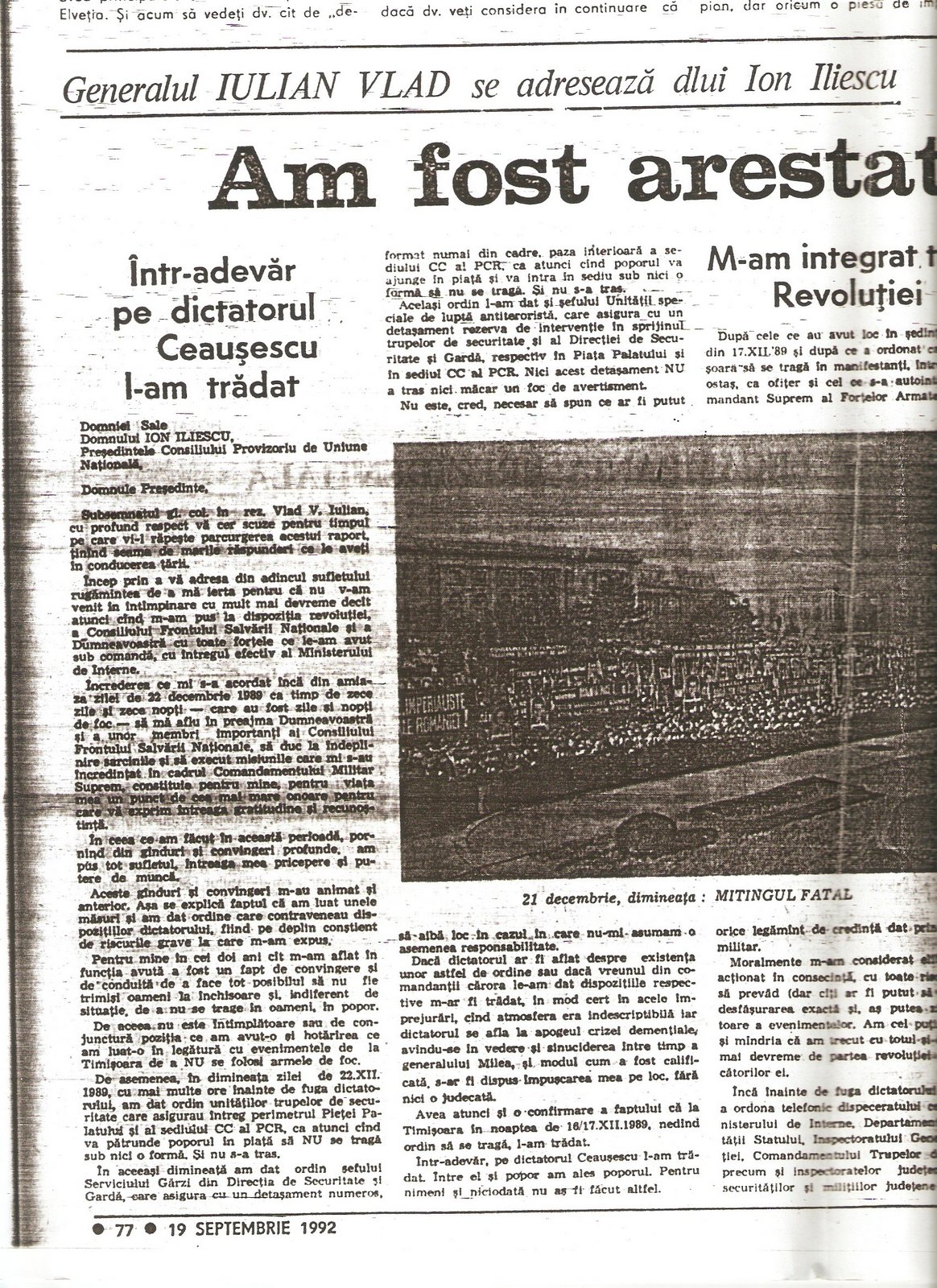
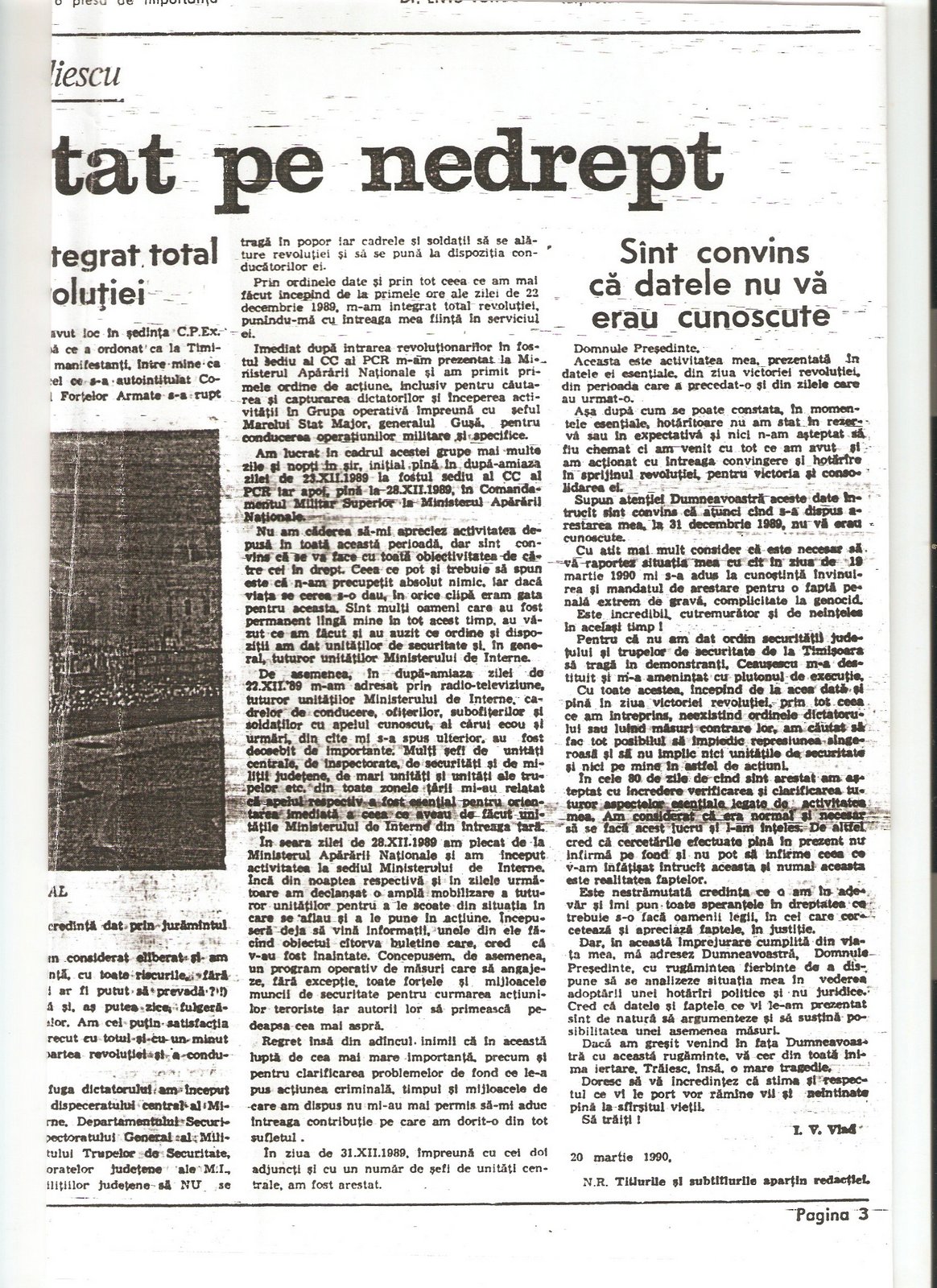
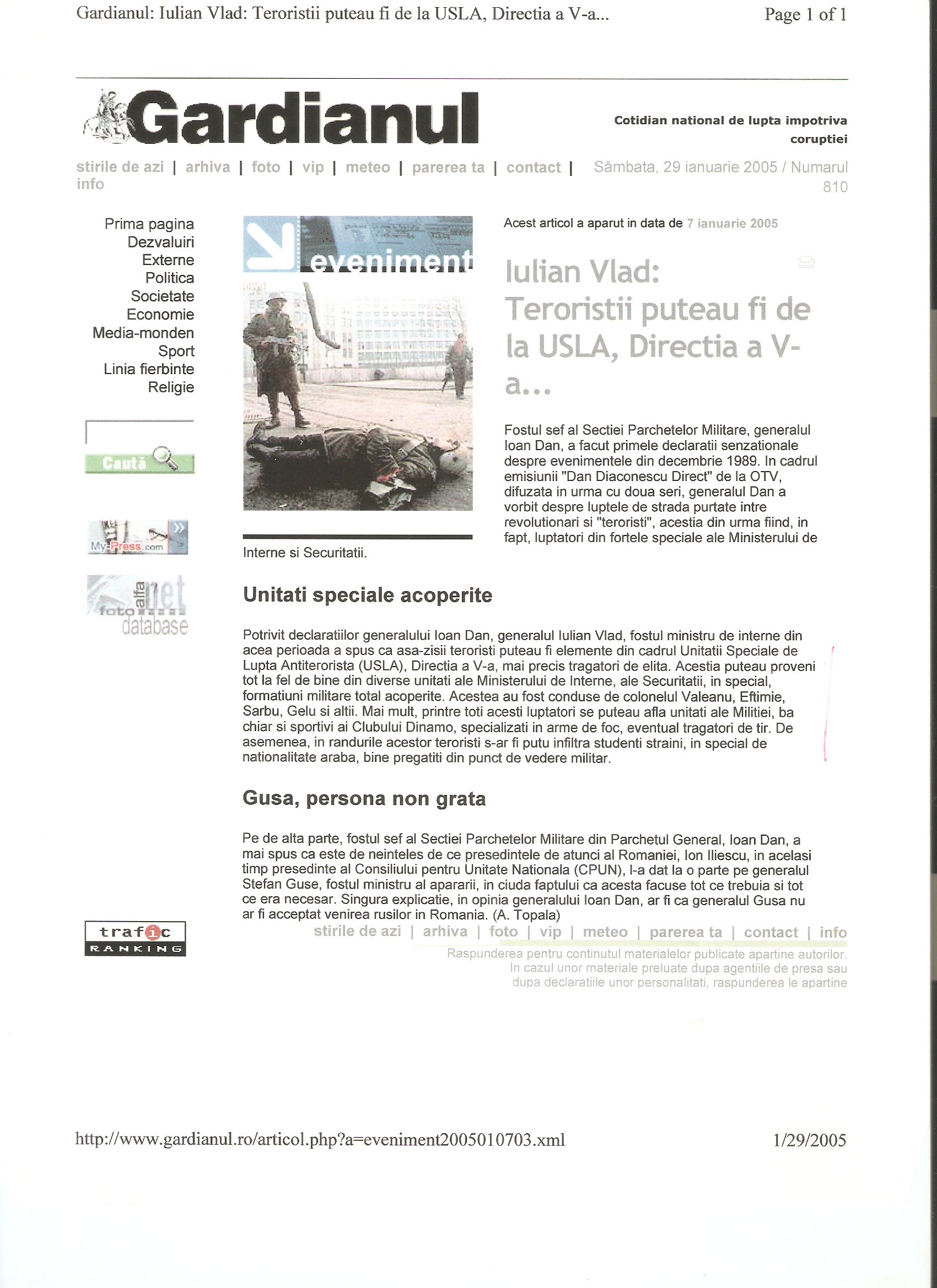
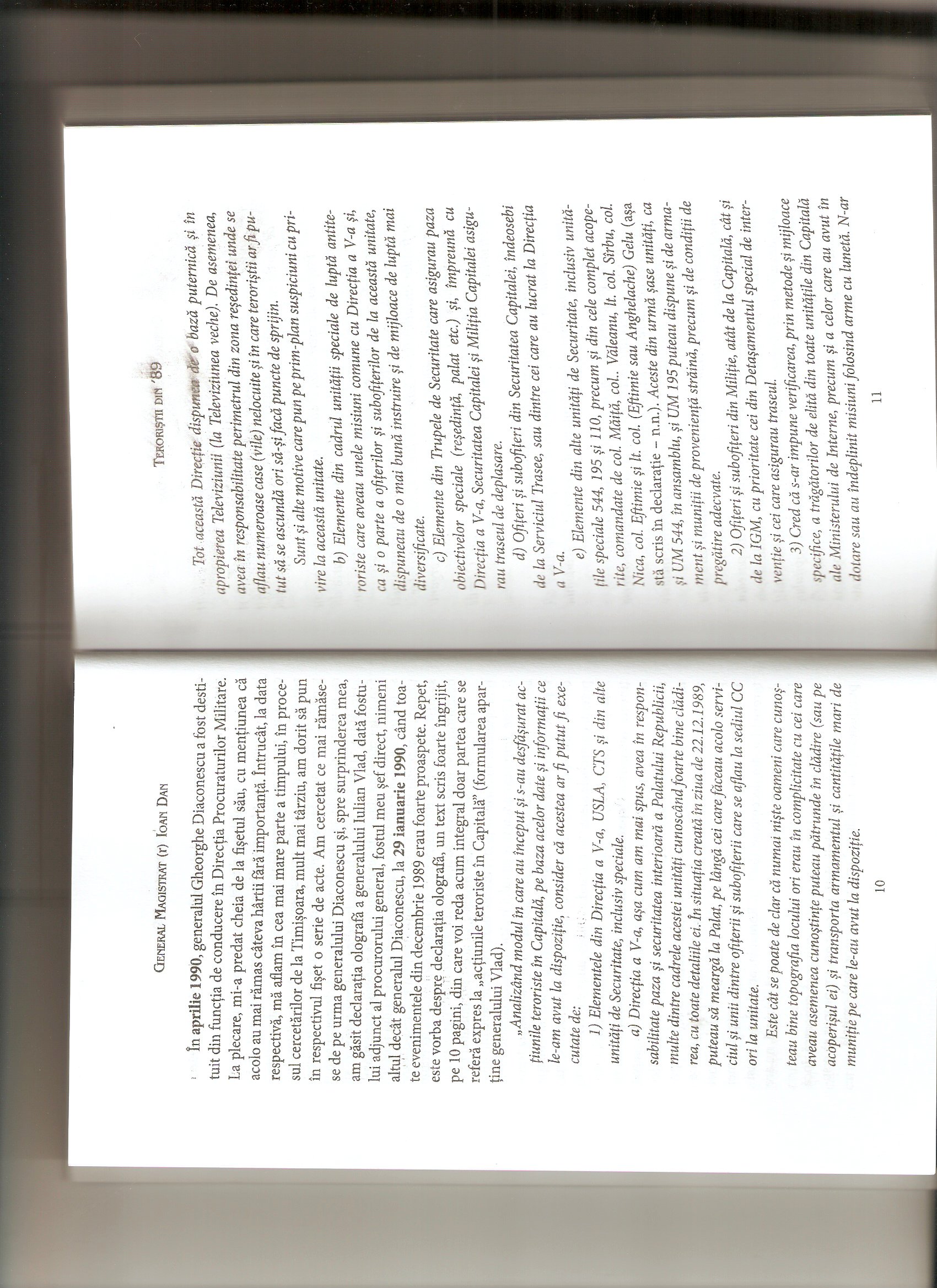
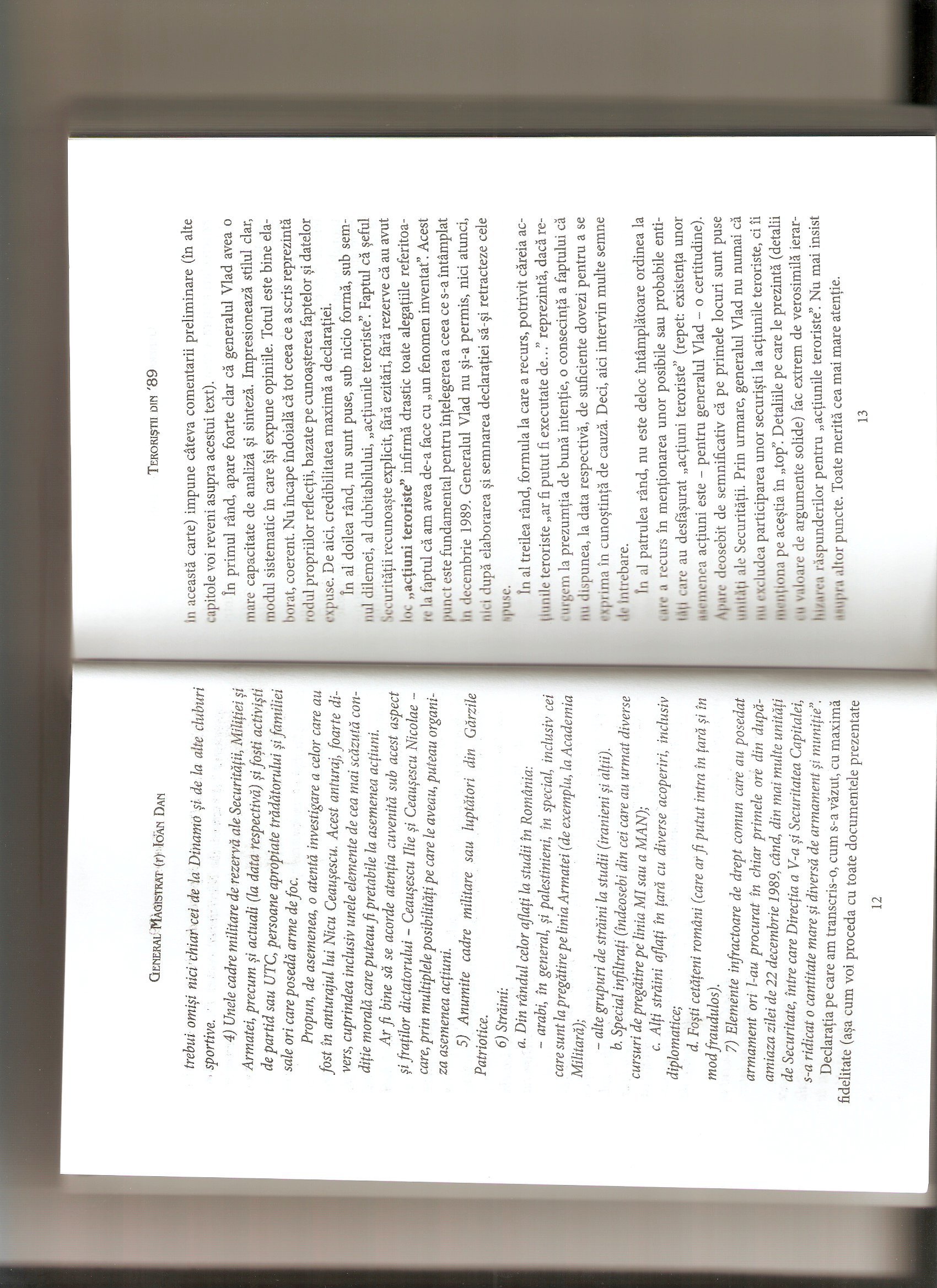
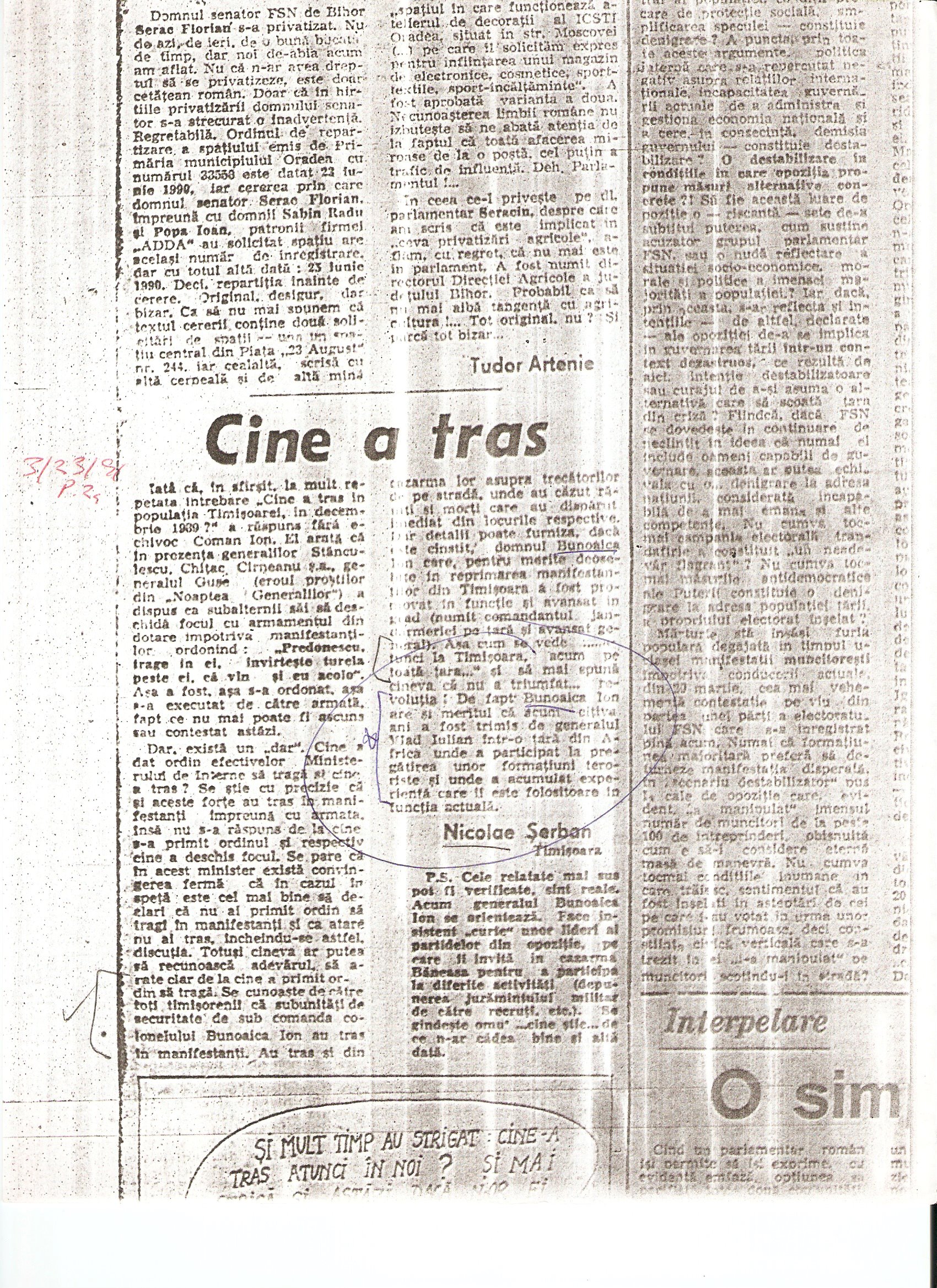
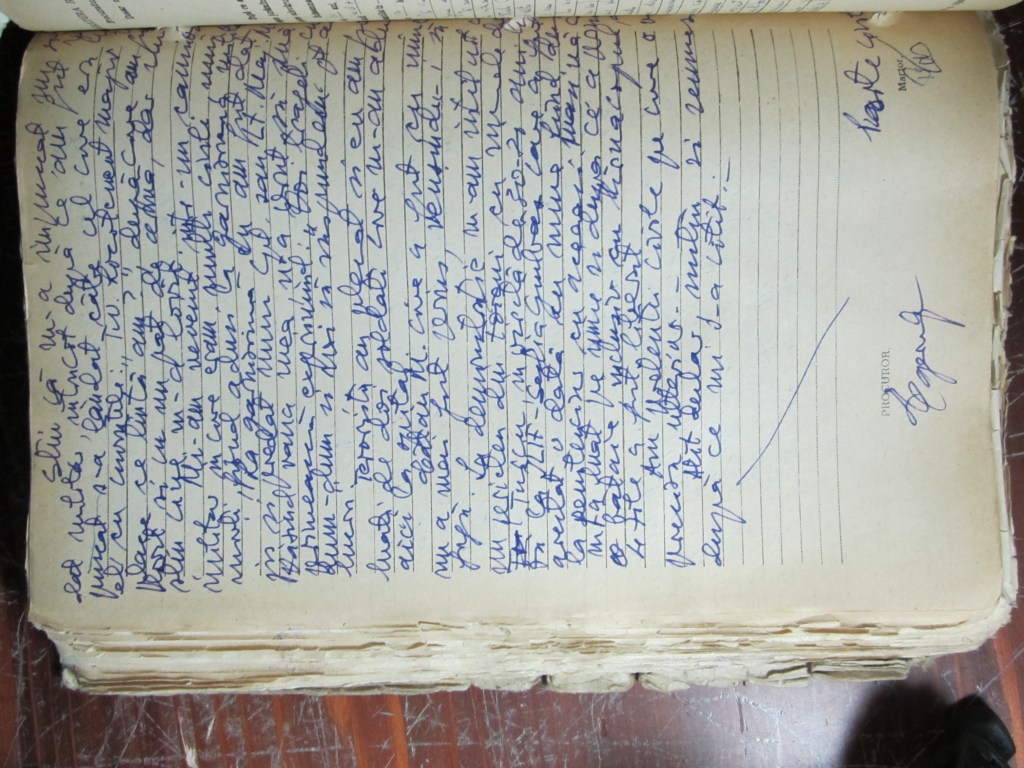
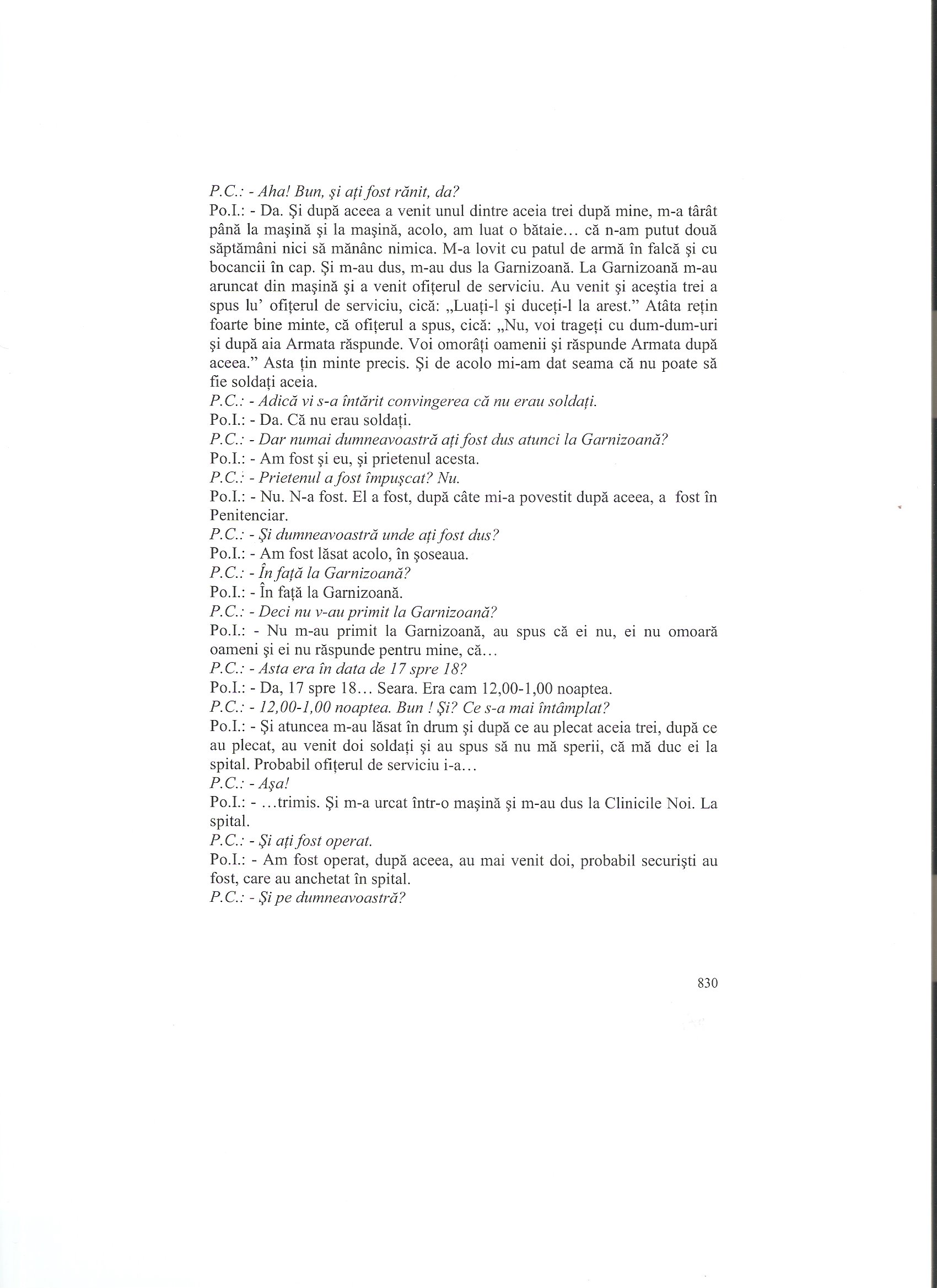
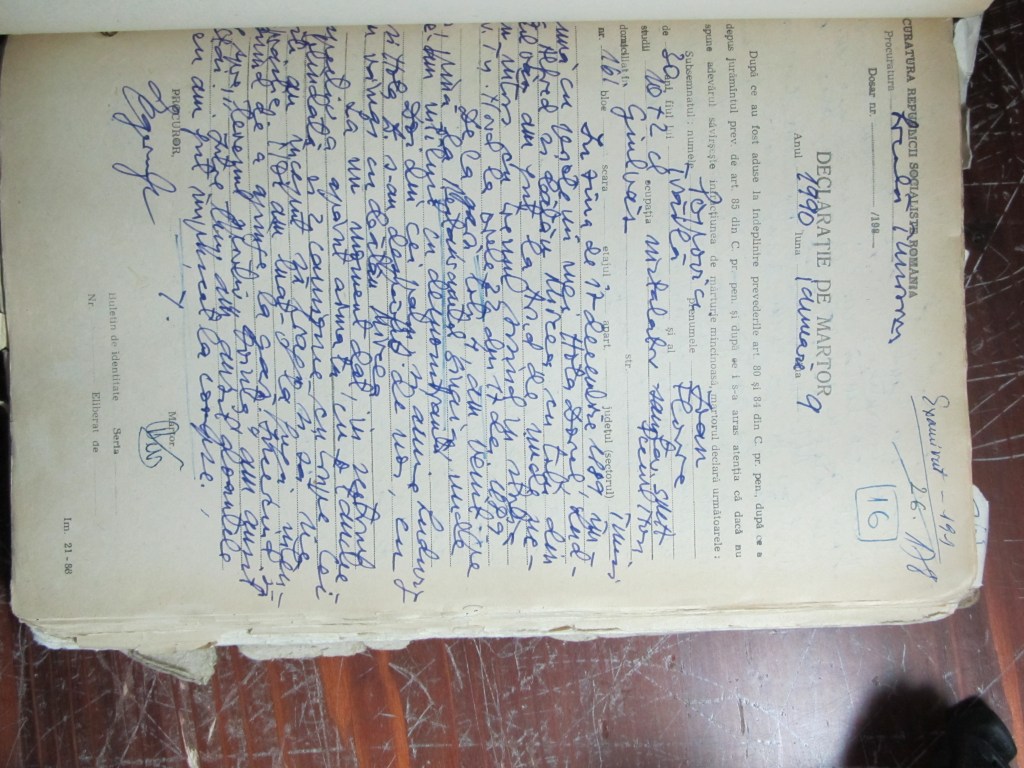
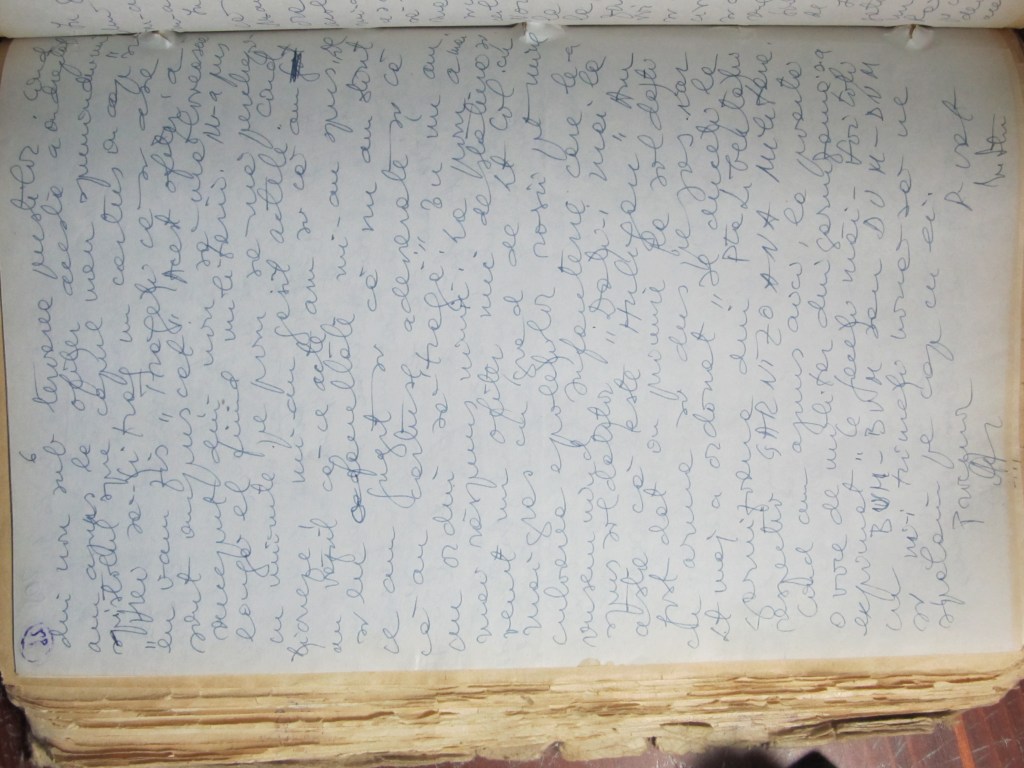
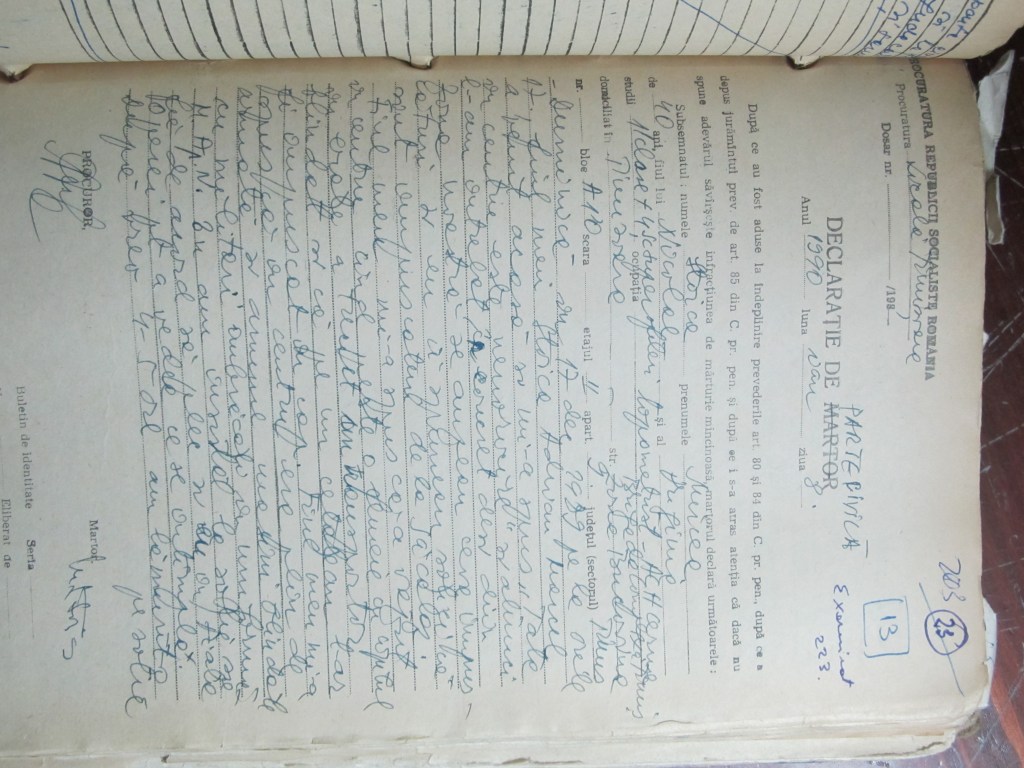
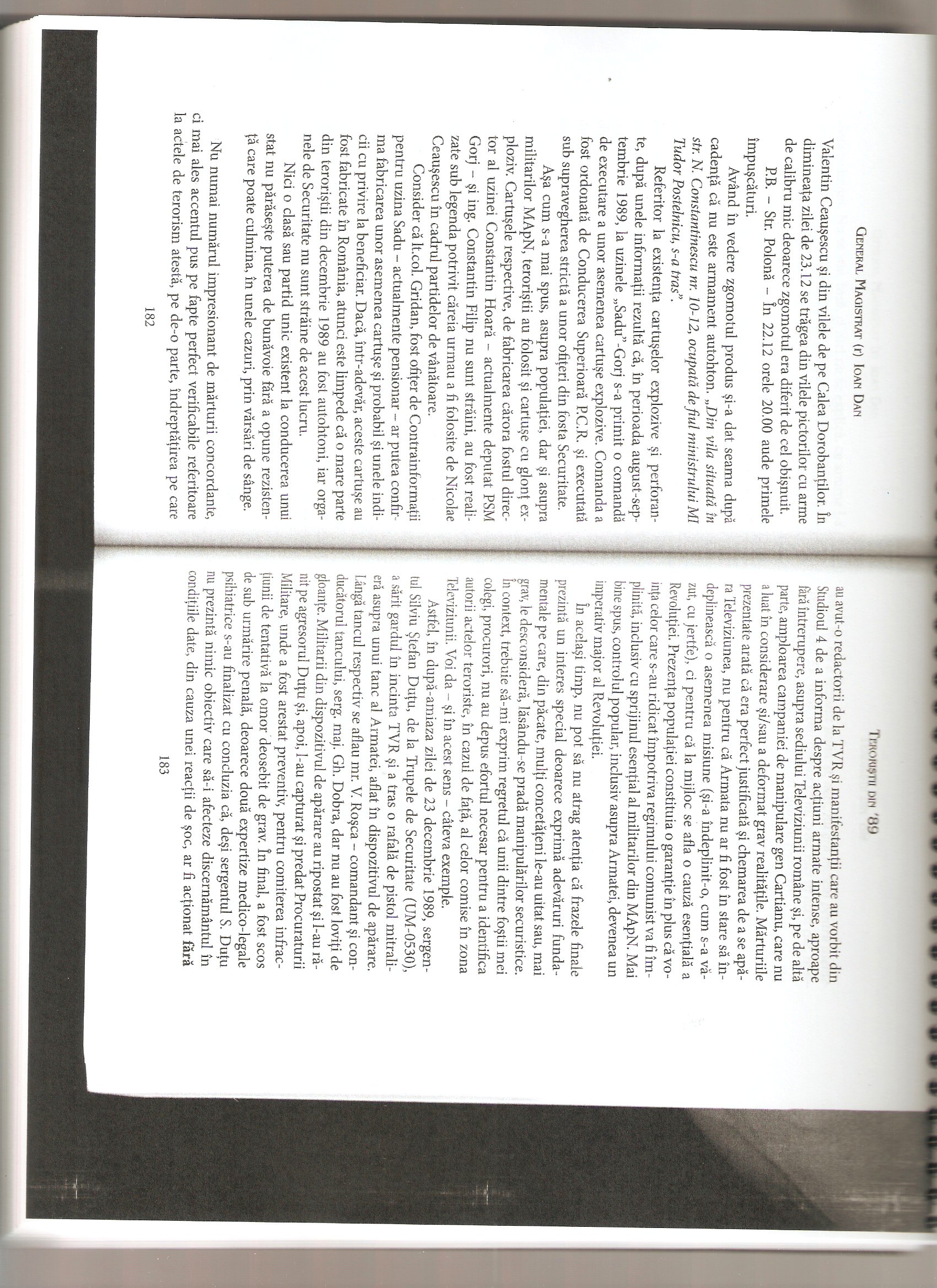
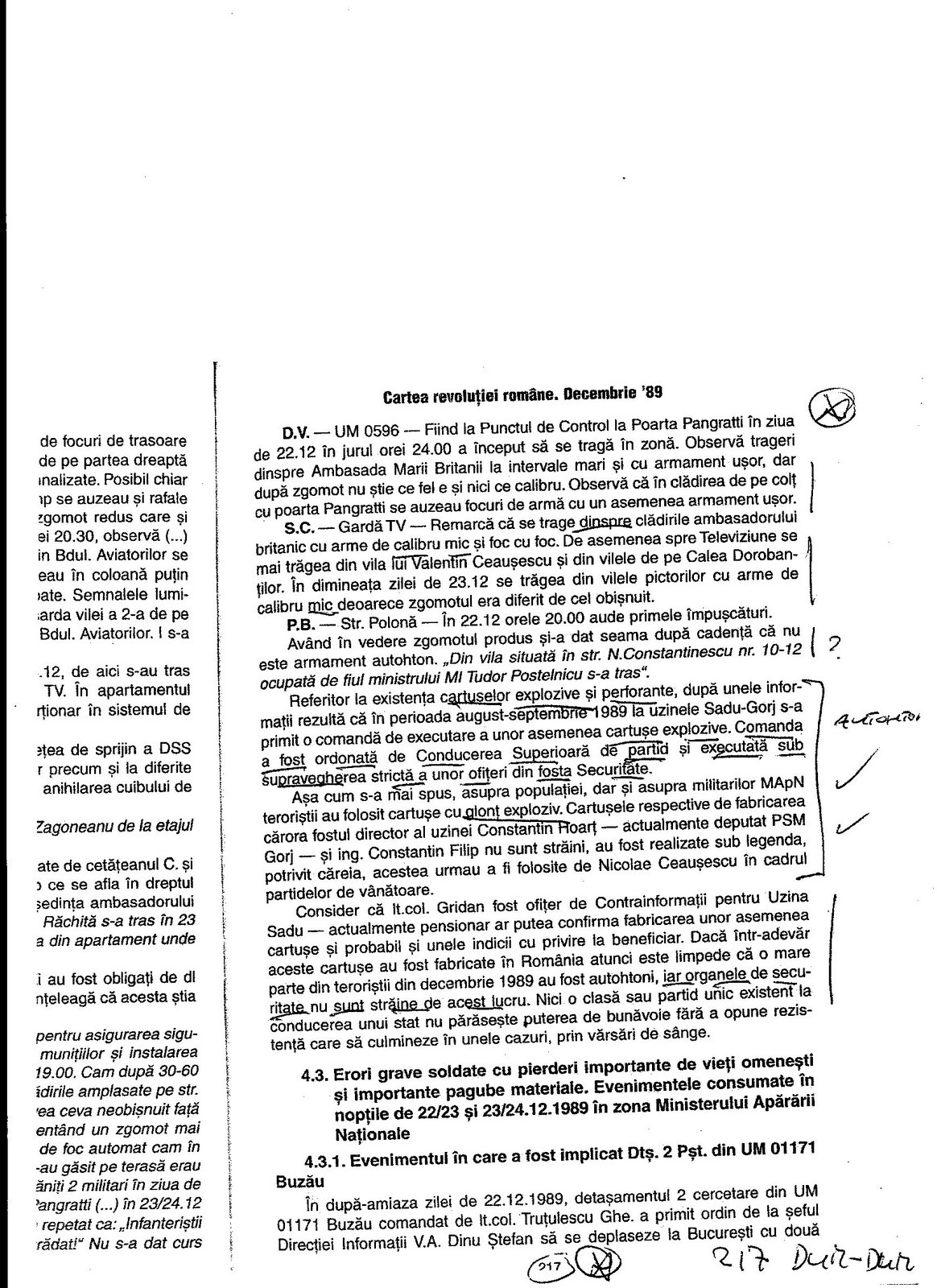

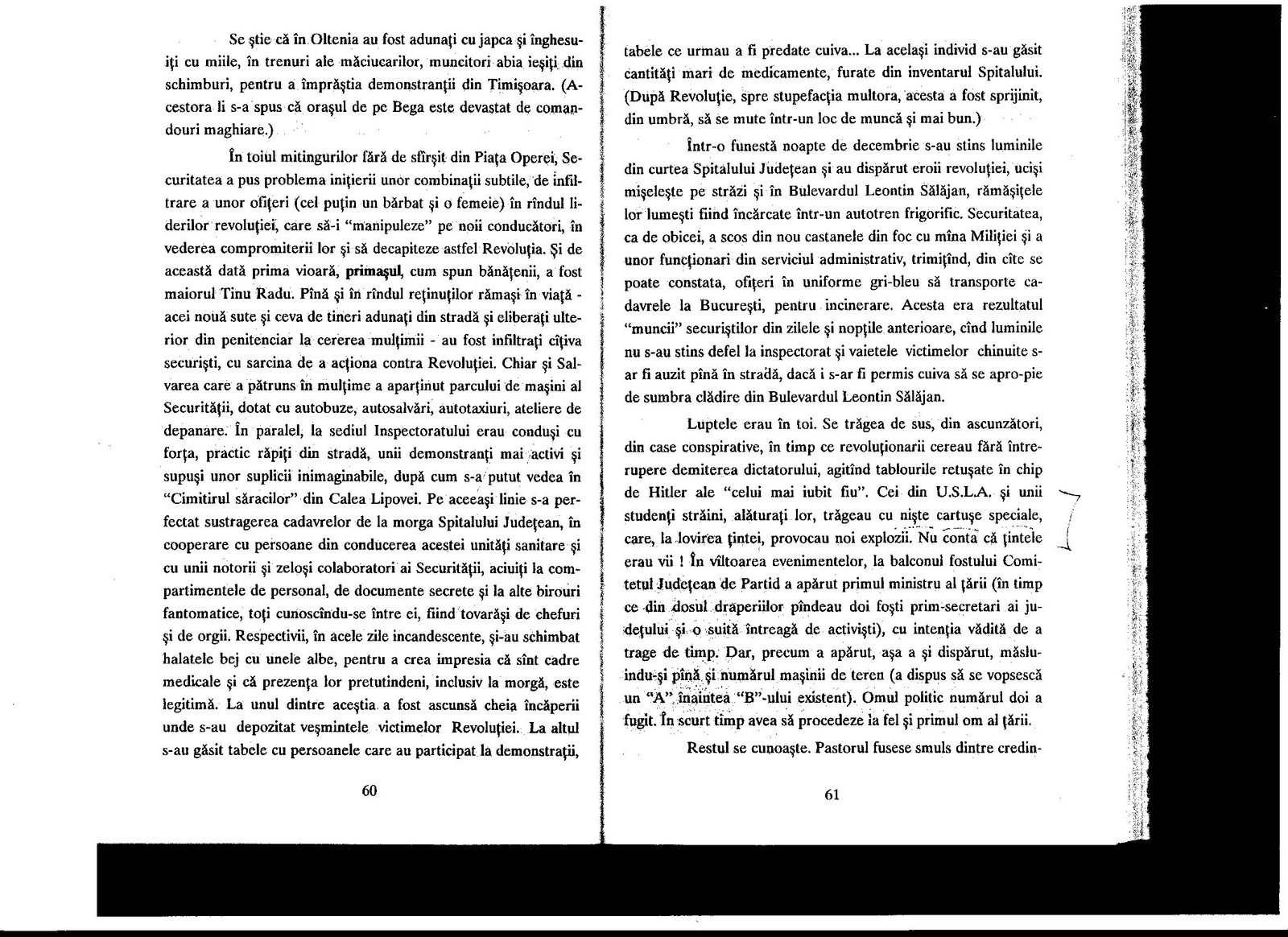
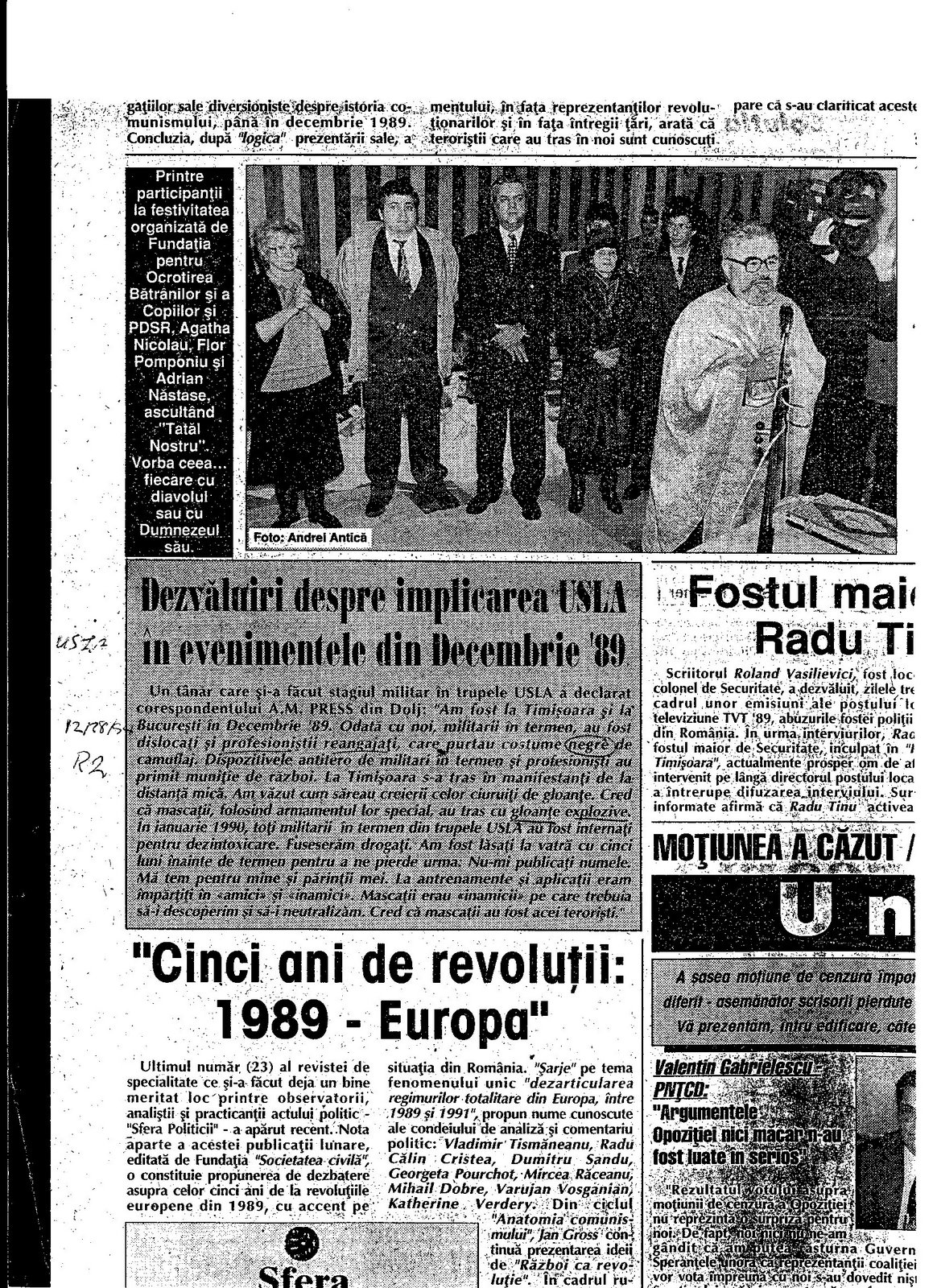
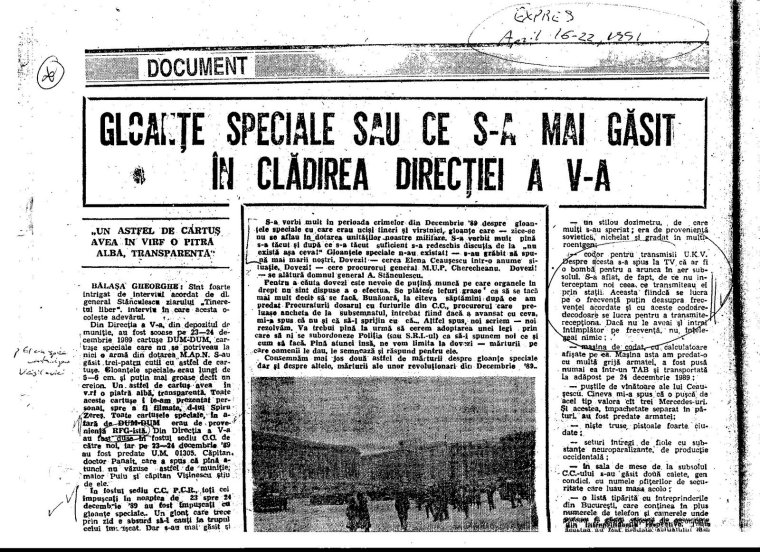
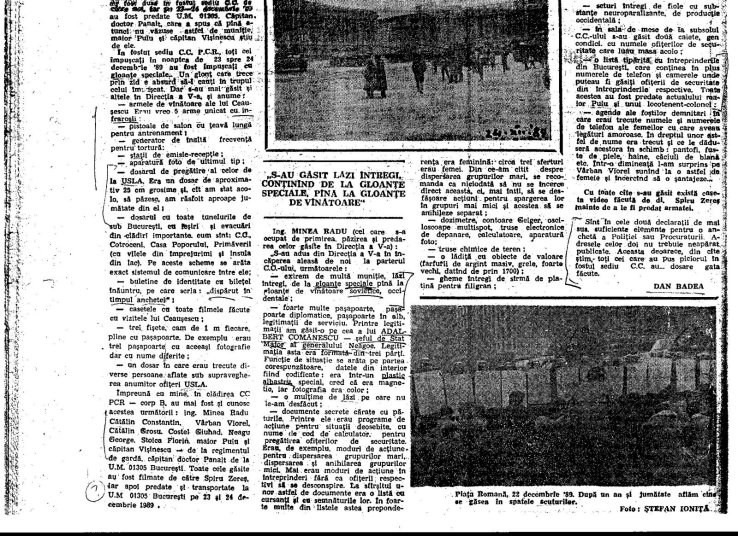
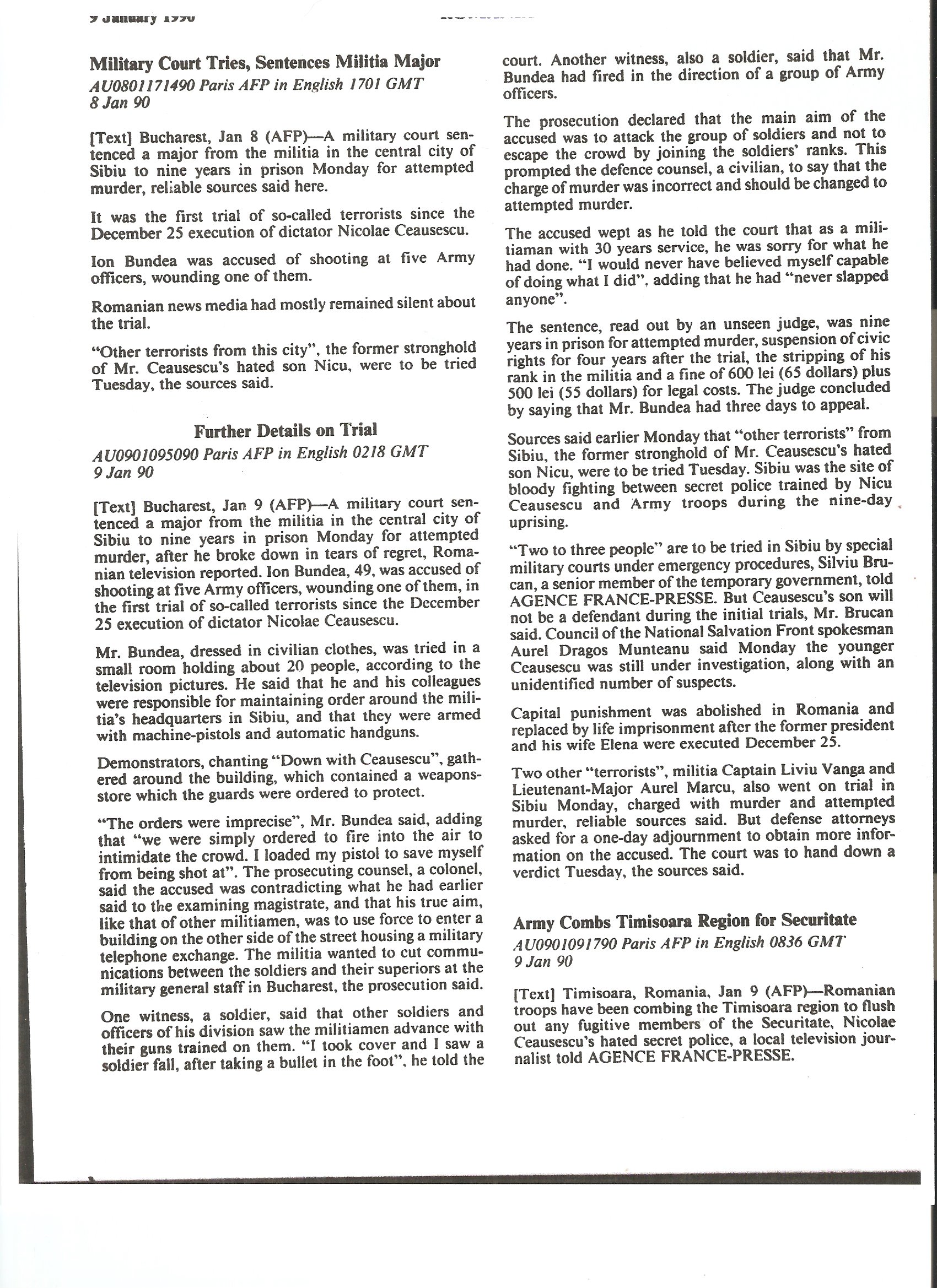
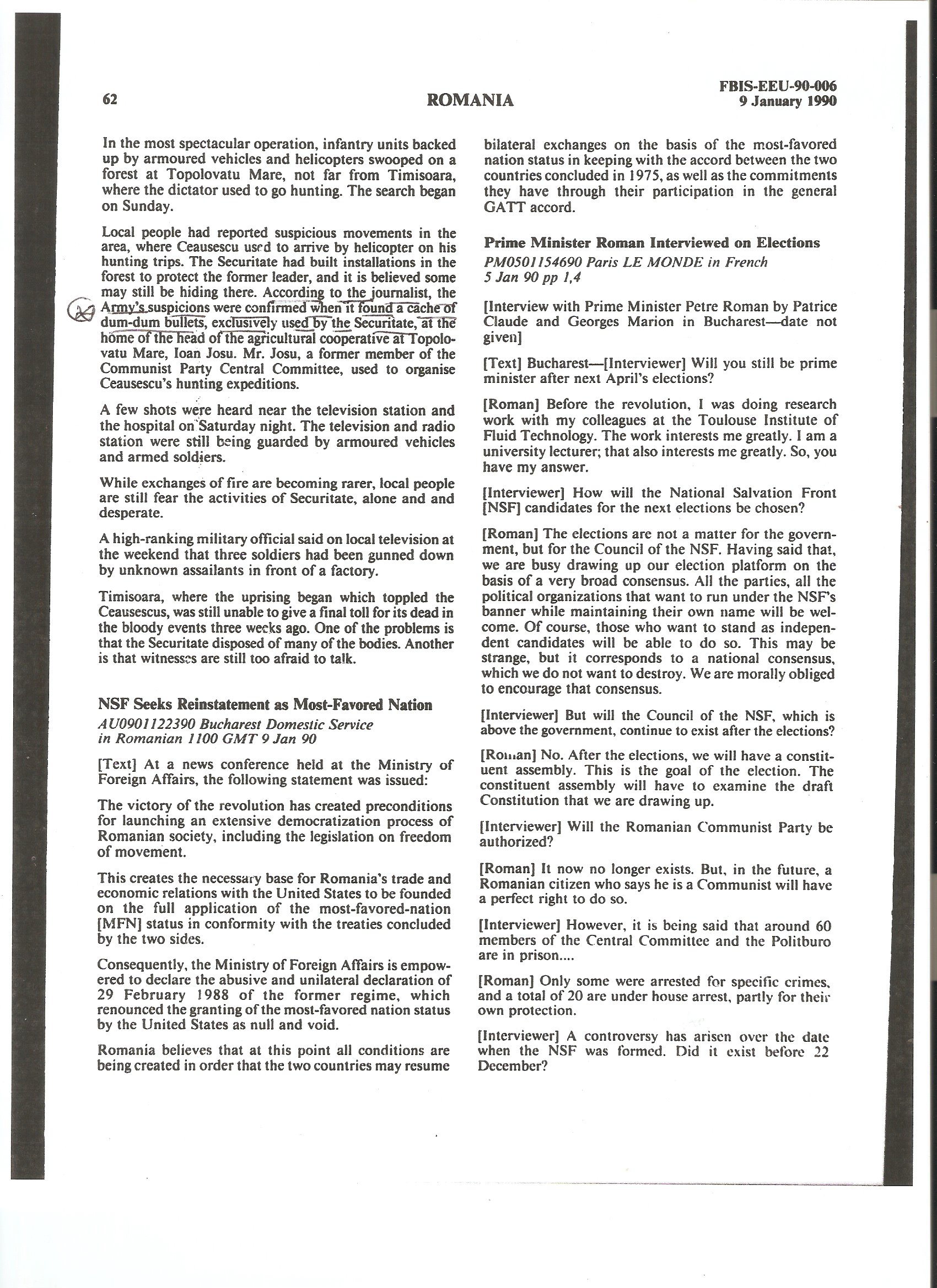
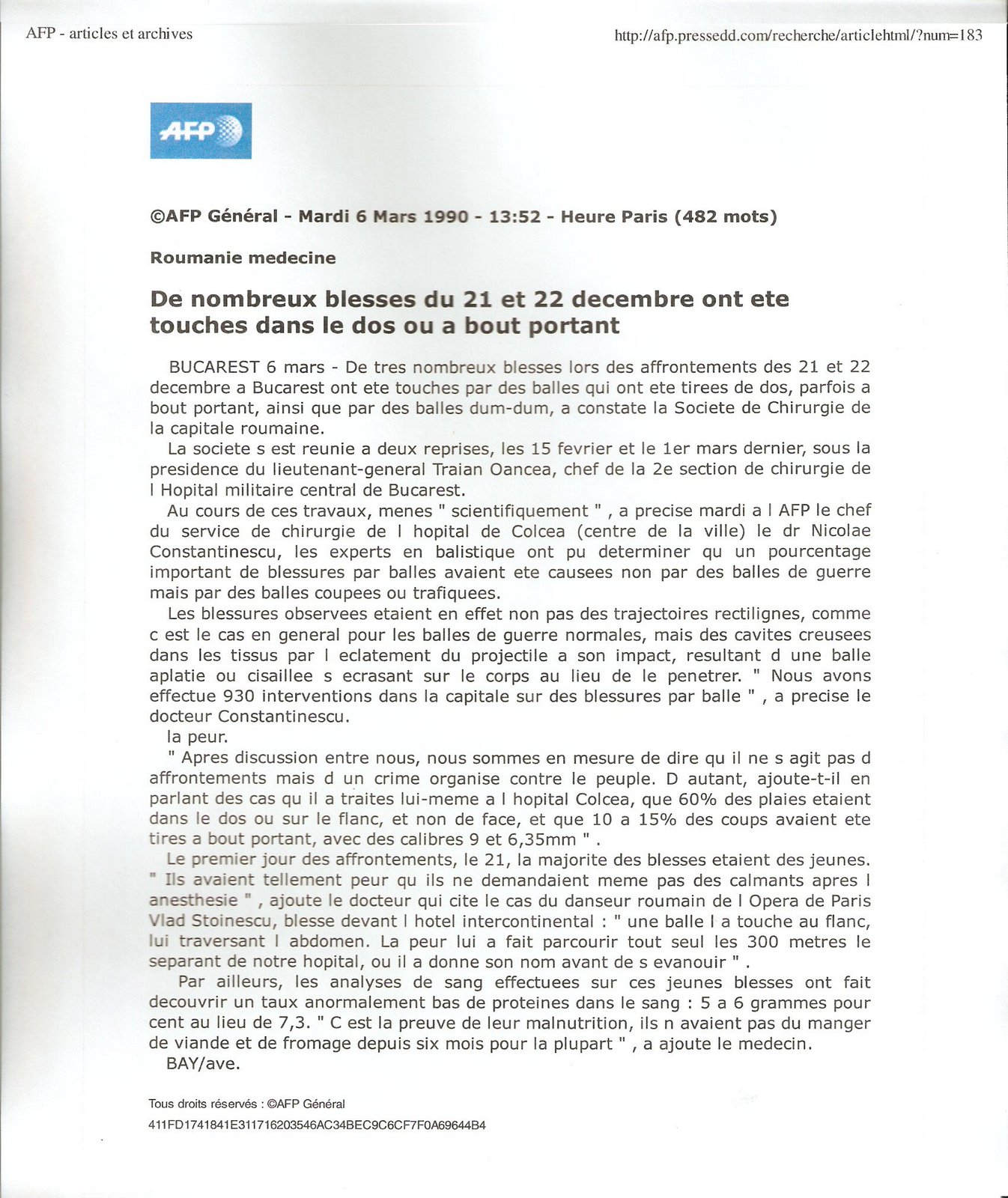
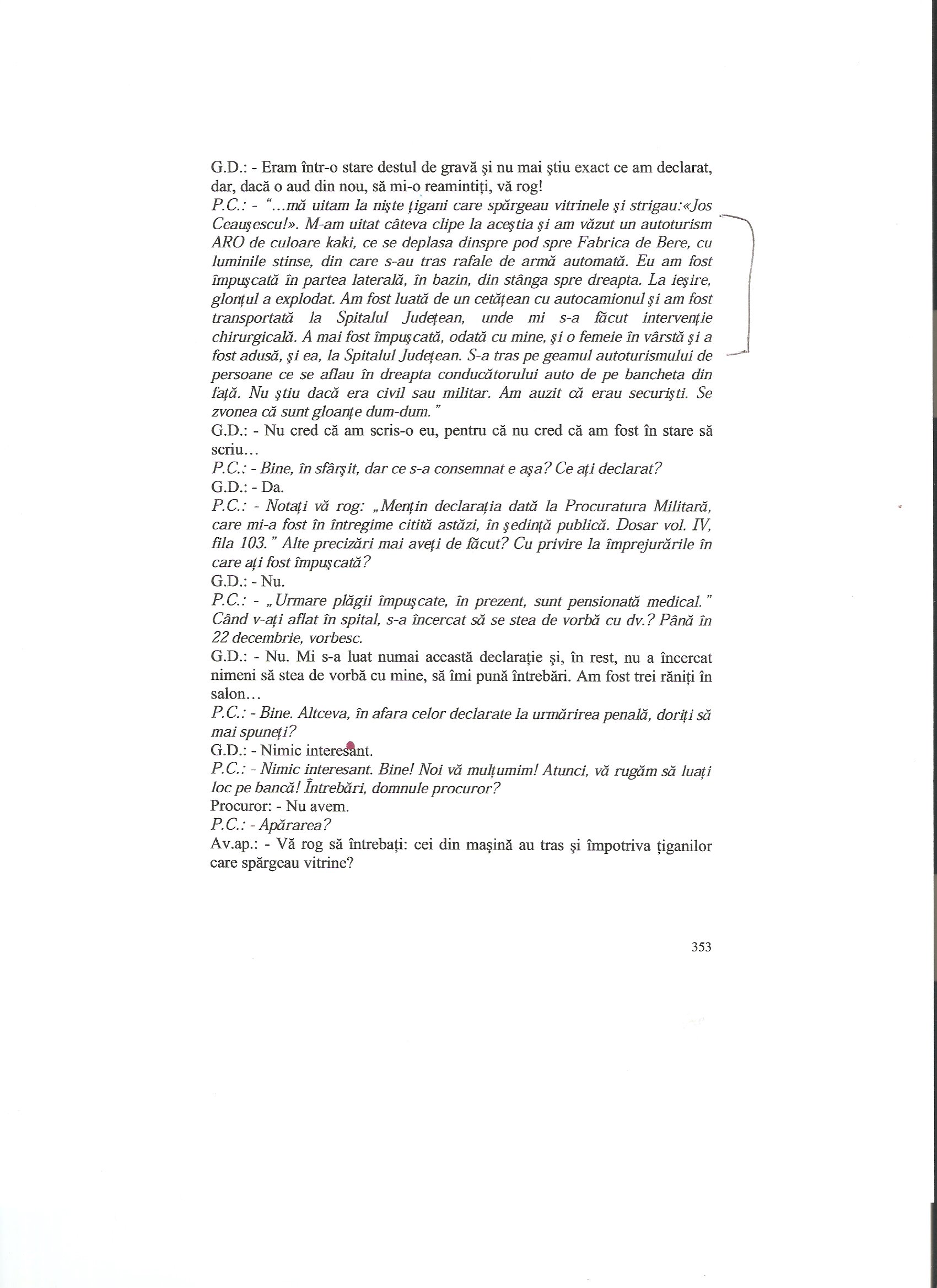
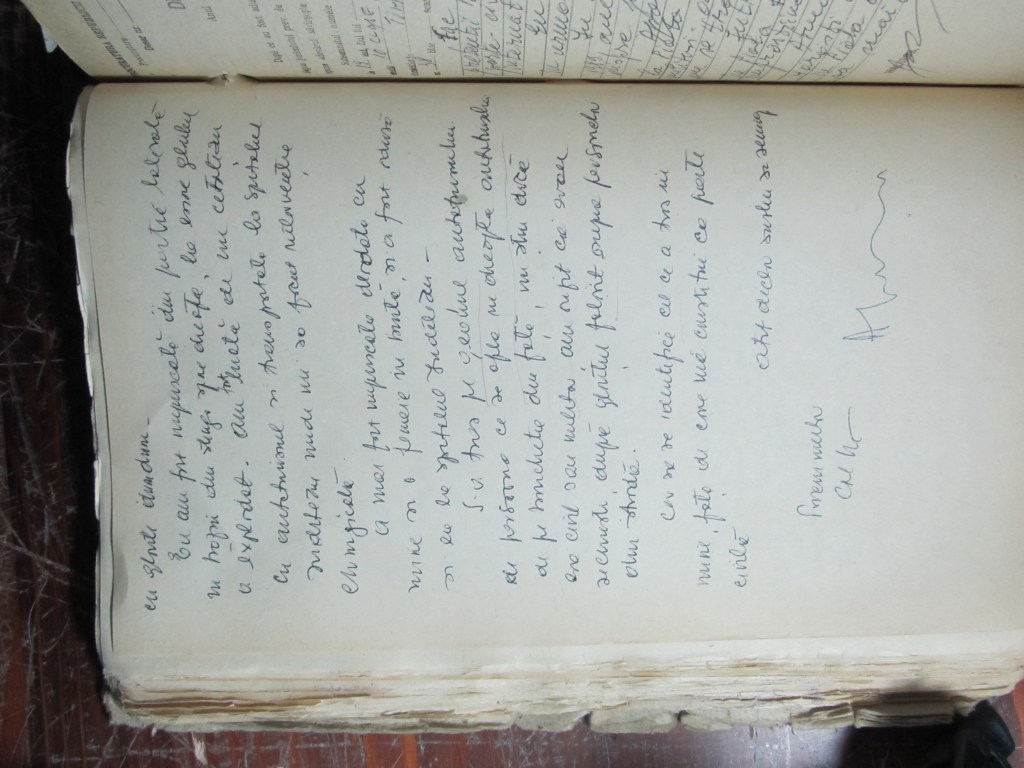
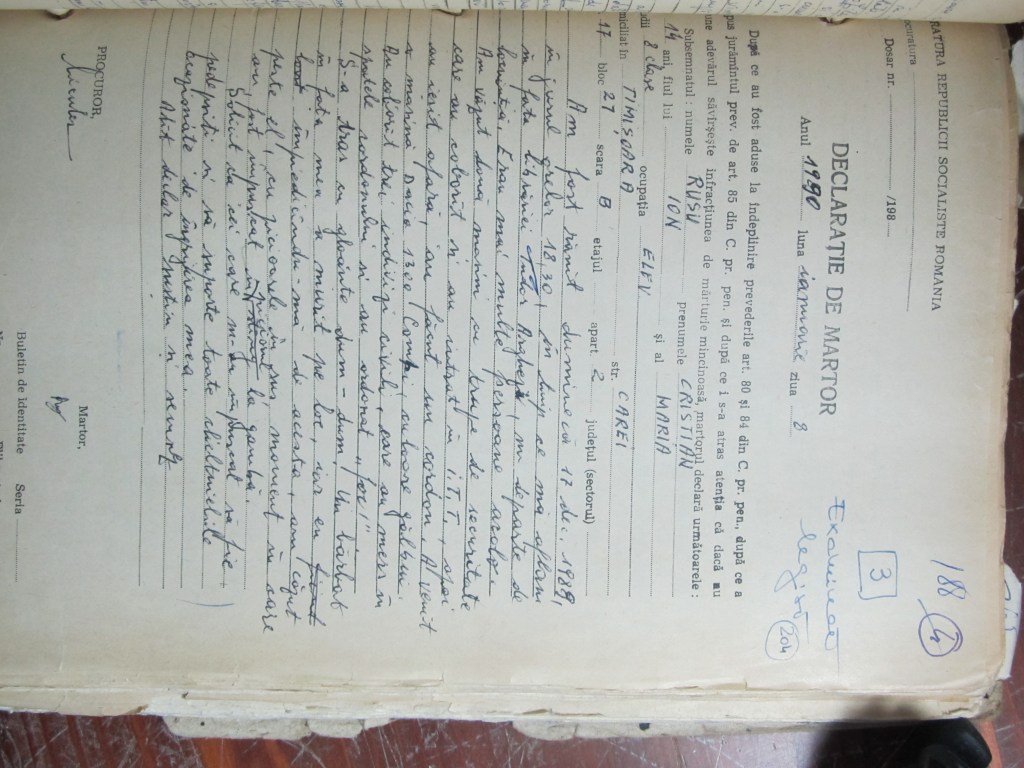
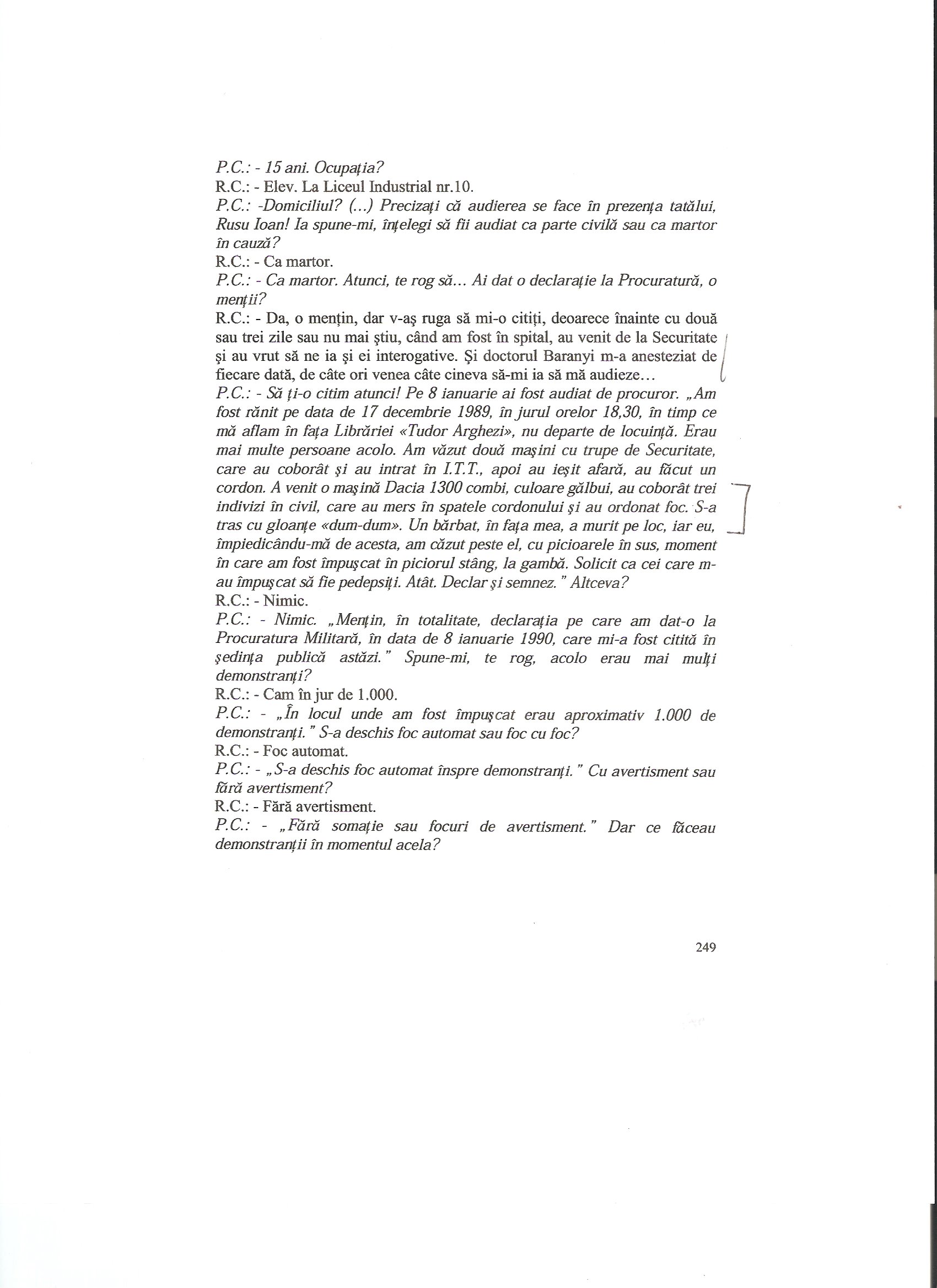
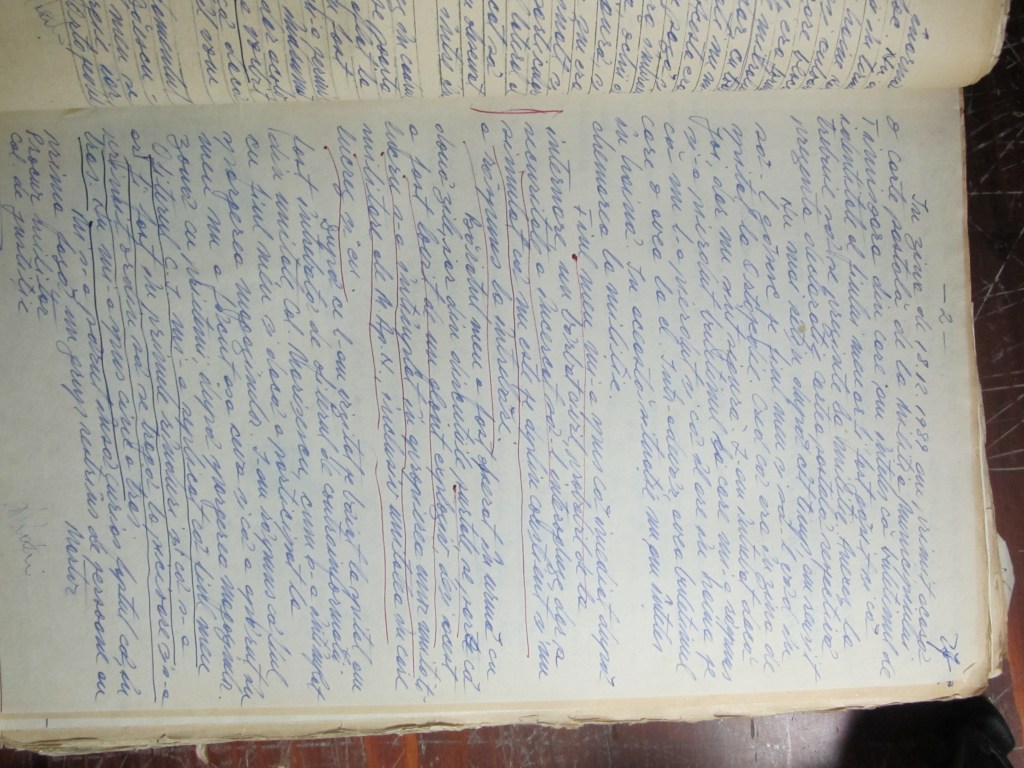
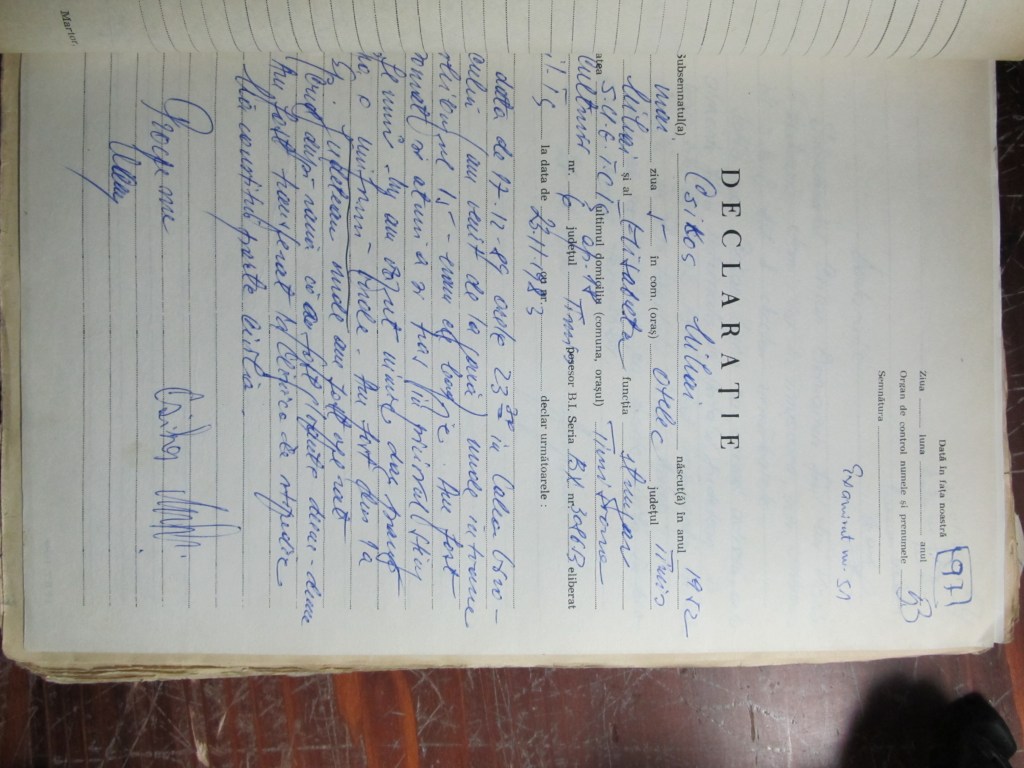
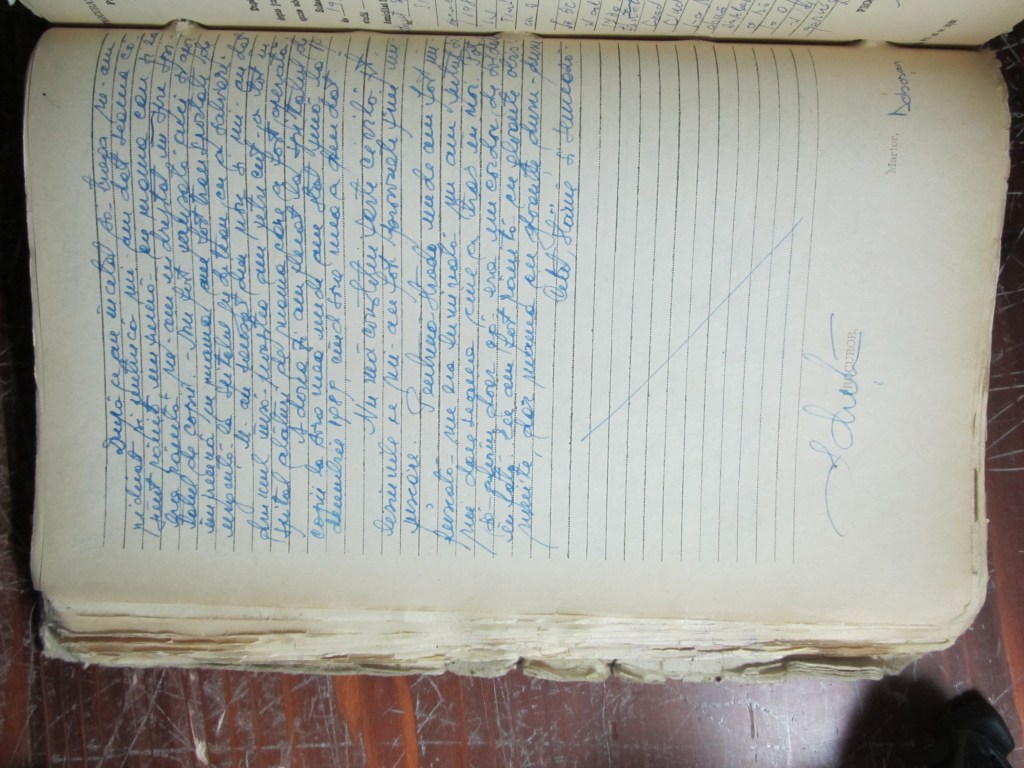
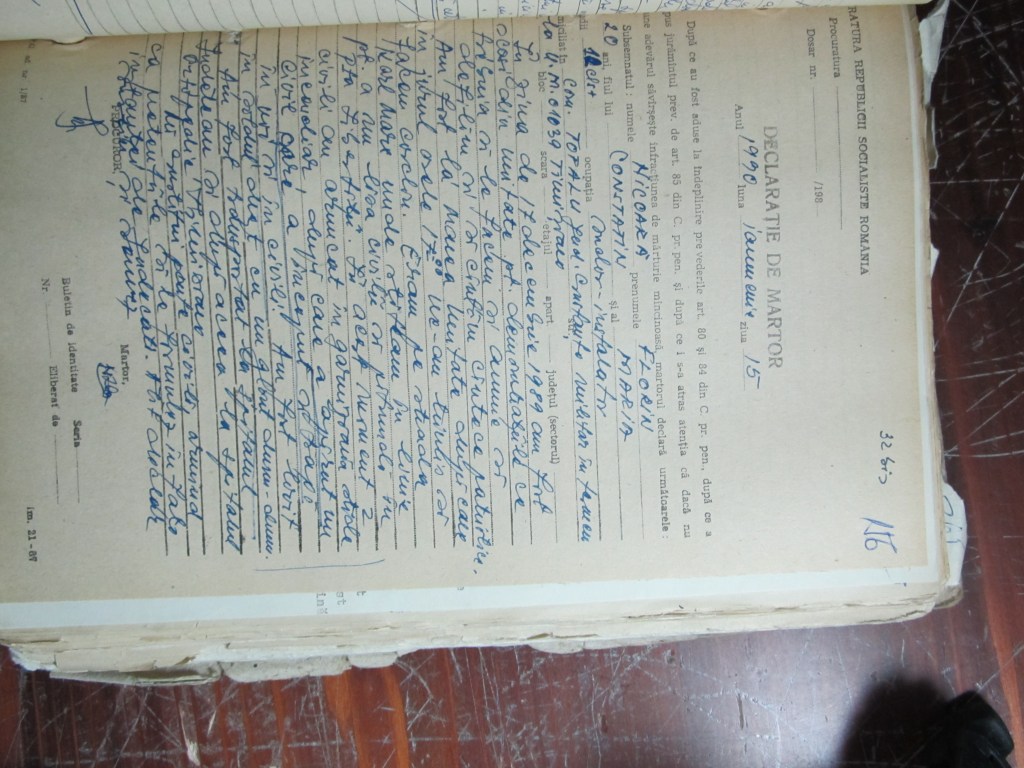
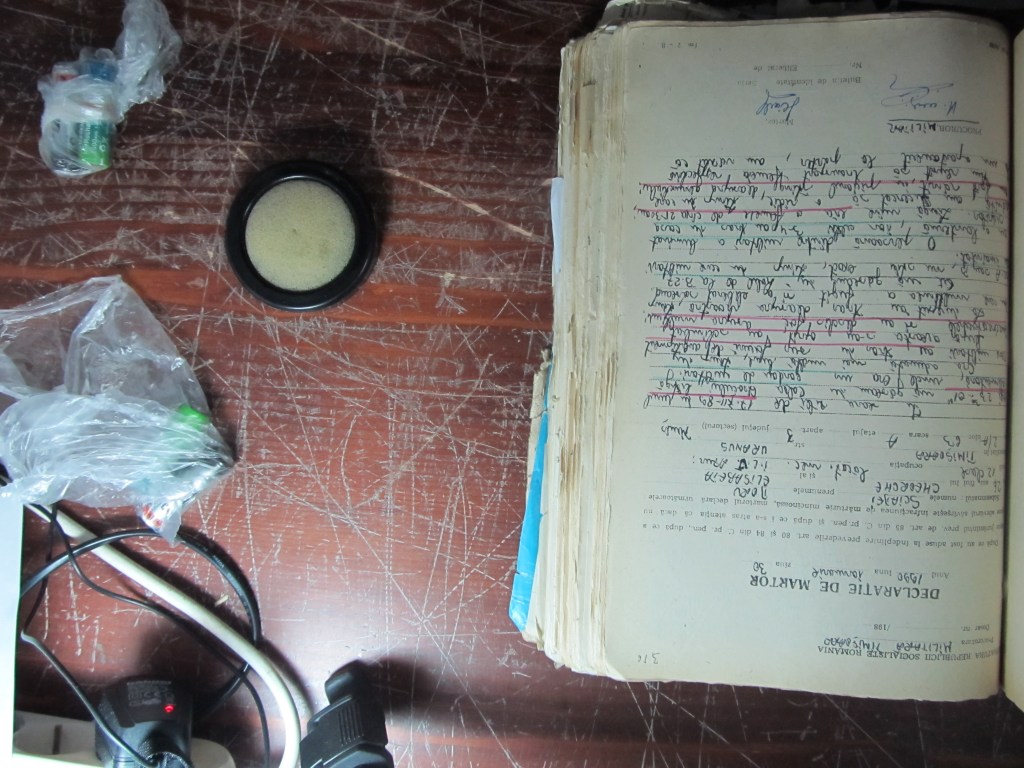
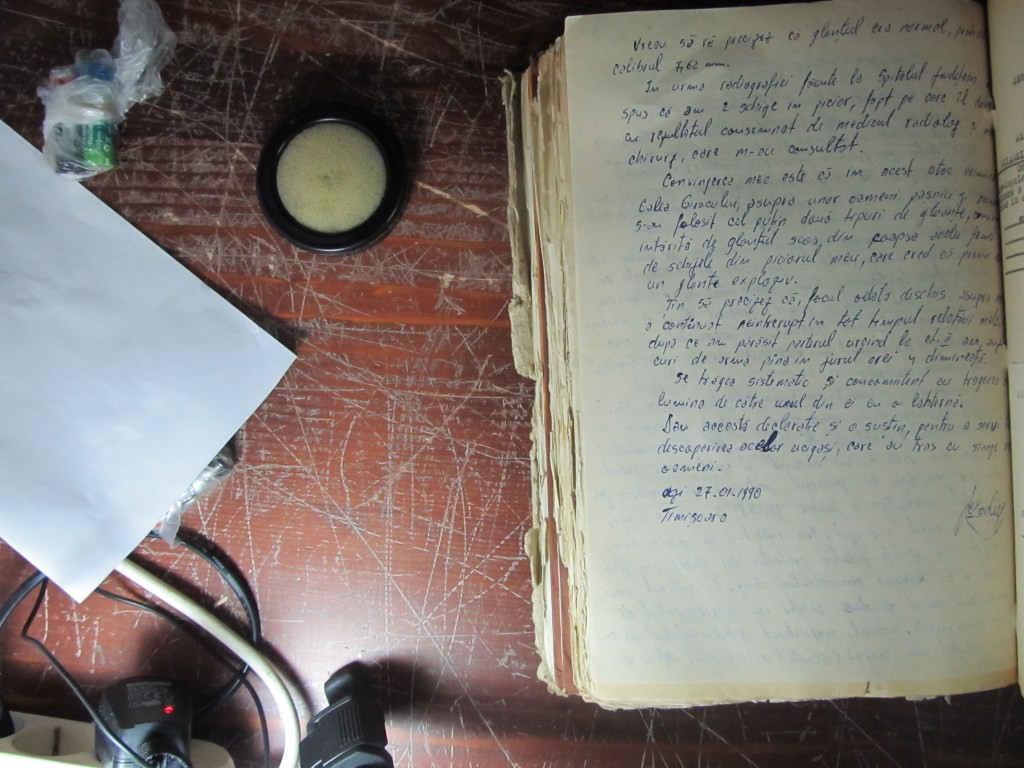


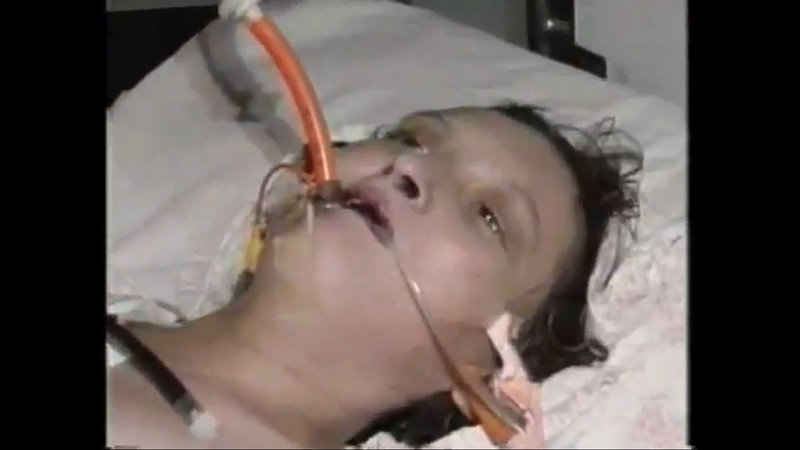
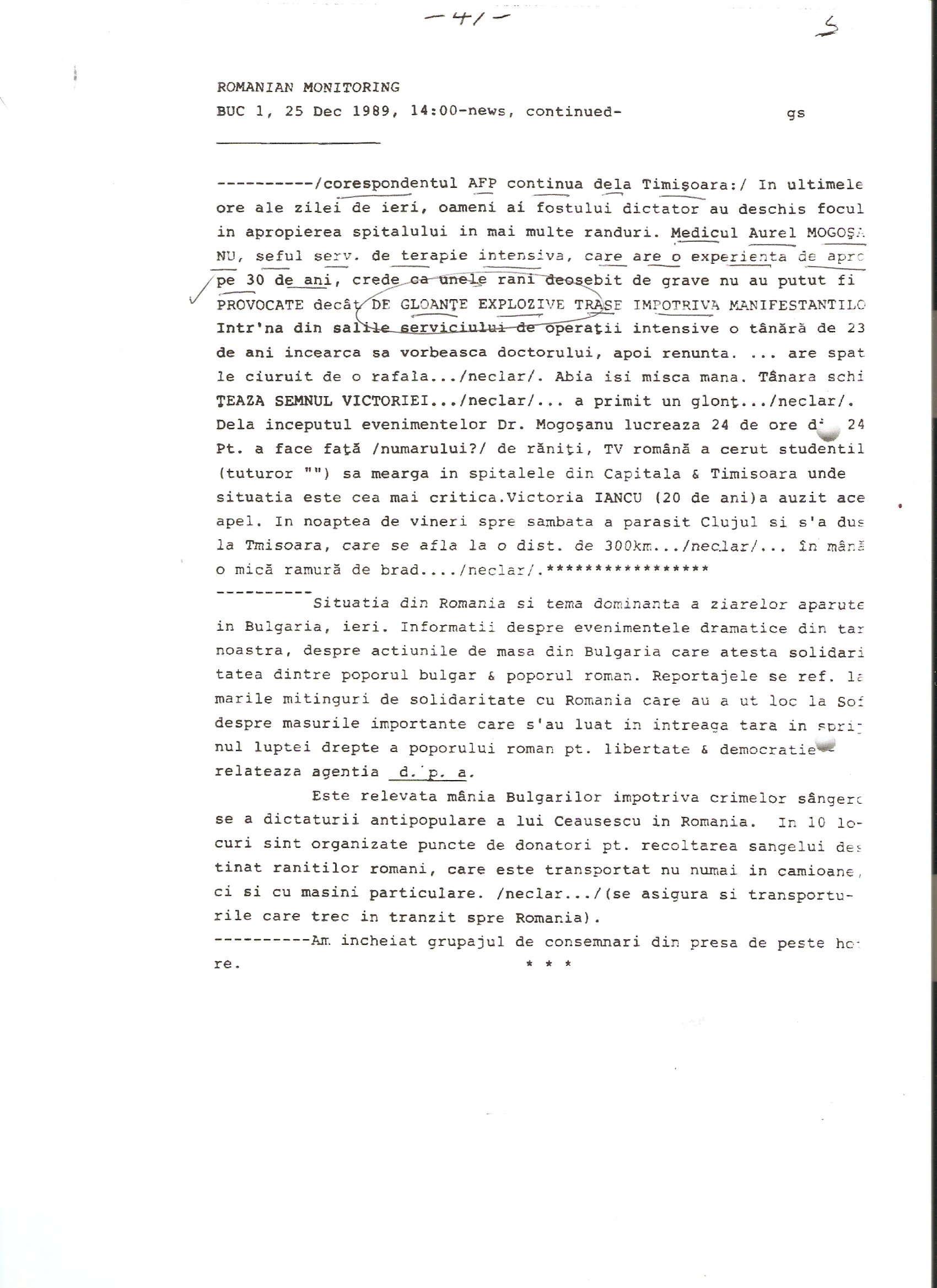

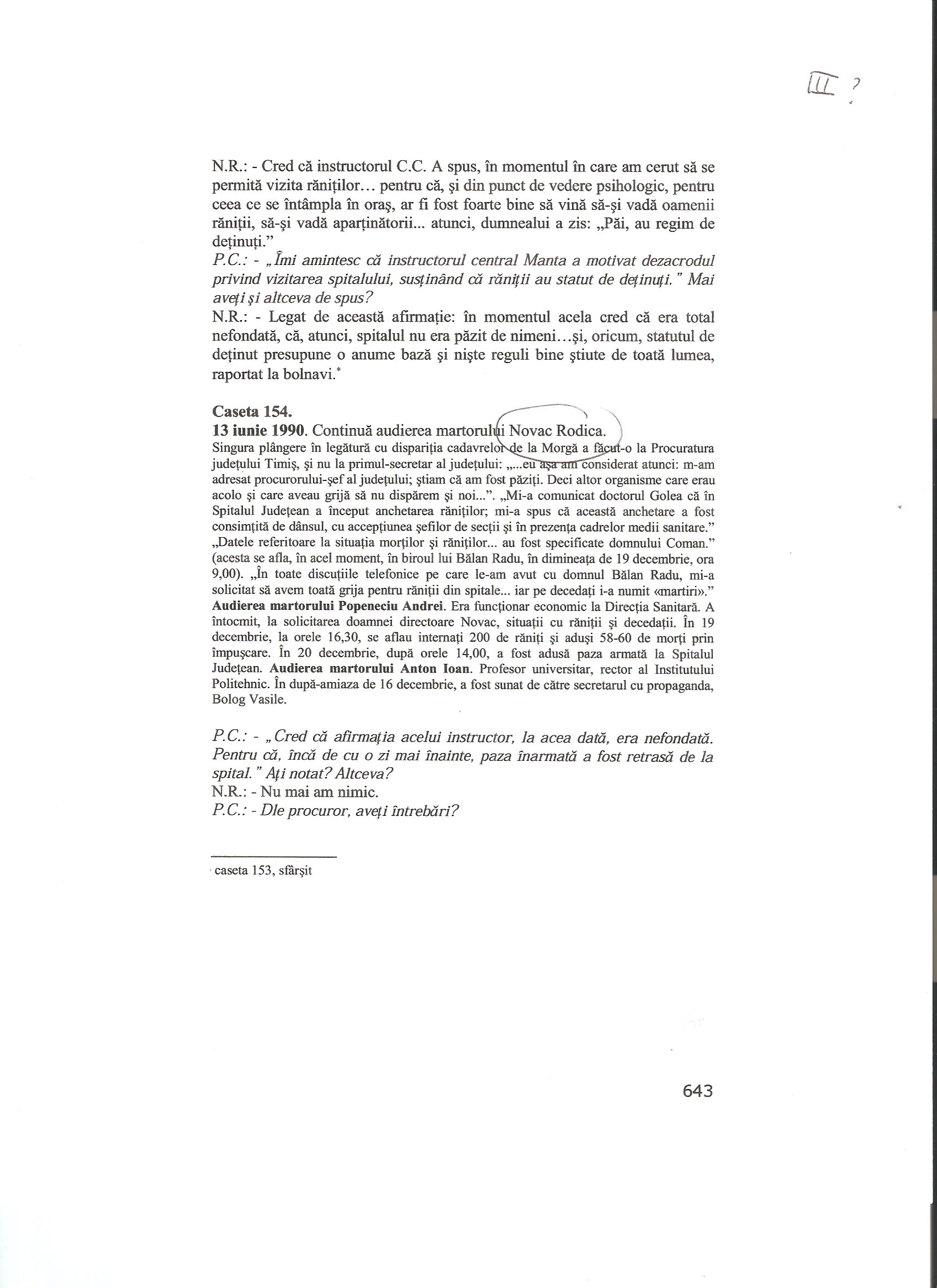


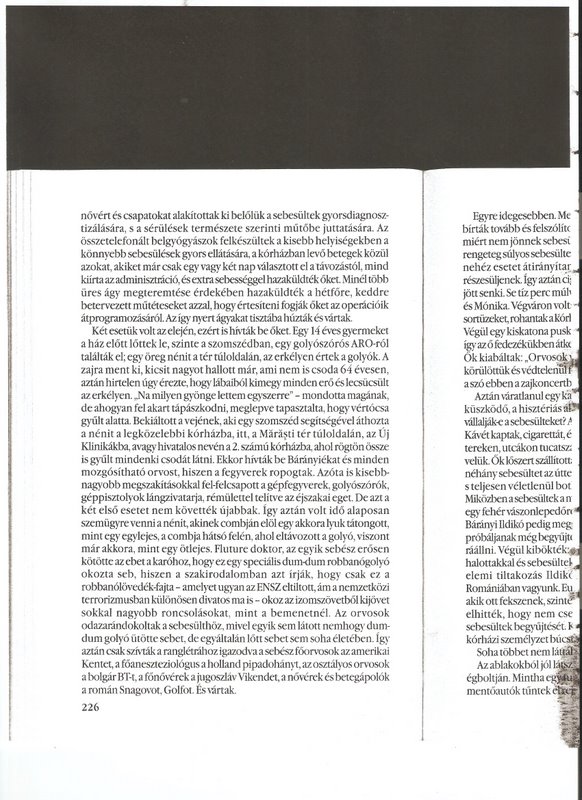
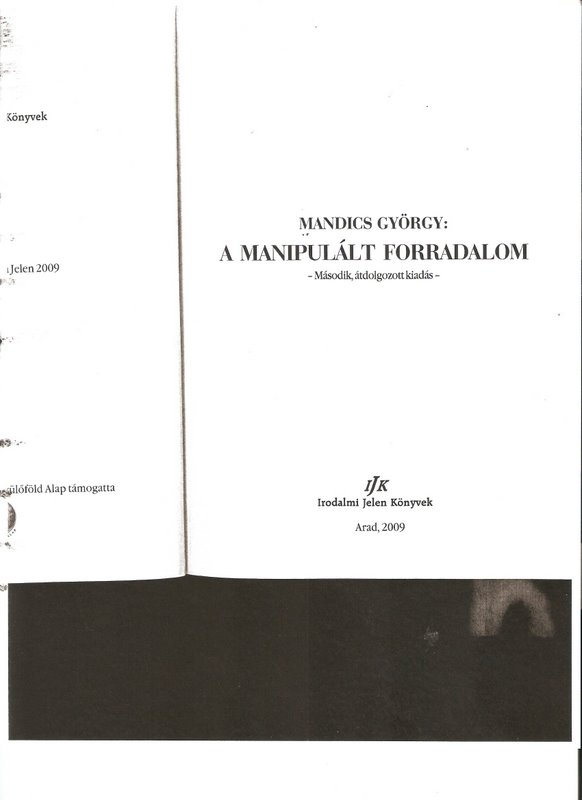
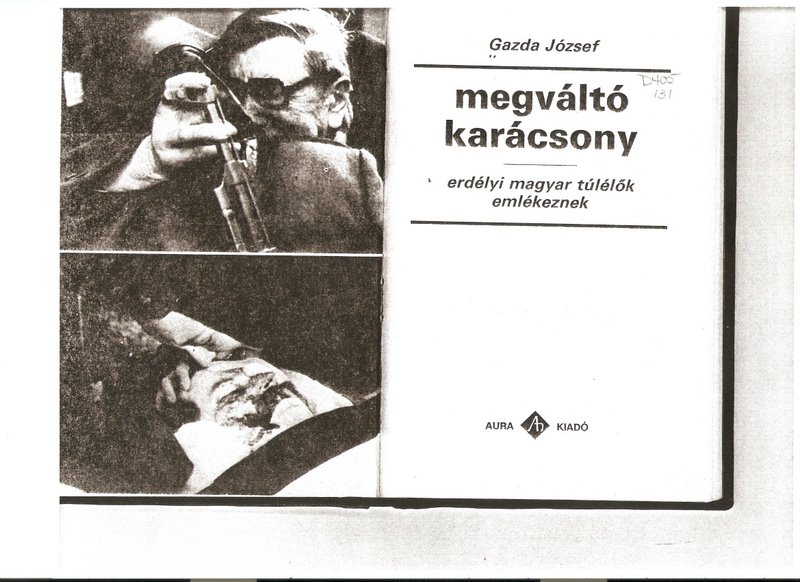
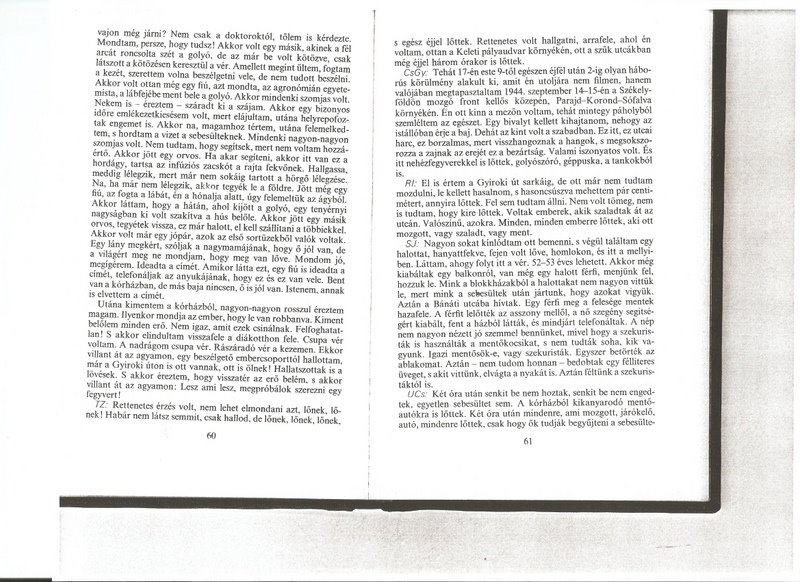
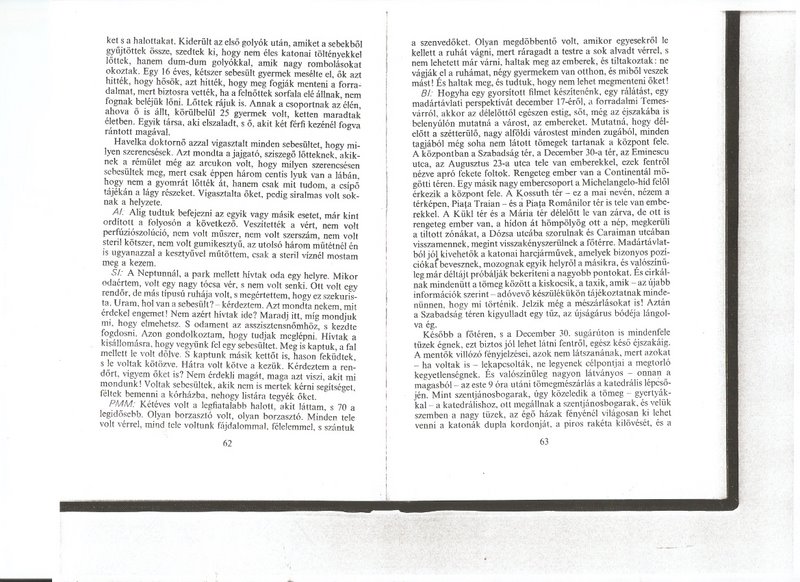
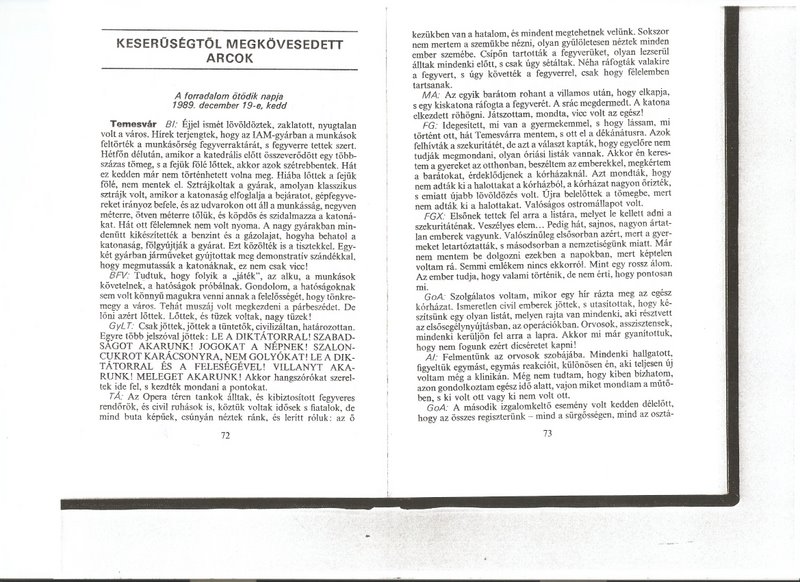
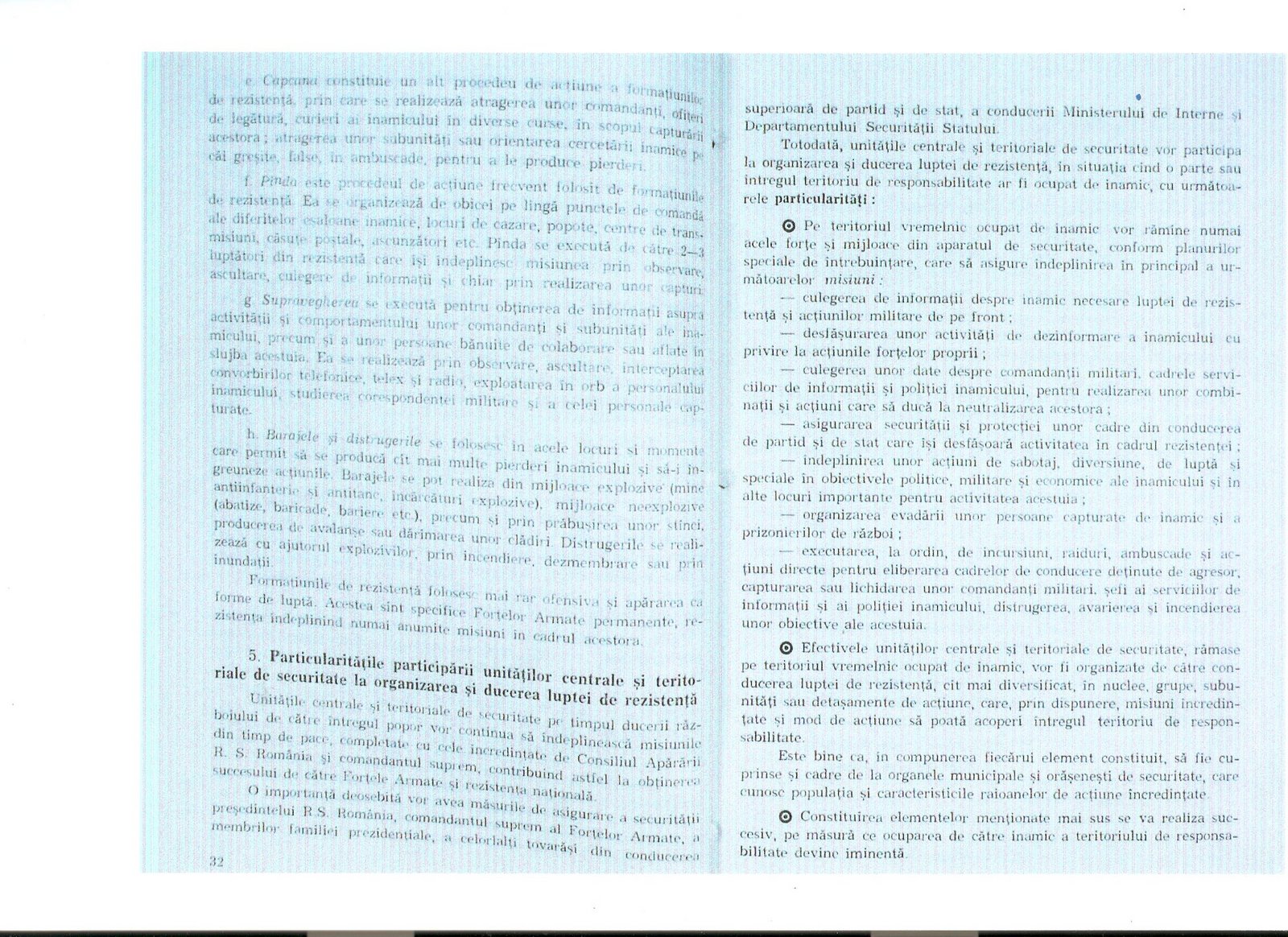
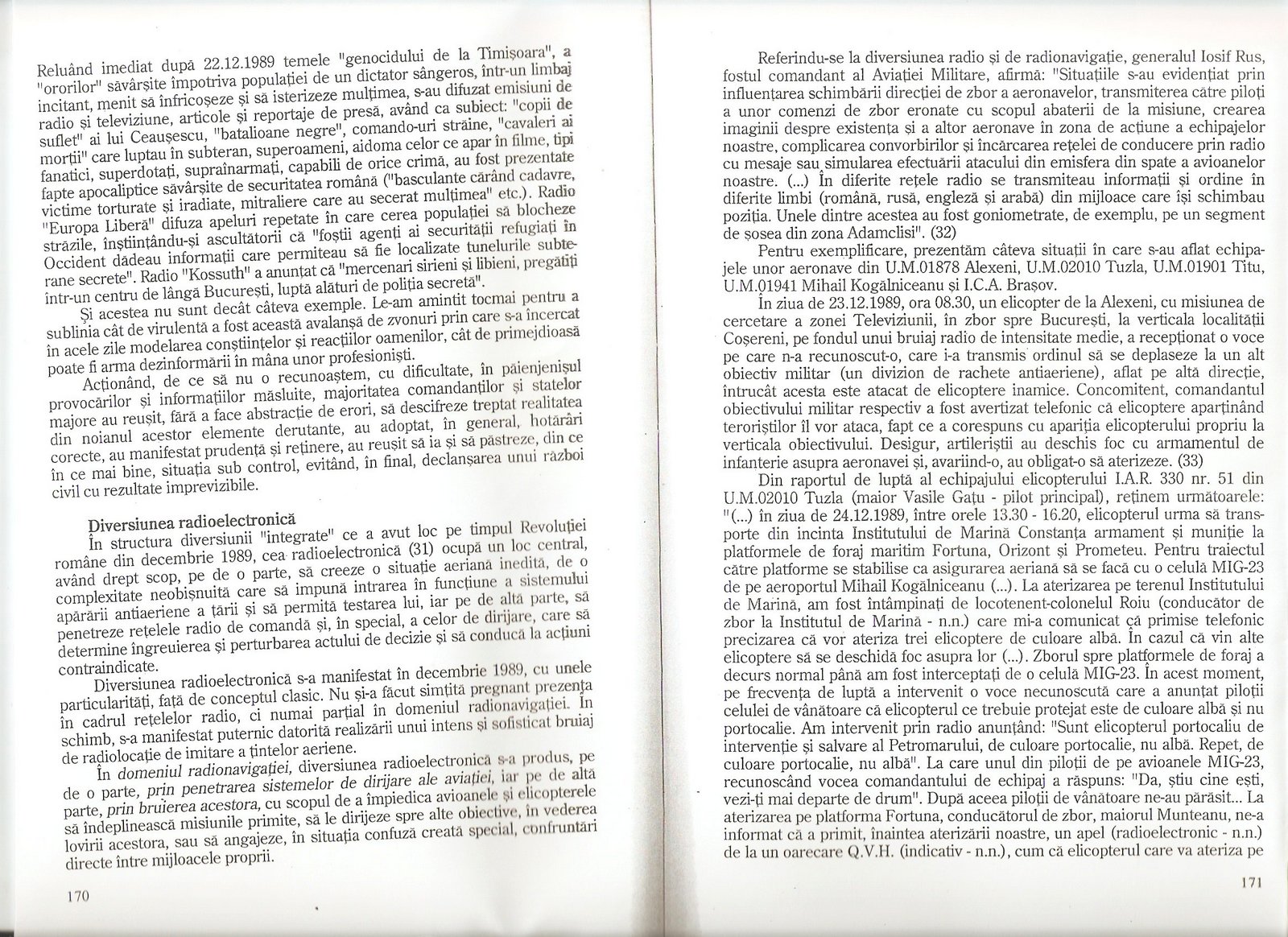
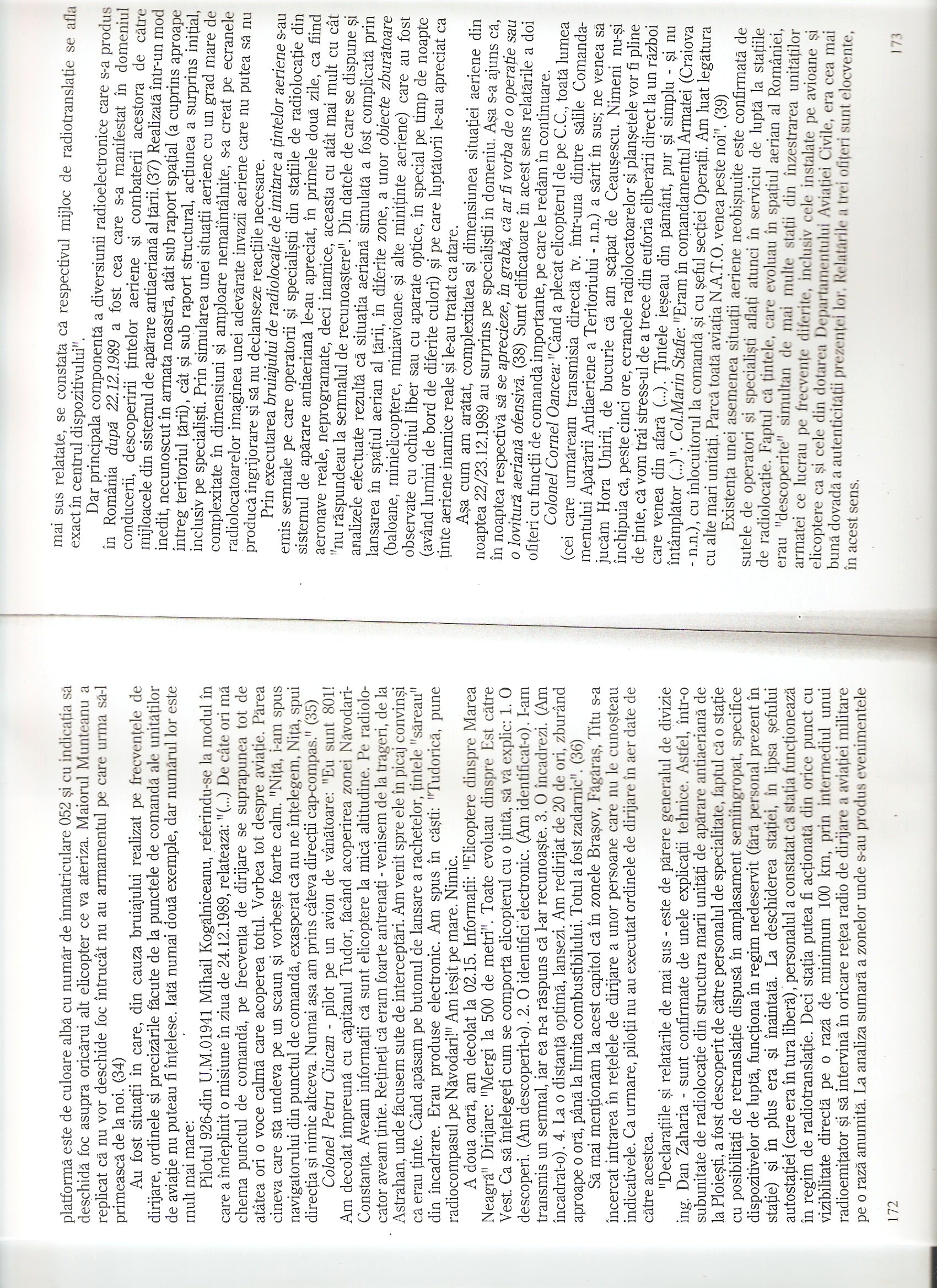
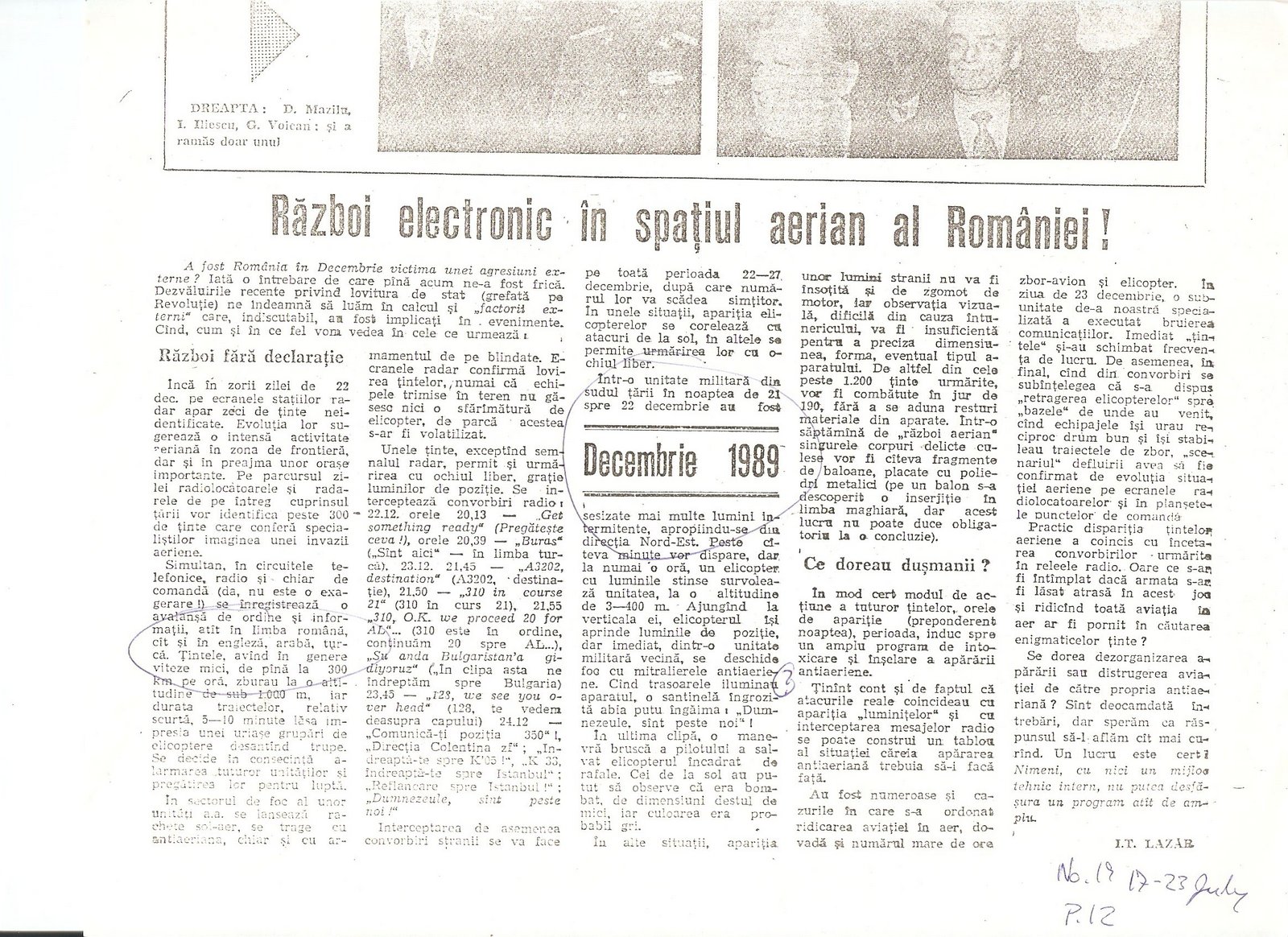

 Clip Ref: BSP271289002 0
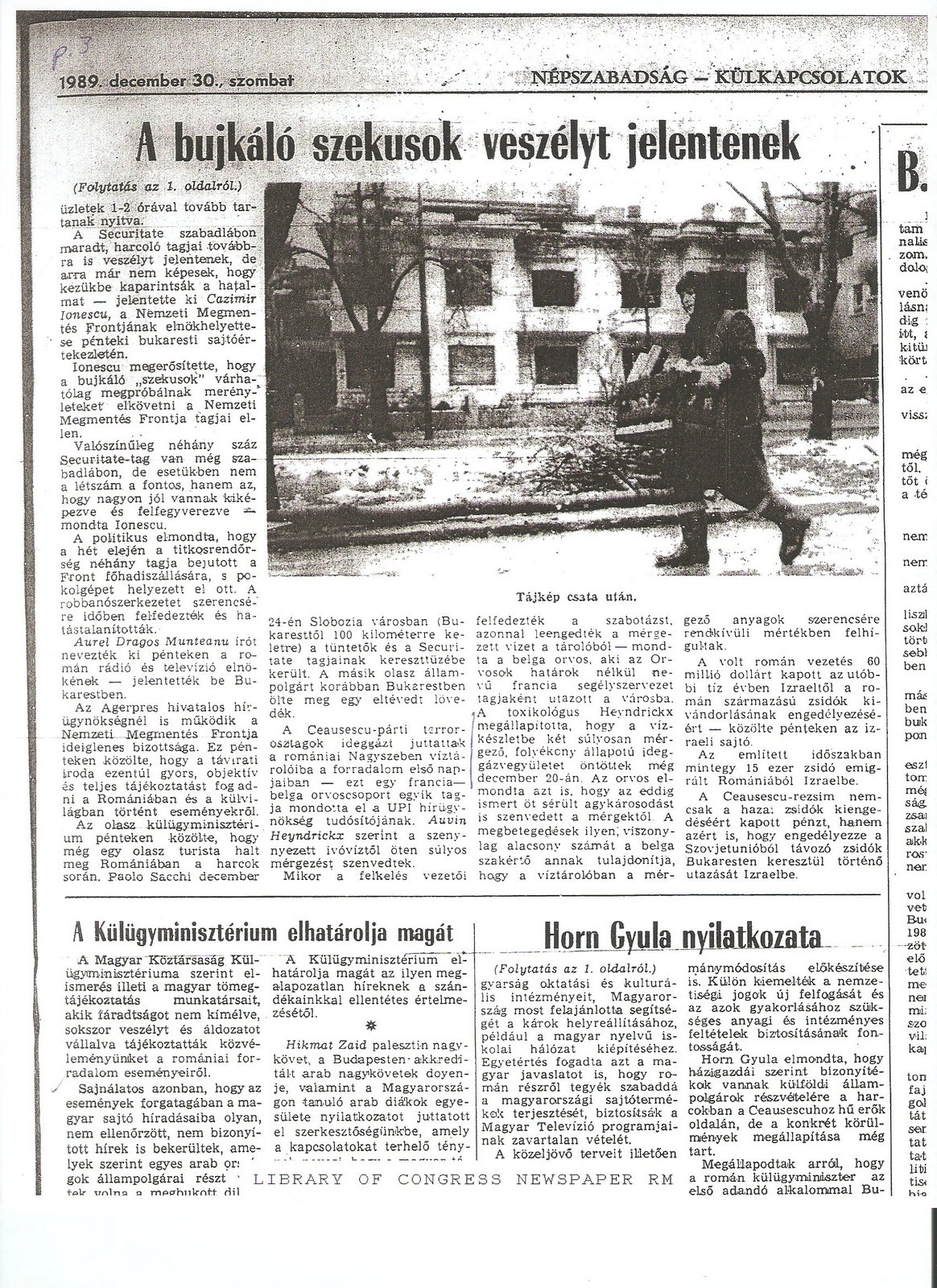


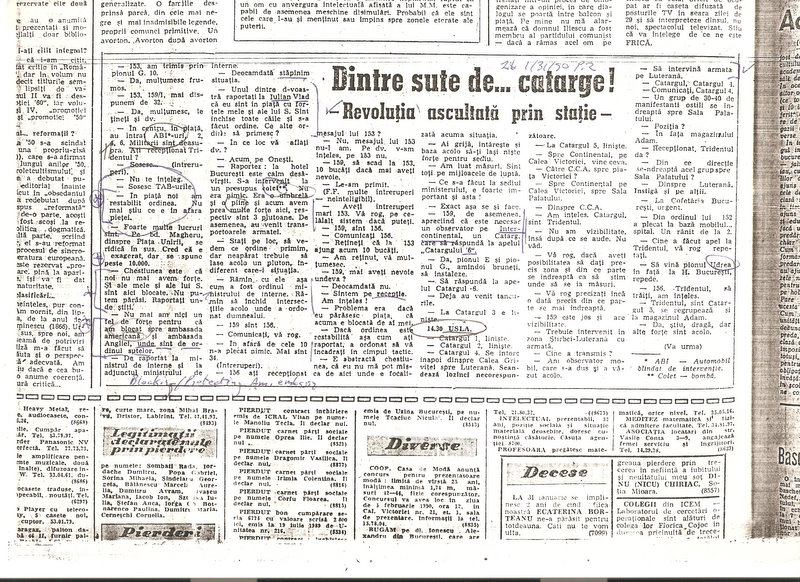


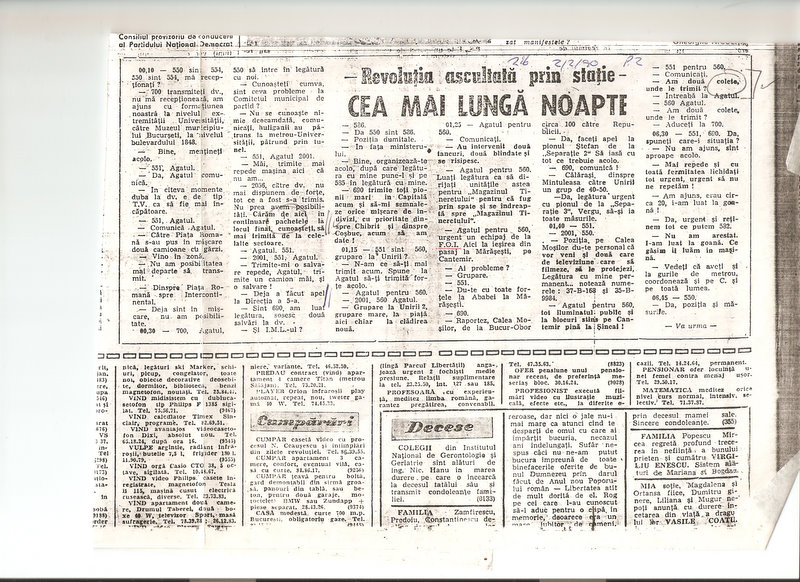
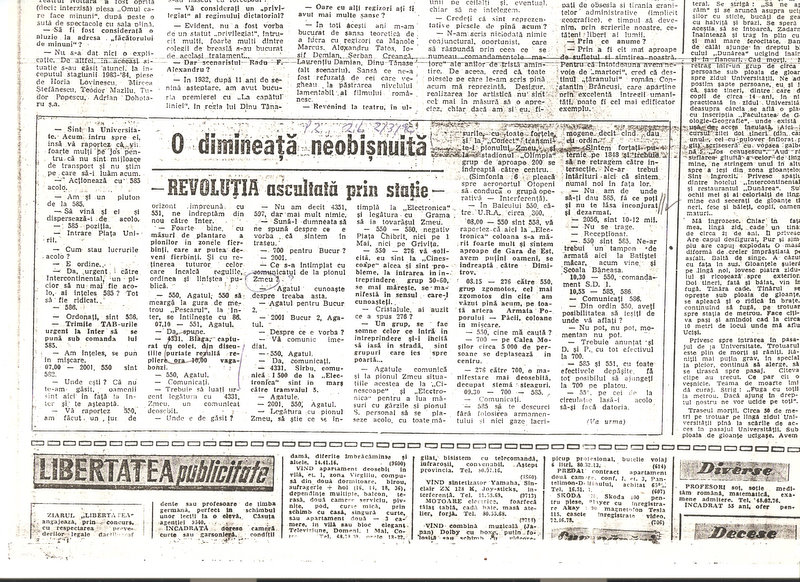
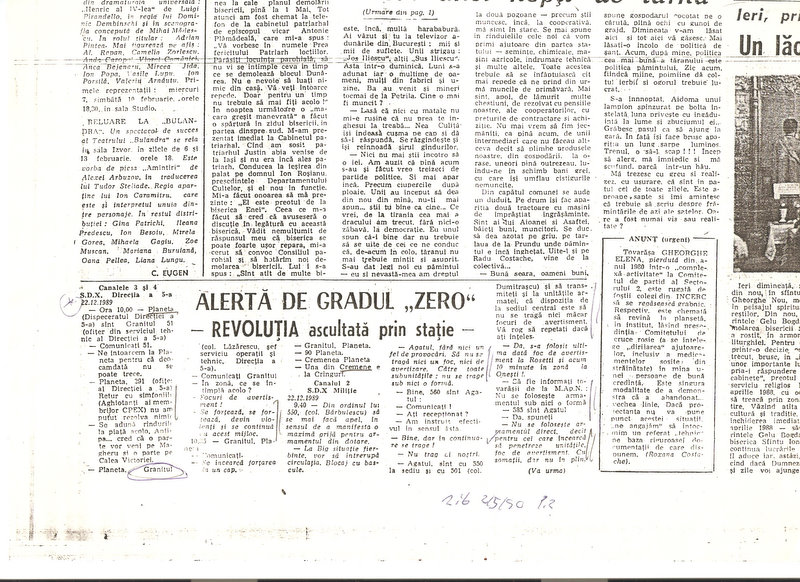
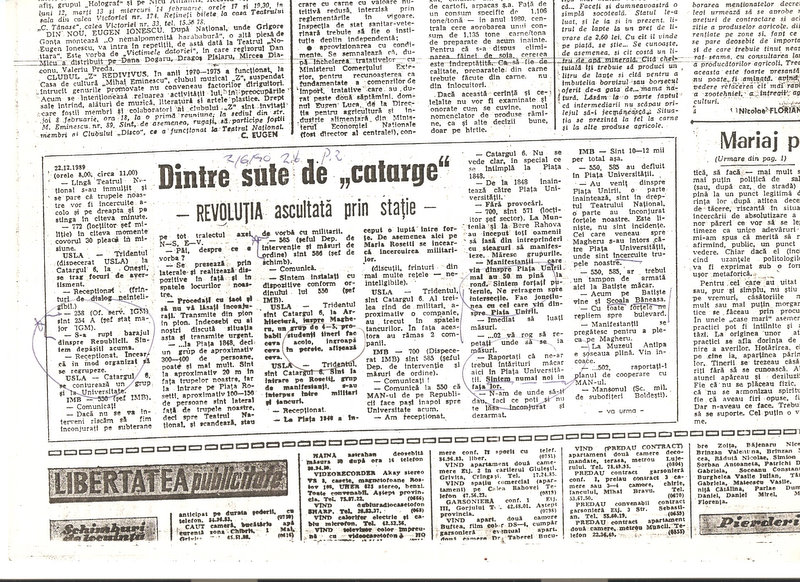
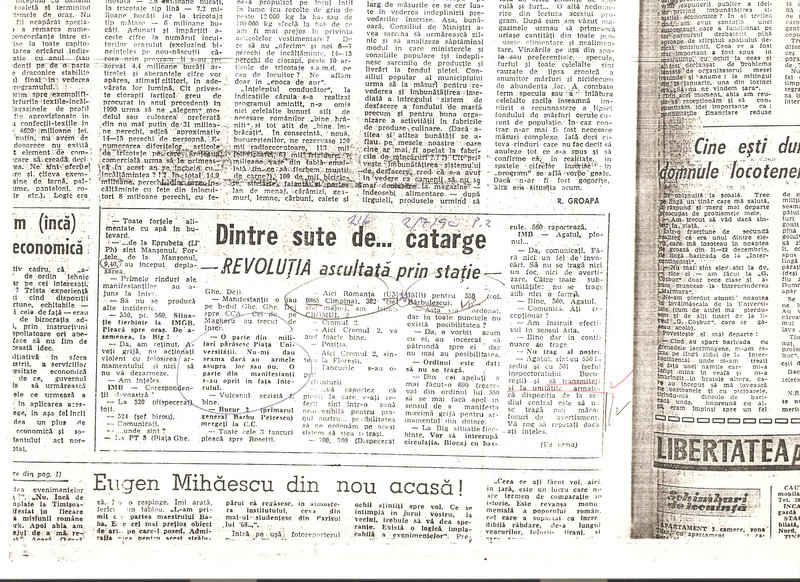
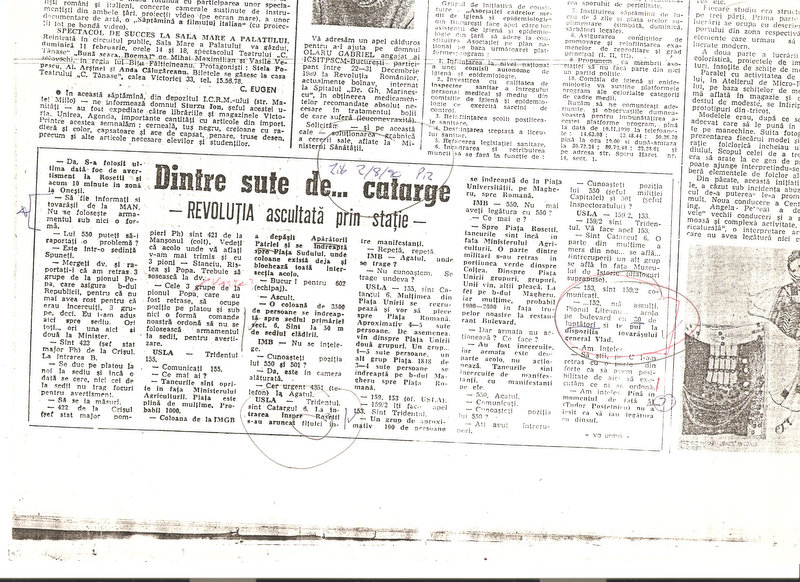
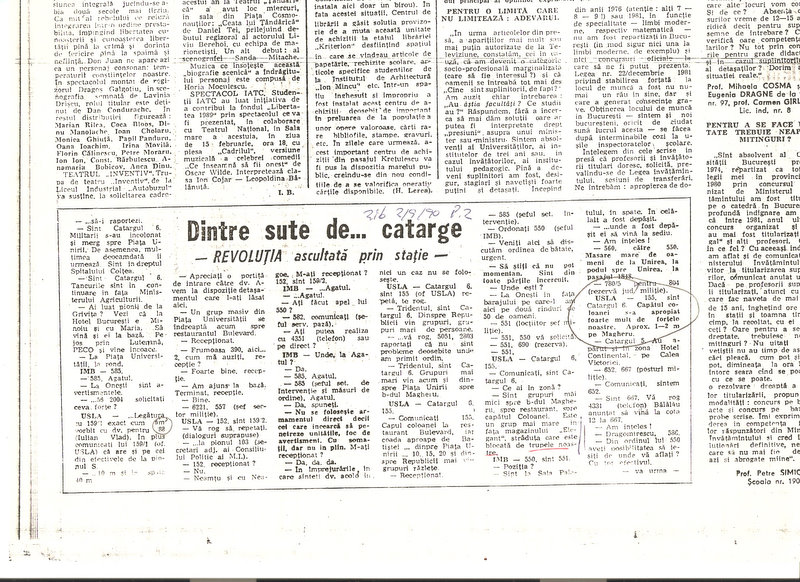
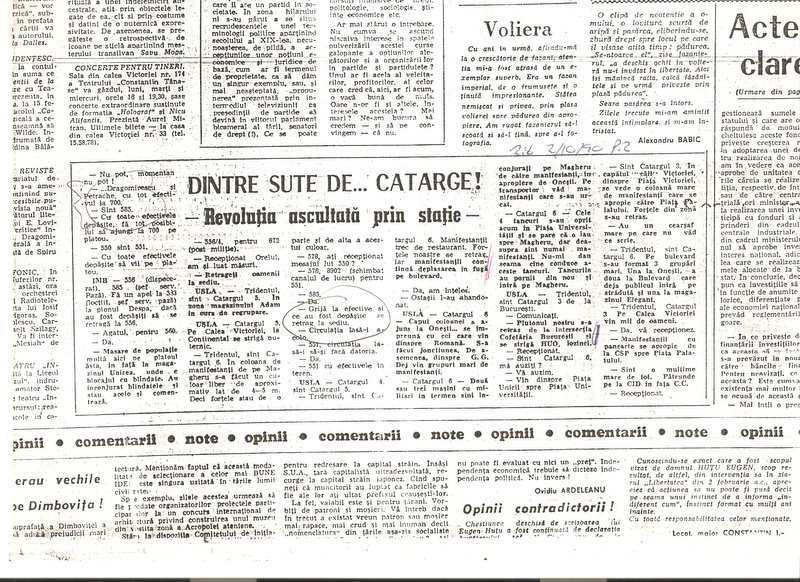
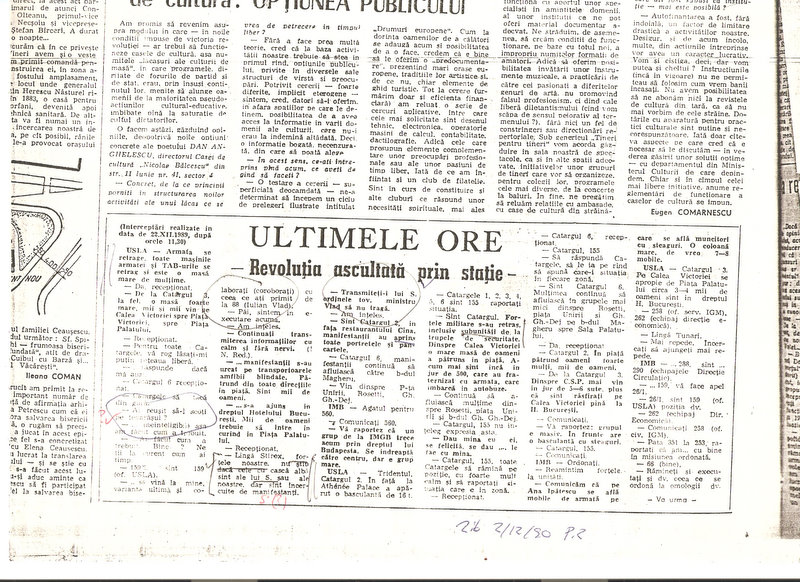
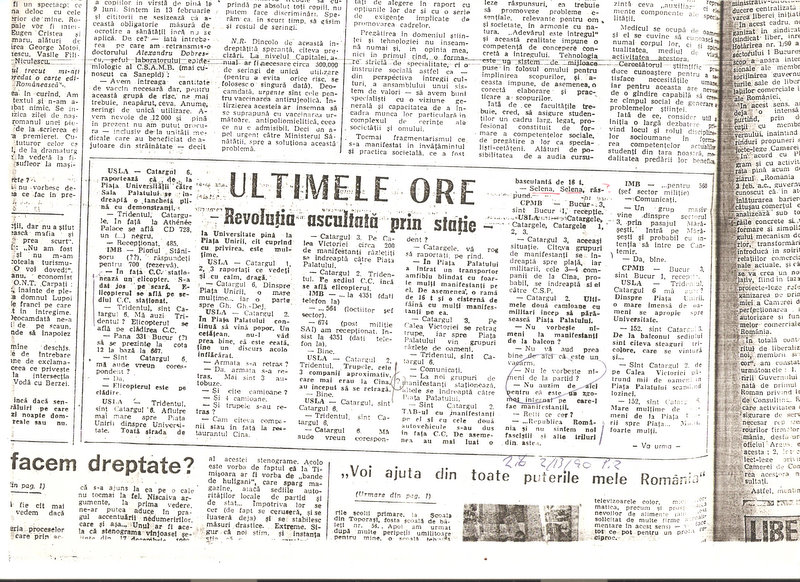
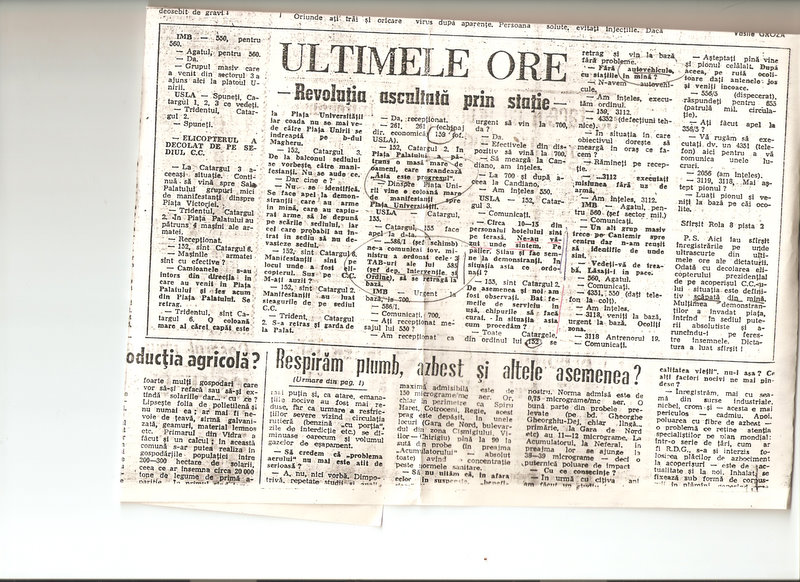


 0
0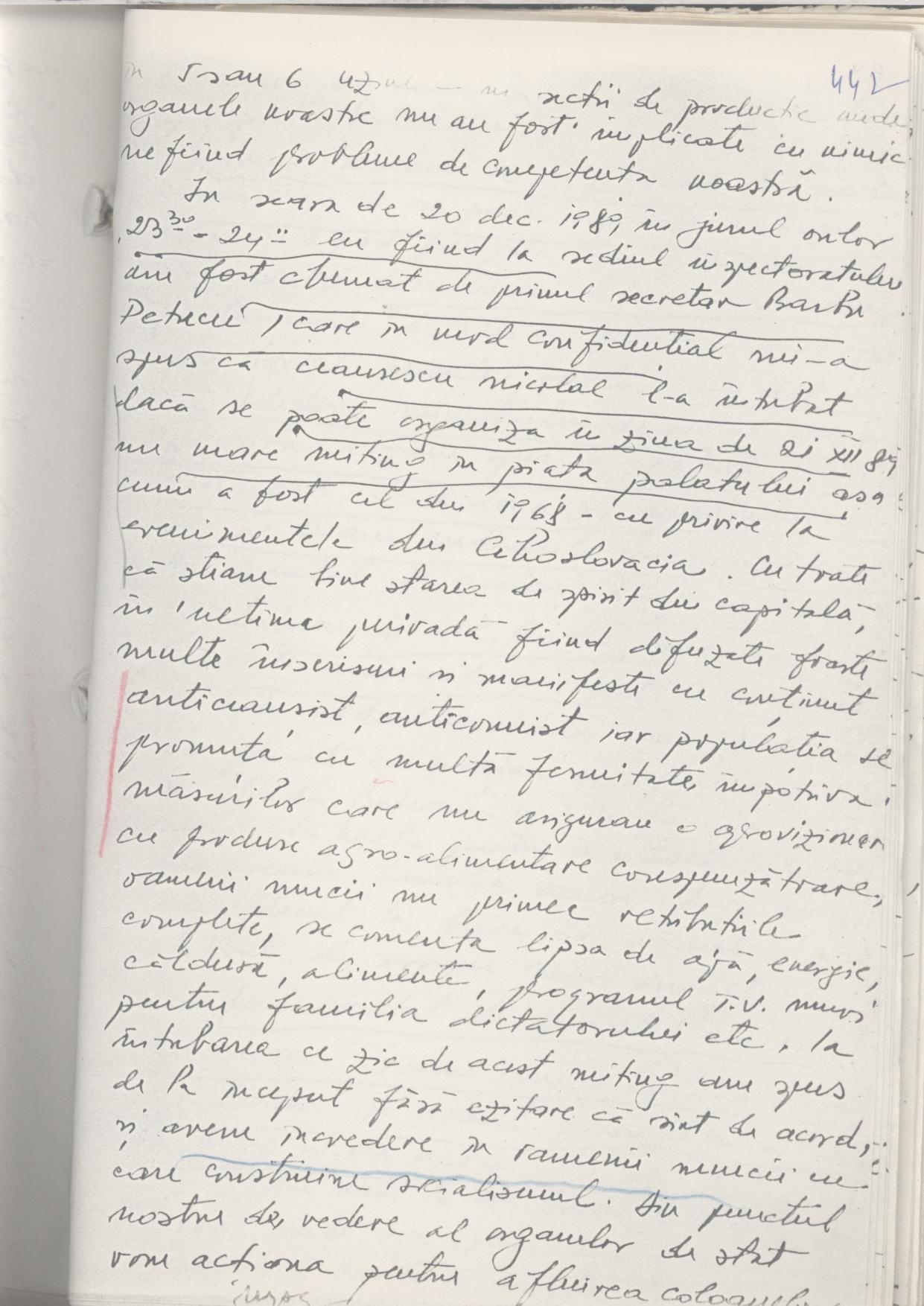
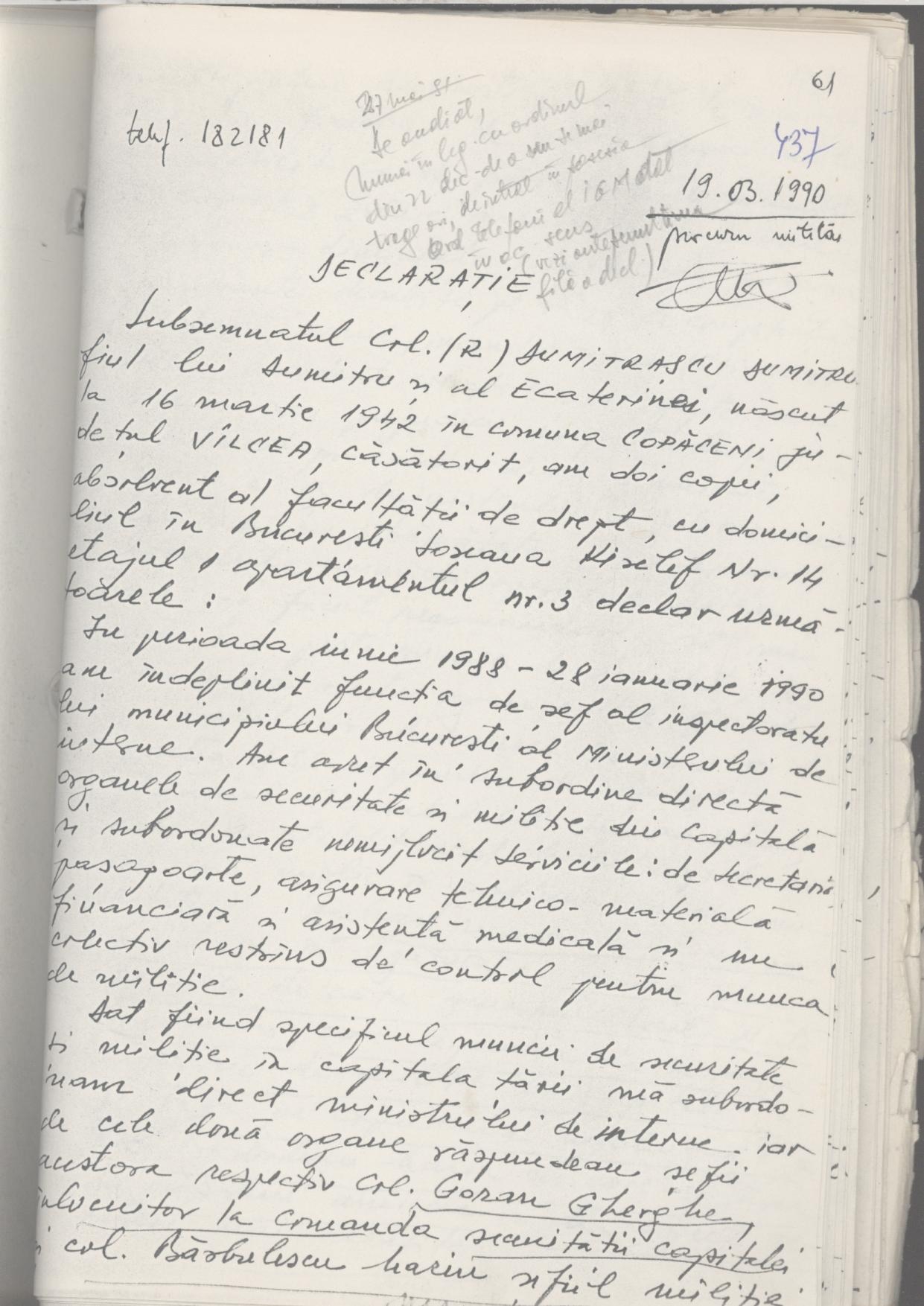
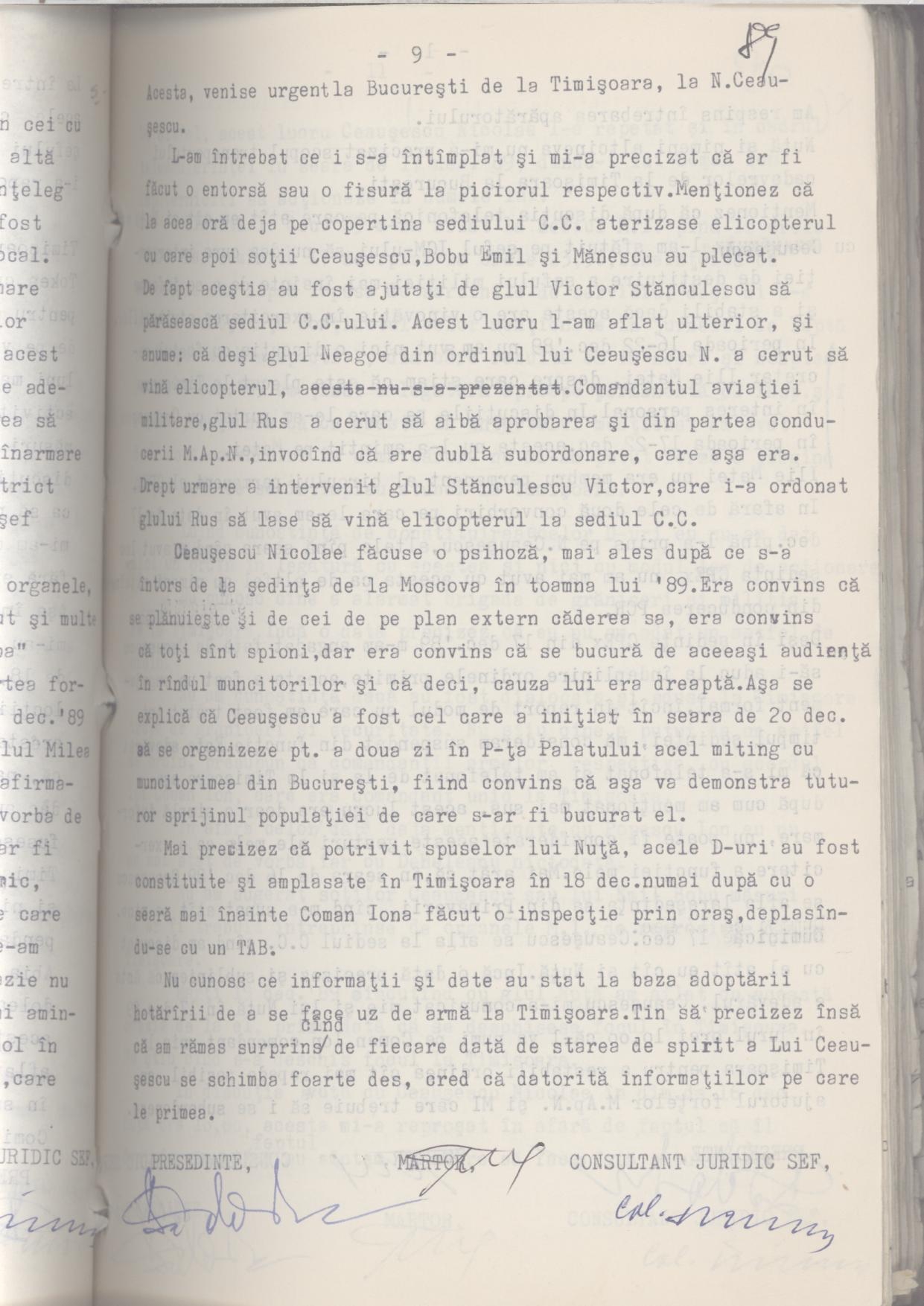
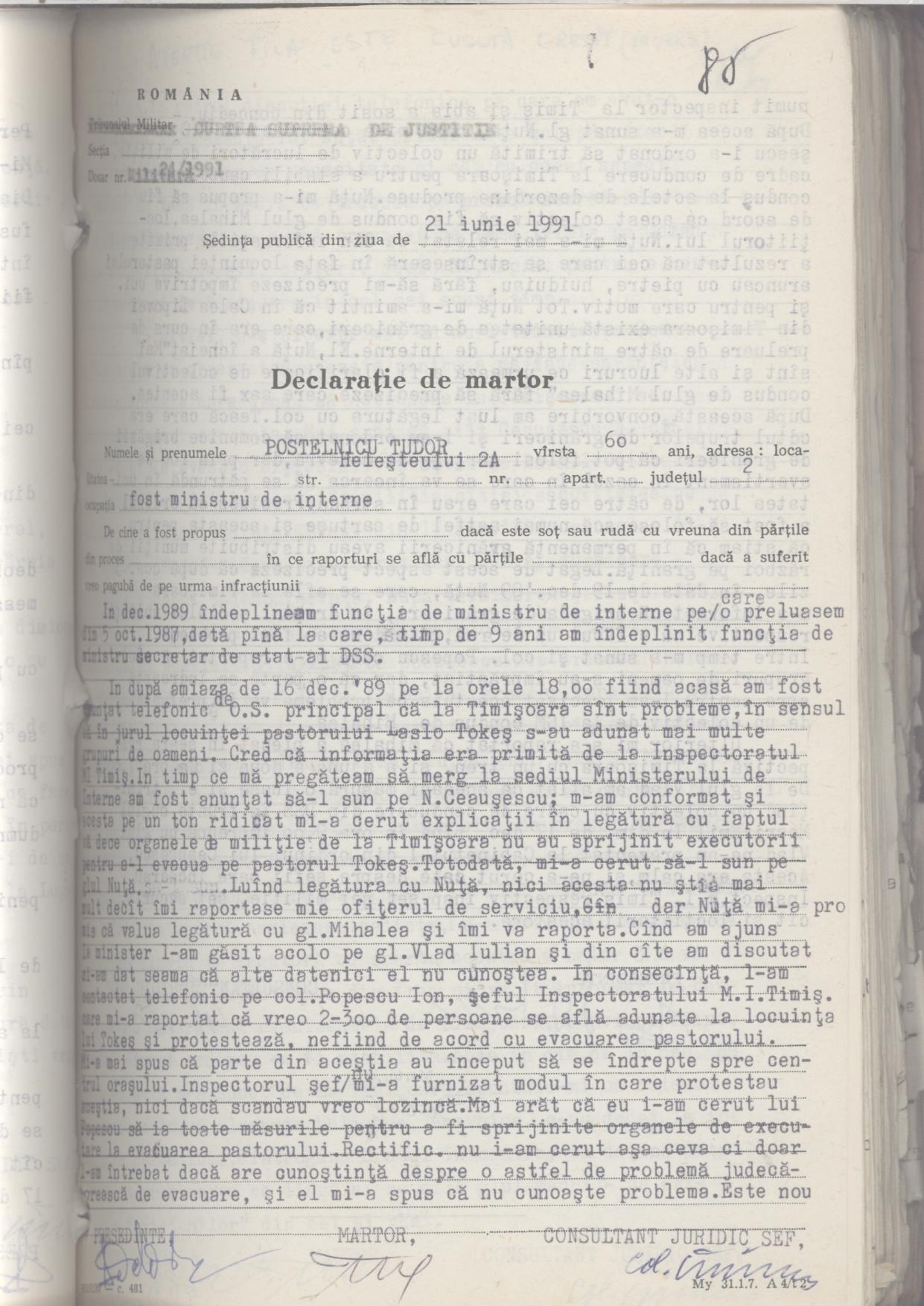
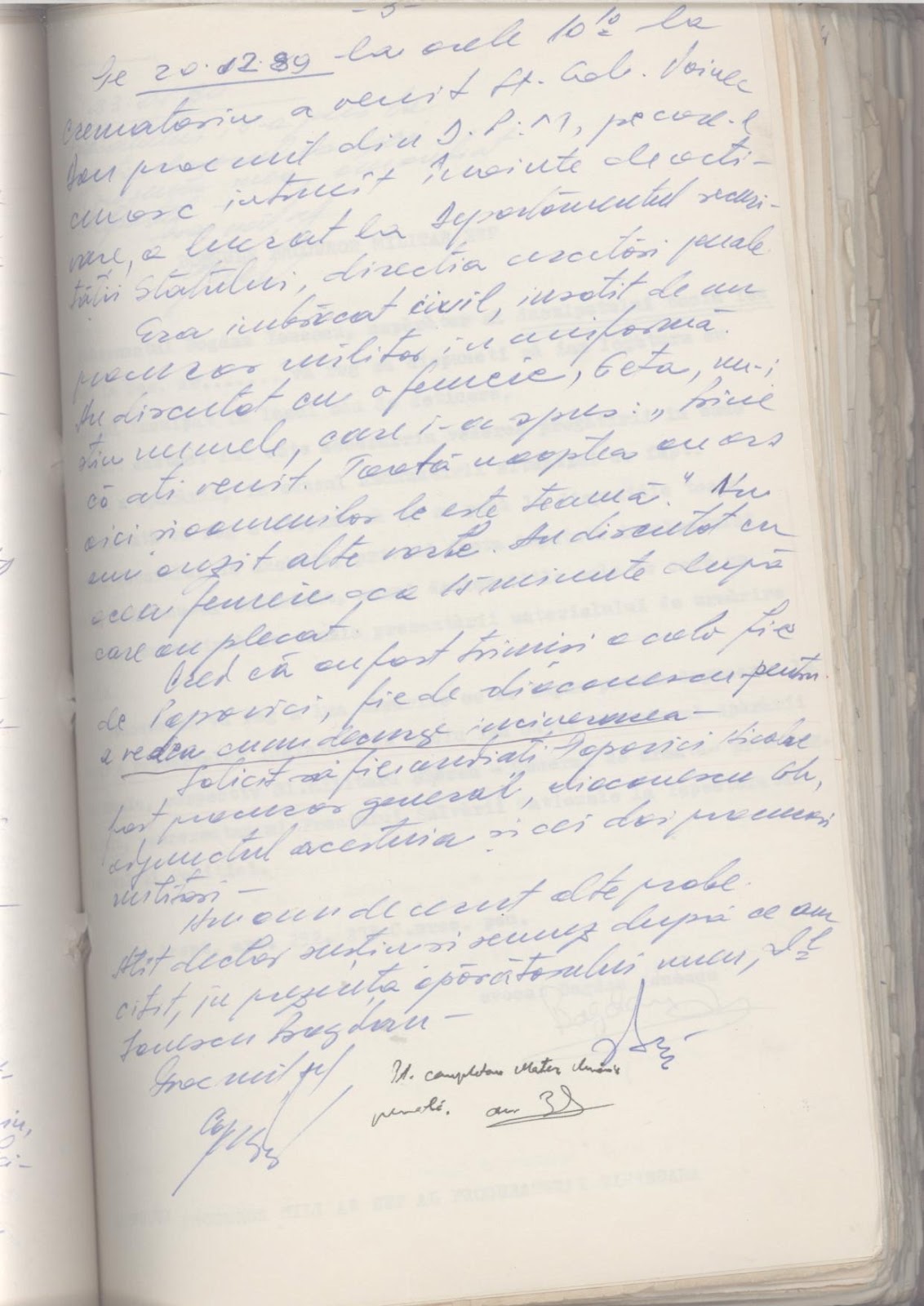


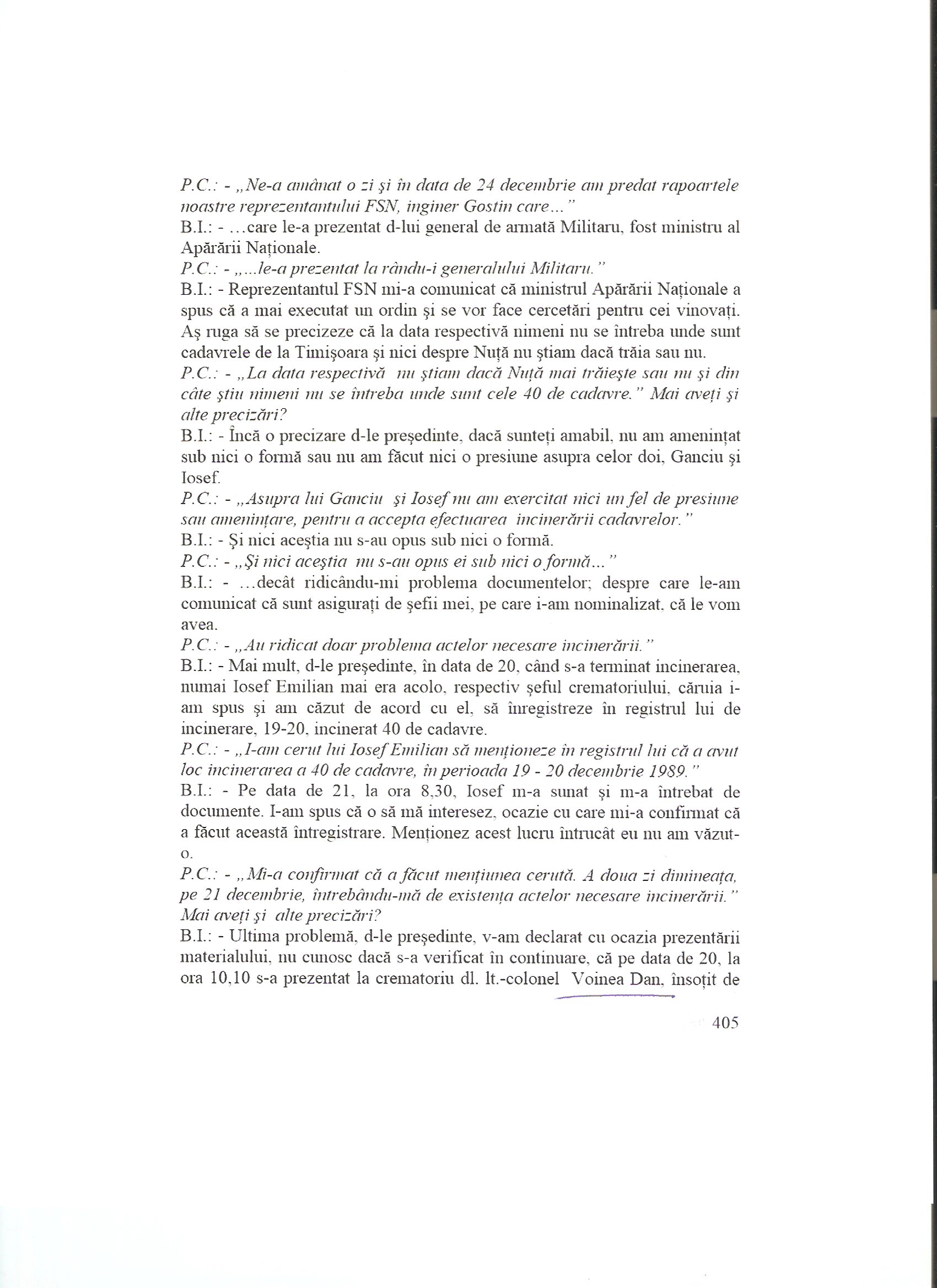

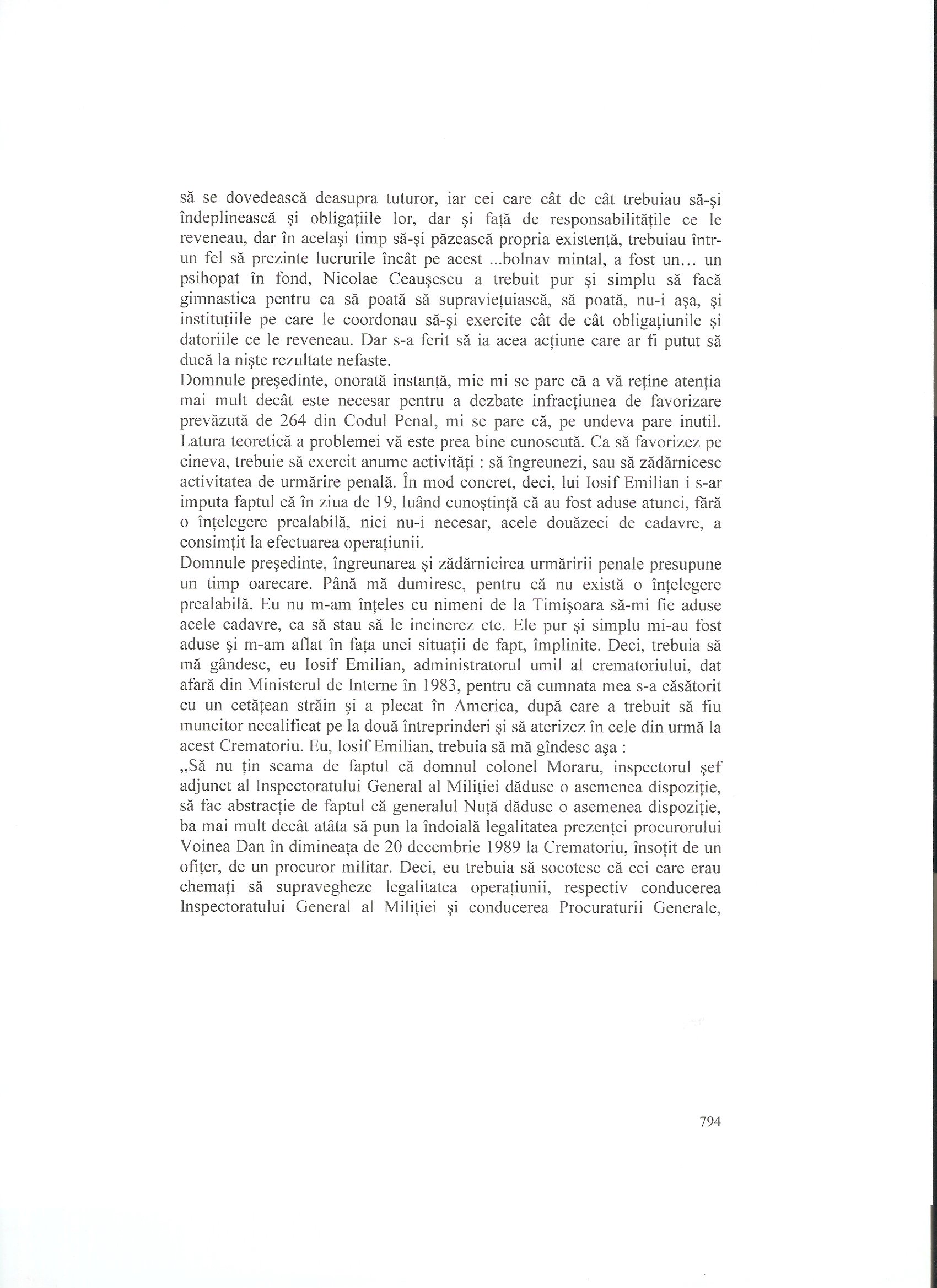
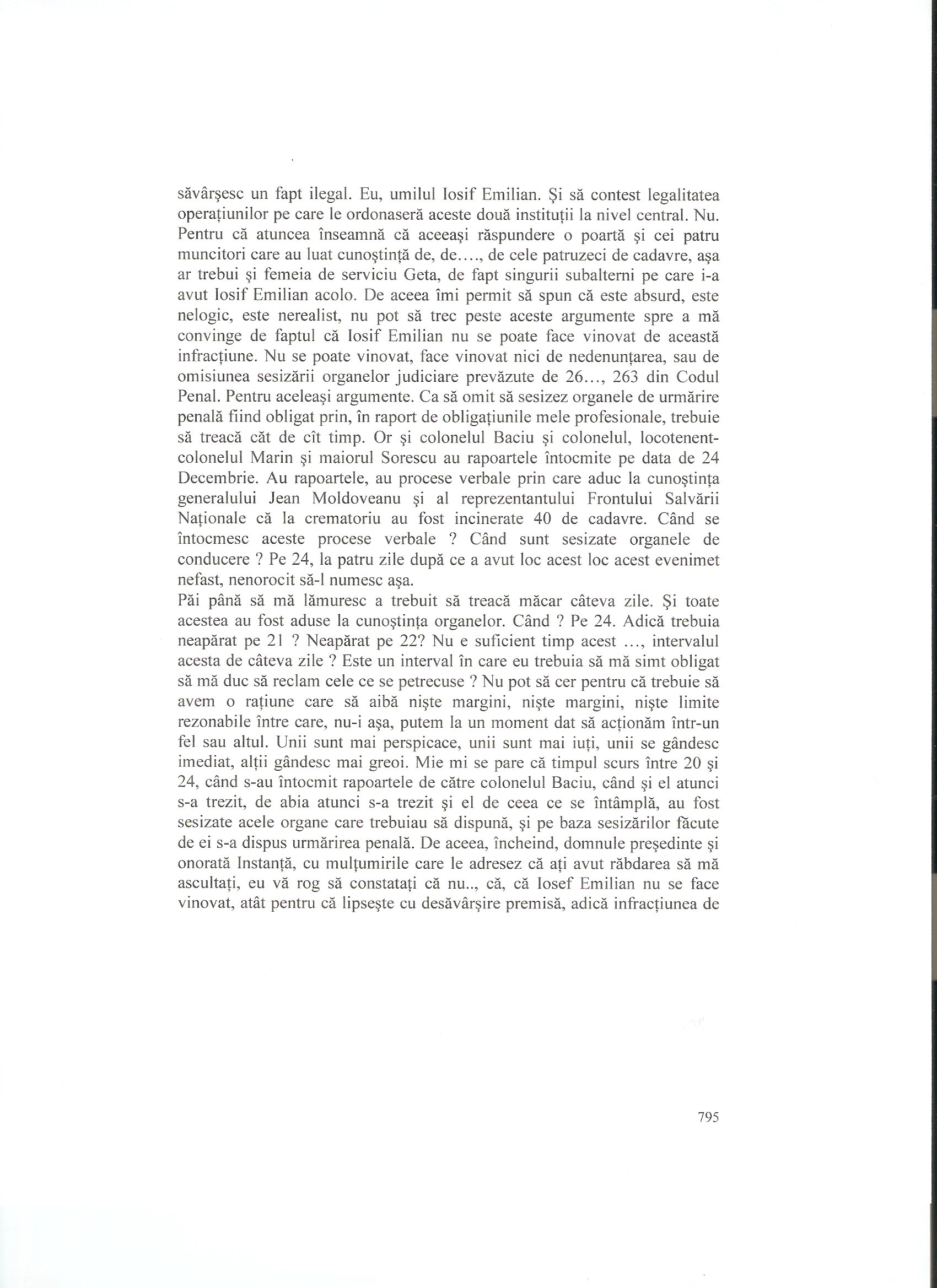
 The Archive of the Romanian Revolution of December 1989